Die Zauberflöte ─ The Queen of the Night

If you have a penchant for fairy tales like I do, you’ll find genuine delight in Mozart’s final opera, Die Zauberflöte. Centered around a quest for truth and knowledge (and a damsel in distress), the opera is as noble as its hero, Tamino. Between stipulated testing and bravery of self-determination, I willingly succumbed to the dashing chivalry of the prince on a mission to rescue the princess, Pamina.

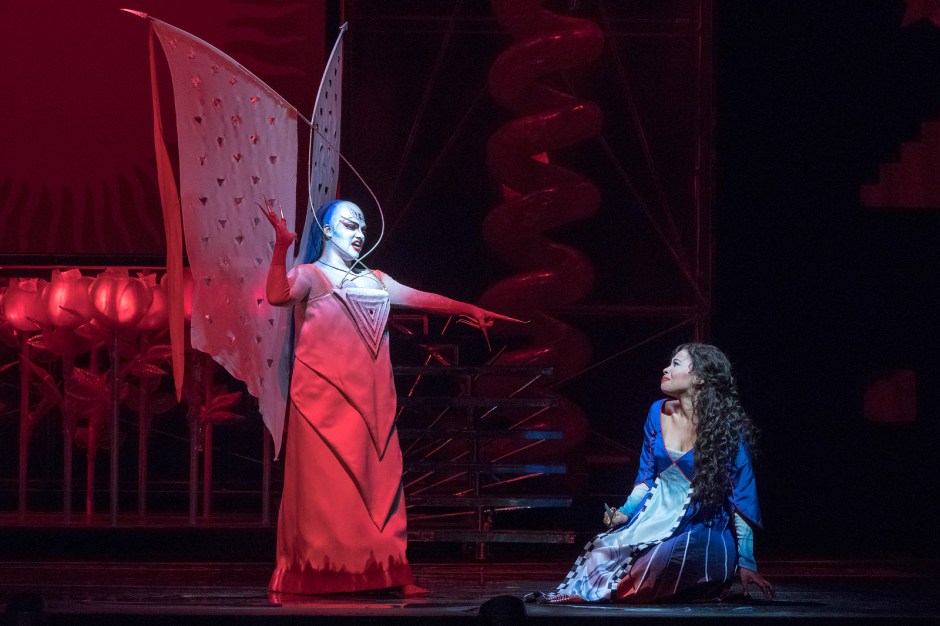
Charles Castronovo as Tamino and Golda Schultz as Pamina in Die Zauberflöte / Metropolitan Opera

If the pursuit of true love doesn’t tickle your fancy, the spectacular production by Julie Taymor (of “The Lion King” on Broadway fame) will surely elicit at least one or two gasps of wonder and amazement. The uniqueness of the costumes and puppetry fits seamlessly with the whimsical roots of the opera. There’s even creative comedy for those still unpersuaded.
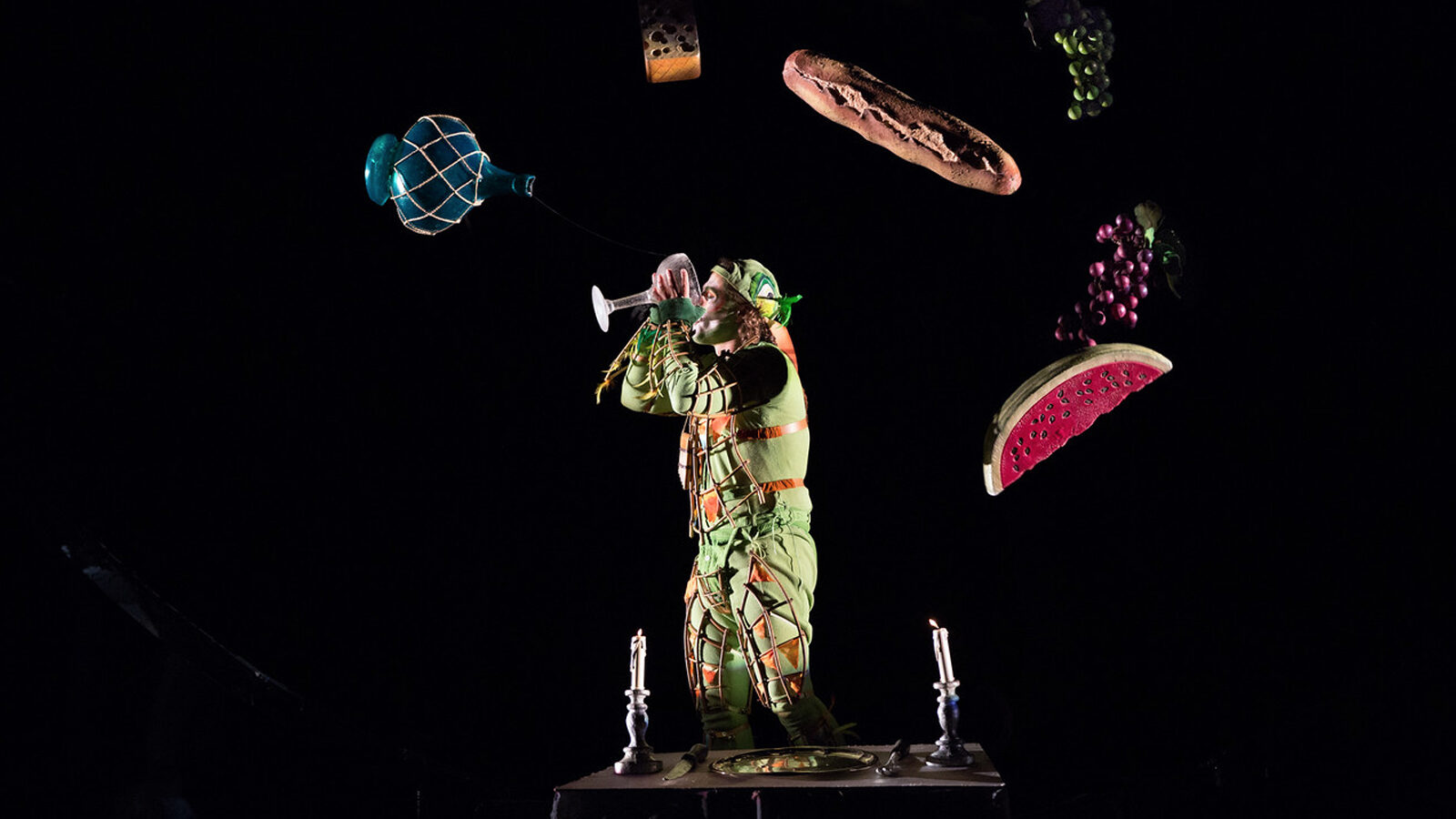
Marcus Werba as Papageno in Die Zauberflöte / Metropolitan Opera

Still not convinced ? Perhaps a fearsome villain is more appealing to you and luckily Die Zauberflöte showcases one of the most despised in the bewitching Queen of the Night. While the name sounds like a beacon among the stars and moon, the wicked queen is far from harmonious and caused me a slight shiver, partially due to the most unattractive styling of the character’s costume and make-up. If there was any doubt as to whether the Queen could make a face turn later in the opera, her appearance alone body slammed those speculations onto the floor.

Kathryn Lewek as the Queen of the Night in Die Zauberflöte / Metropolitan Opera

With the Queen of the Night singing the most famous aria in the opera (and I’m sure you’ve heard it, too), it was without question that I would disguise myself as this otherworldly being for my outing to the opera. While the Julie Taymor costumes are original and ostentatious, I didn’t necessarily feel they best embodied the title of “Queen of the Night” so I imagined my own vision of the character.
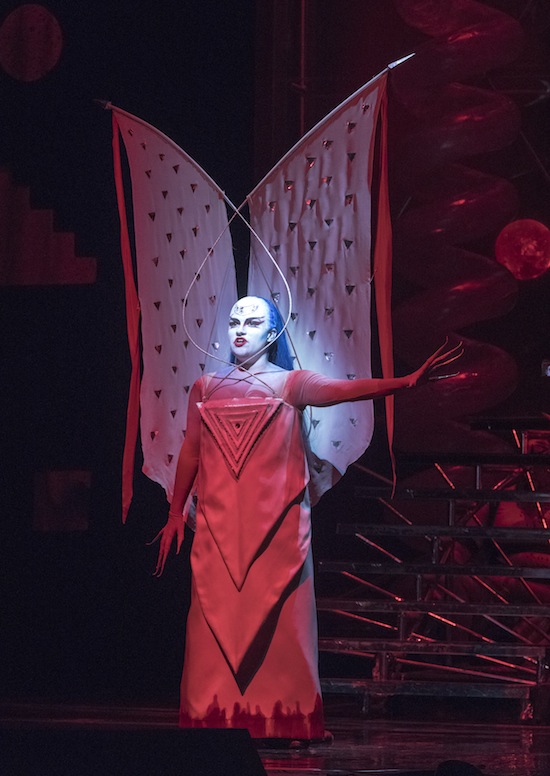
Kathryn Lewek as the Queen of the Night in Die Zauberflöte / Metropolitan Opera

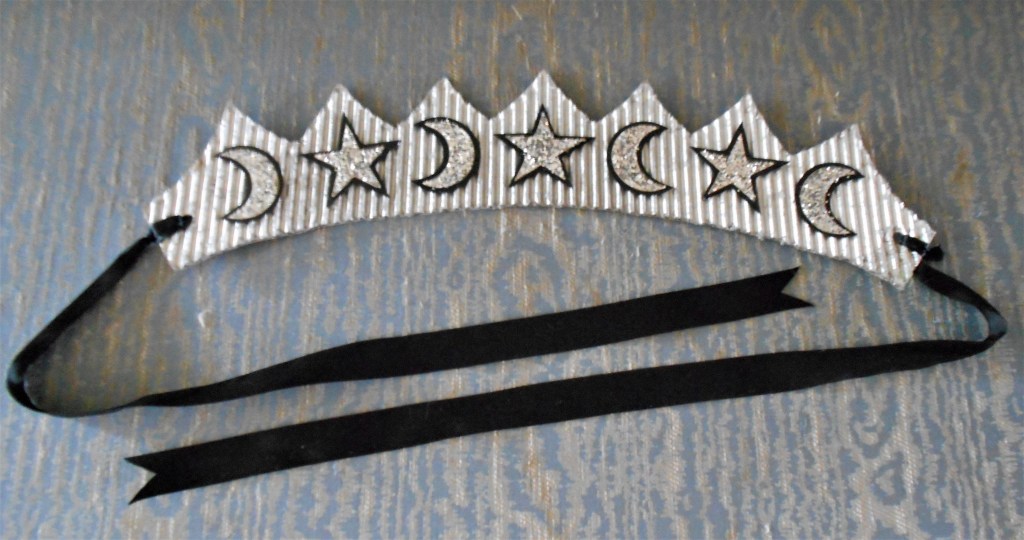
I had a long black velvet dress in my closet ─ that was a running start ─ and now I needed to accessorize the pitch black gown to fully realize its nocturnally regal potential. A queen needs a crown, right ? I thought so, too, and cut a pattern out of a corrugated cardboard box, spray painted it silver, and glued on separately cut star and moon shapes (spray painted and glittered) to the tiara. Silky black ribbons were used as the fastener. The Queen had her crown !
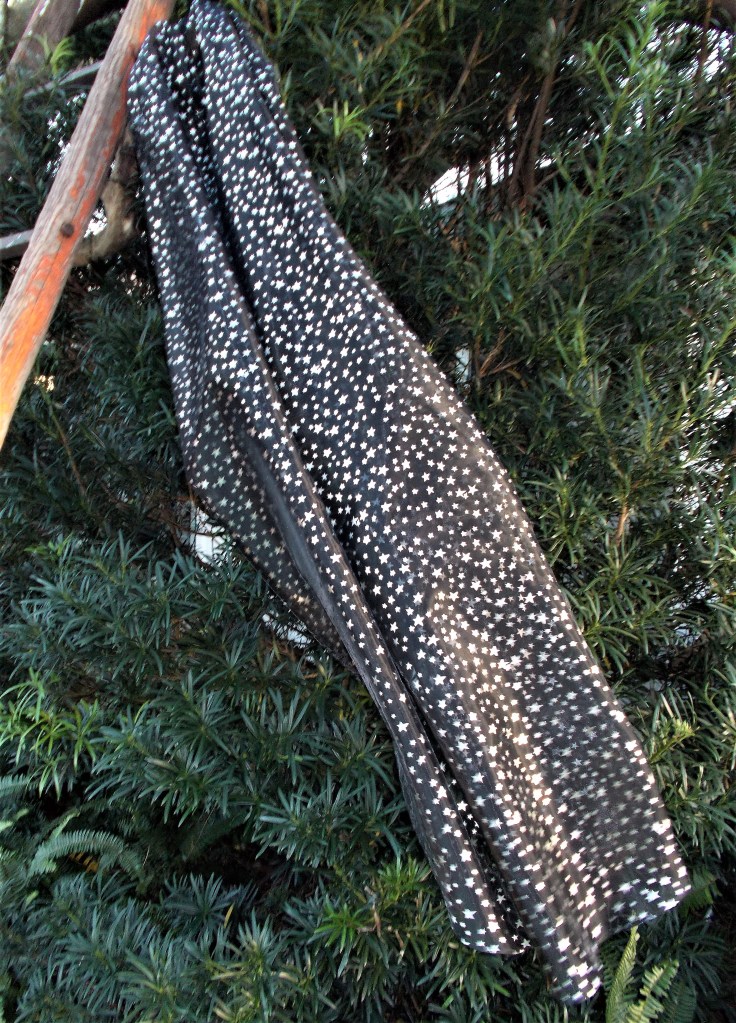
“But what else ?” I pondered. The idea of wearing various accessories whisked through my mind, but when I spotted a shimmery black organza printed with silver stars online, I knew I had found my answer. What could be more stunning than a floating veil of the night sky ? Using 2 yards of fabric, I gathered one widthwise edge and sewed it onto a hair comb. To the opposite widthwise edge, I drew arced lines creating a circular perimeter around what became the bottom of the veil. All raw edges and selvedges were finished and voilà ─ a veil ! Just look at how it sparkles in the evening breeze…
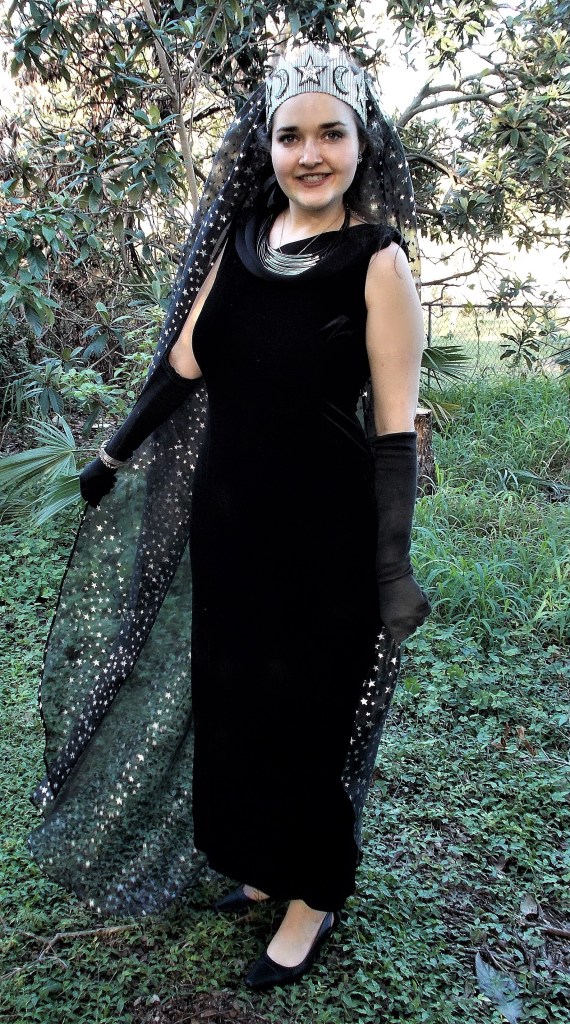
With all the articles combined together (including my long black gloves and jewelry), the outfit’s celestial beauty belied the cruelty of the Queen.
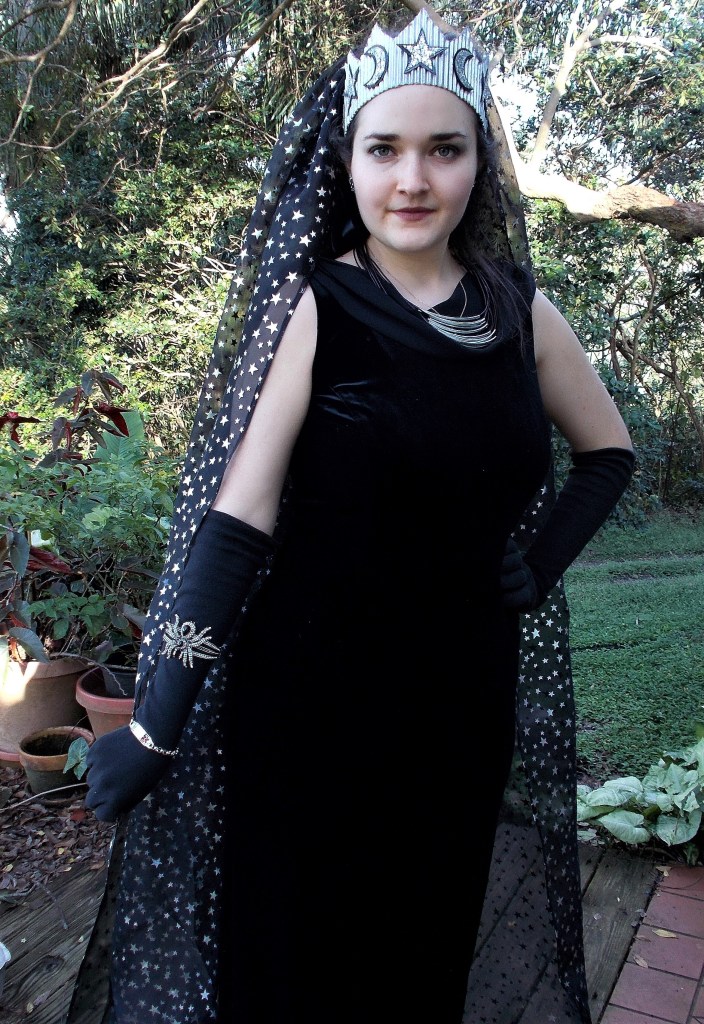
Psst ! This outfit also became my Halloween costume for the year. My bedazzled spider bracelet simply begged to be taken trick-or-treating…
As charming as the starry night, Die Zauberflöte goes down as my favorite Mozart opera. The music dazzles and the story is uplifting. But I’m a sucker for fairy tales, after all…

Toi, Toi, Toi,

Mary Martha

Cast and Credits:

Die Zauberflöte ─ Wolfgang Amadeus Mozart (1791)
Live in HD air date: October 14, 2017

Cast:
Pamina ─ Golda Schultz
Tamino ─ Charles Castronovo
Papageno ─ Marcus Werba
Queen of the Night ─ Kathryn Lewek
Sarastro ─ René Pape
Speaker ─ Christian Van Horn

Credits:
Conductor ─ James Levine
Production ─ Julie Taymor
Set Designer ─ George Tsypin
Costume Designer ─ Julie Taymor
Lighting Designer ─ Donald Holder
Puppet Designers ─ Julie Taymor, Michael Curry
Choreographer ─ Mark Dendy
Live in HD Director ─ Gary Halvorson
Host ─ Nadine Sierra
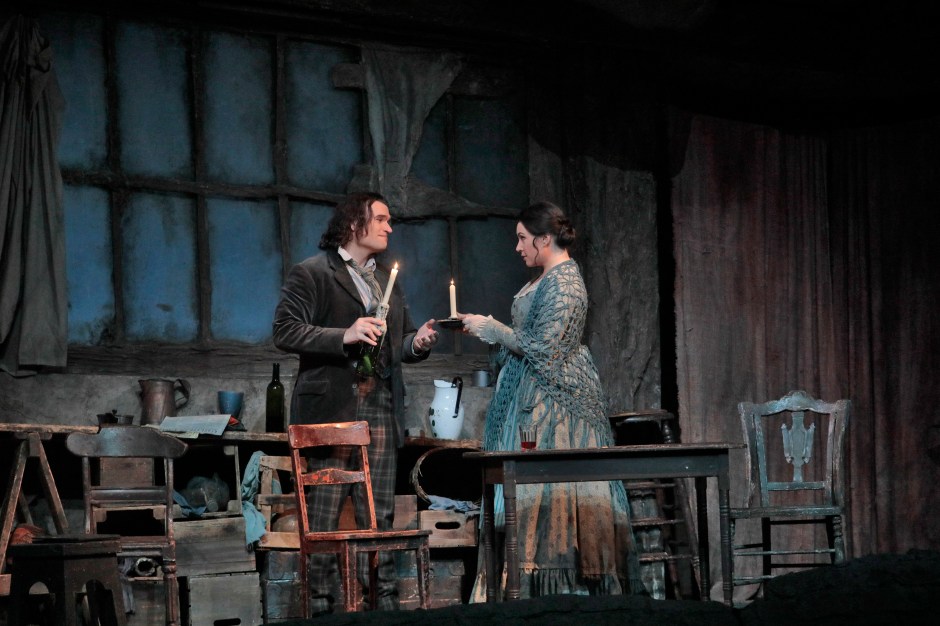
La Bohème ─ Mimì

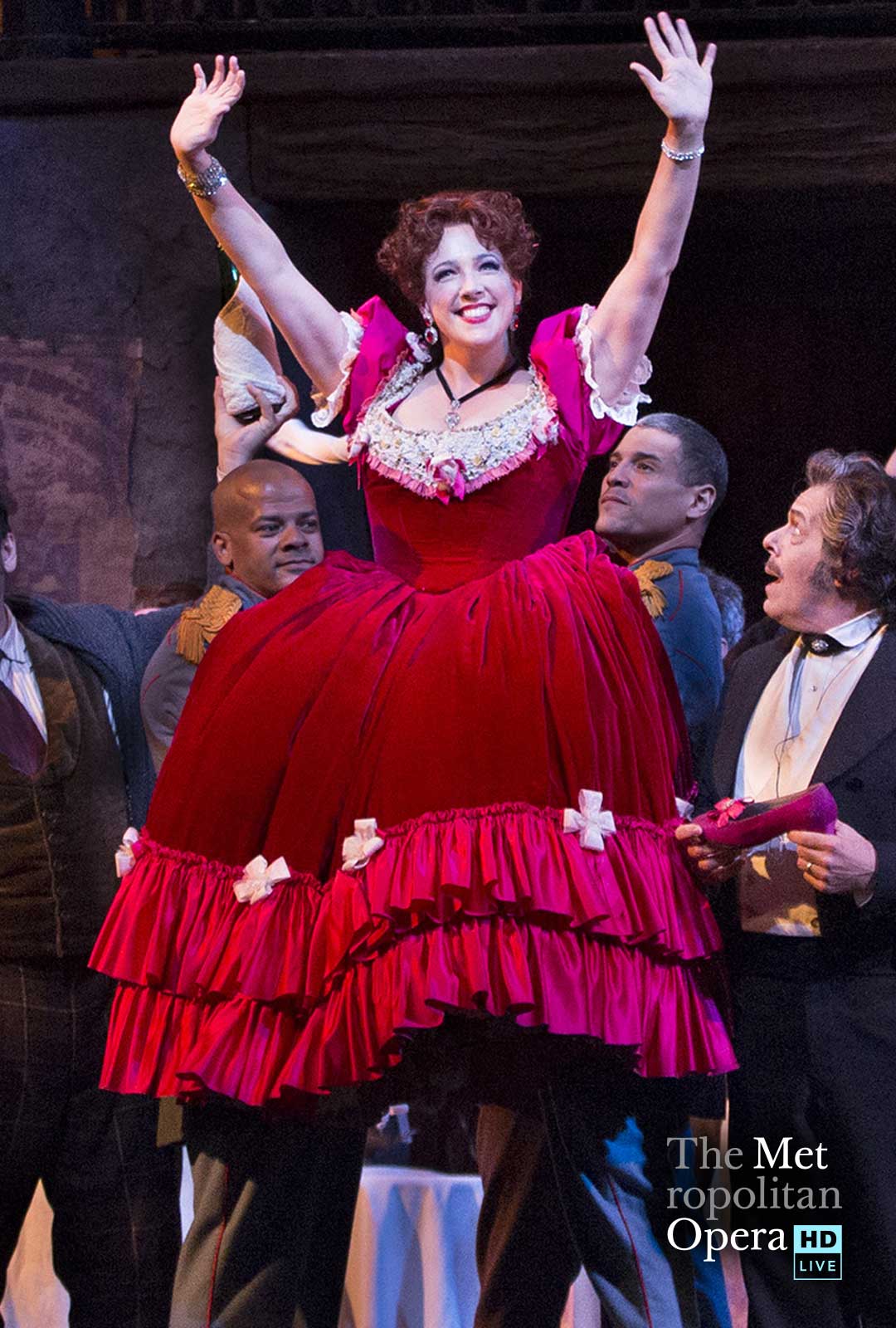
My pastor once referred to the plot of La Bohème as “the hippies in Paris.” And after catching a past Met performance of La Bohème on TV one evening, I had to agree. Rebellion against authority, communal living, and starving artists flood the stage with the modes of their free-spirit culture. While one of the most popular operatic works, which has influenced a host of artistic projects outside of opera houses (i.e Rent), I was not initially won over by the loose morals of “The Bohemians”. However, my indifferent attitude did not prevent me from taking the trip to the theater when a fresh cast mounted the open garret of Franco Zeffirelli’s iconic 1981 production. “I’ll give it another chance…” I reasoned.
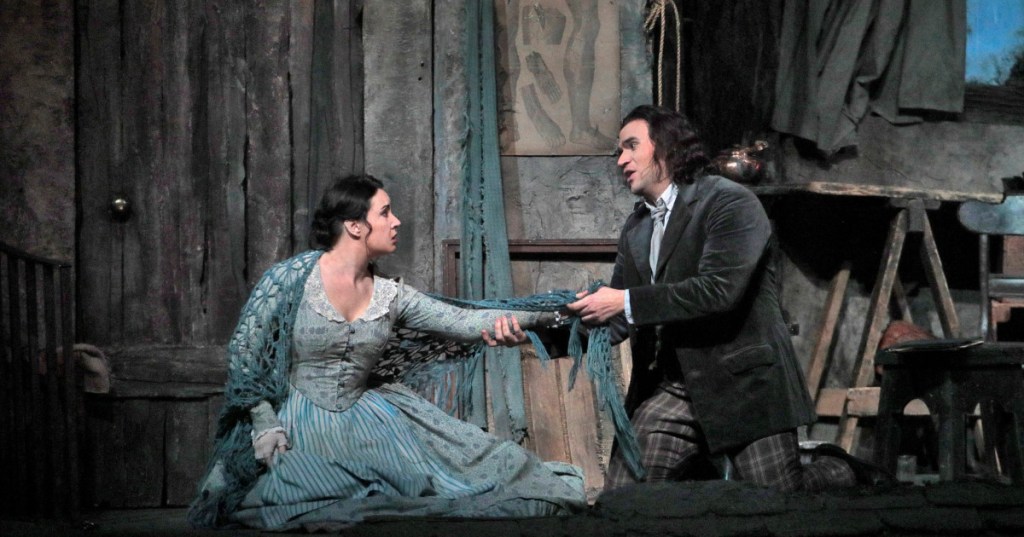
Matthew Rose as Colline, Michael Fabiano as Rodolfo, Alexey Lavrov as Schaunard, and Lucas Meacham as Marcello in La Bohème / Metropolitan Opera
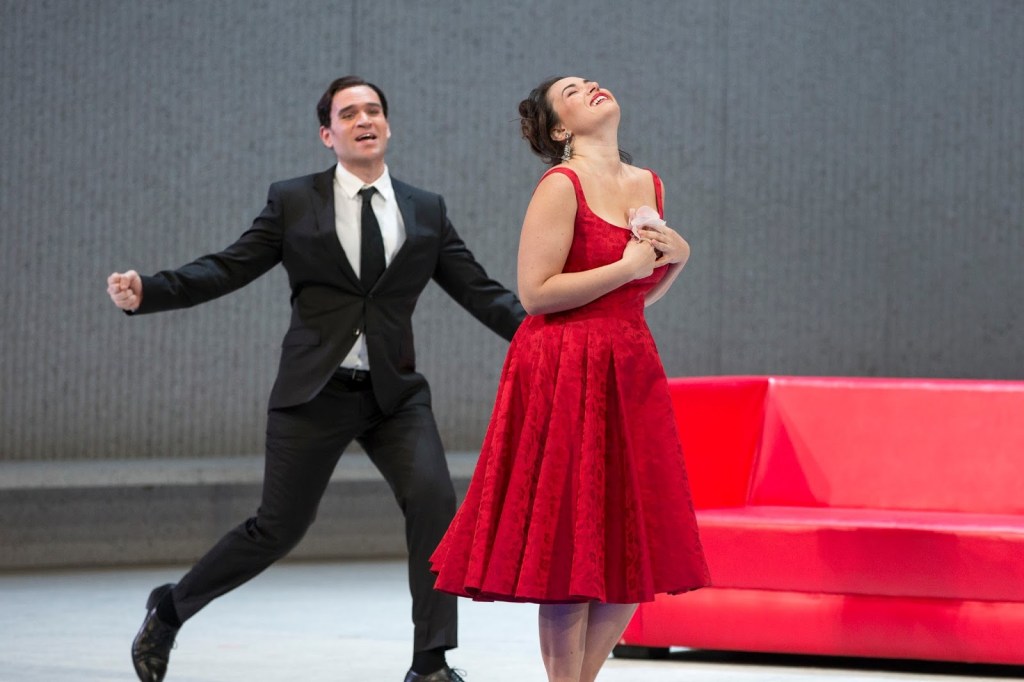
The pairing of Sonya Yoncheva and Michael Fabiano felt like an old photograph stuffed into an album presently displaced. They looked familiar, but where had I seen them…? Oh, yes─ in La Traviata just a year earlier. However, their wigs and wardrobes had changed drastically from the days of suits and satin sundresses.
Did my second viewing of La Bohème transform my opinion of Puccini’s lovable opera ? Not particularly. While anticipating my favorite melodies (I judge a soprano by the number of goosebumps on my body when listening to “Sì. Mi chiamano Mimì”) was an entertaining highlight, I still wasn’t as emotionally moved by the plot as I had hoped. Perhaps the third time will be the charm…

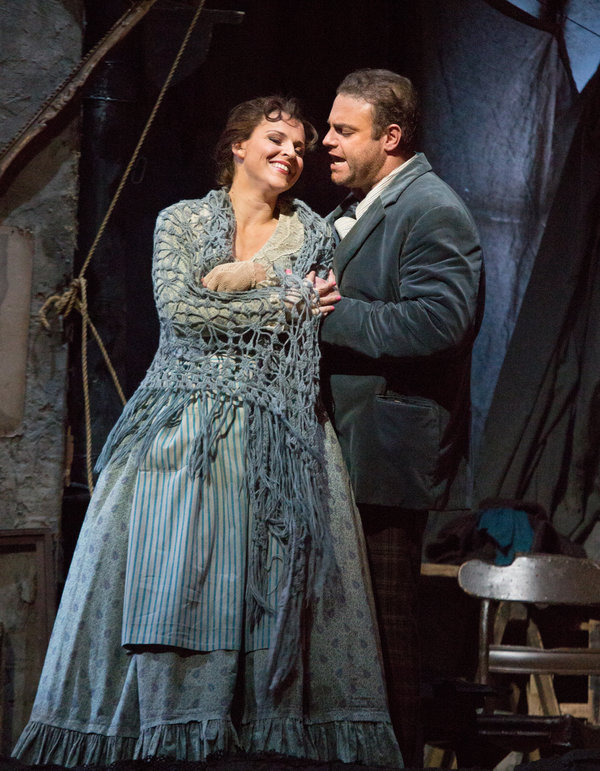
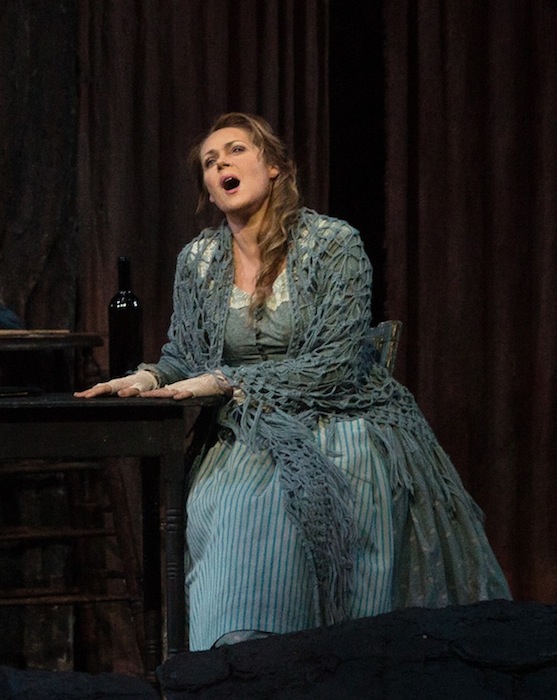
A scene from La Bohème / Metropolitan Opera

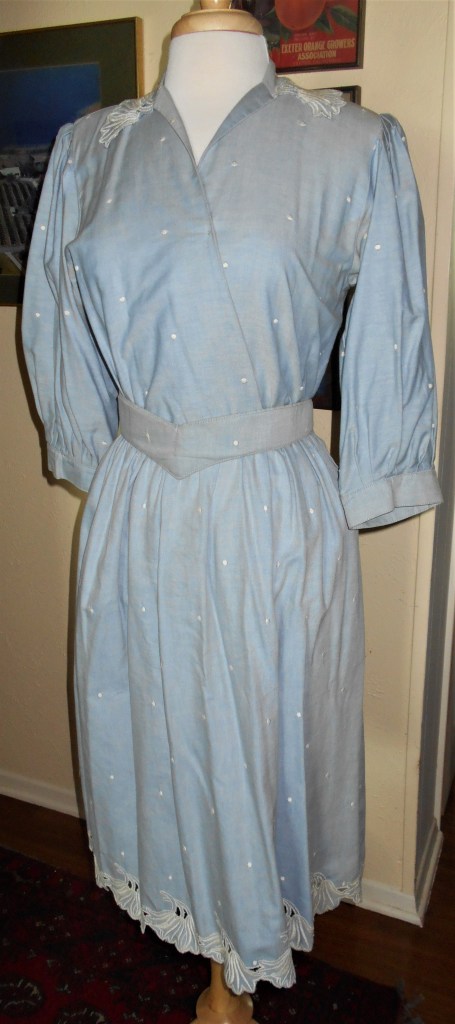
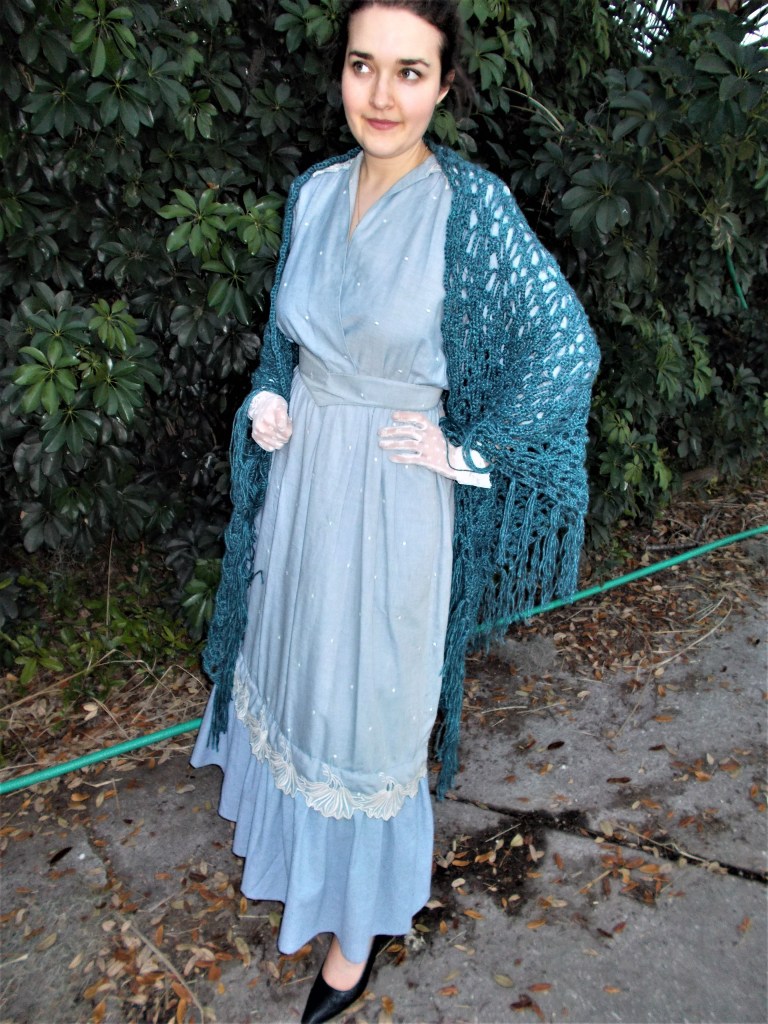
There are times when an opera costume should be interpretive. This was not one of those occasions. No, I knew from the instant I decided to make plans for attending La Bohème that I would dress head to toe as either Mimì or Musetta. Since the more recognizable of the two is the former, and since masquerading as the latter would throw me into a mid-season panic of having to sew something from scratch, I threw in my chips for Mimì. The dishwater blue frock ─ so iconic to Zeffirelli’s sickly sweet Mimì ─ could easily be mimicked with the blue chambray dress in my mother’s closet.

A staple from my mother’s closet ─ her blue dotted chambray dress with lace

But it needed more…

The original dress, which is from the 1970’s or 80’s, hit at the mid-calf level, but this was too short for the floor length skirts of the 1830’s. I remedied my malady with a matching chambray ruffle, which I attached to the bottom hem of the dress.

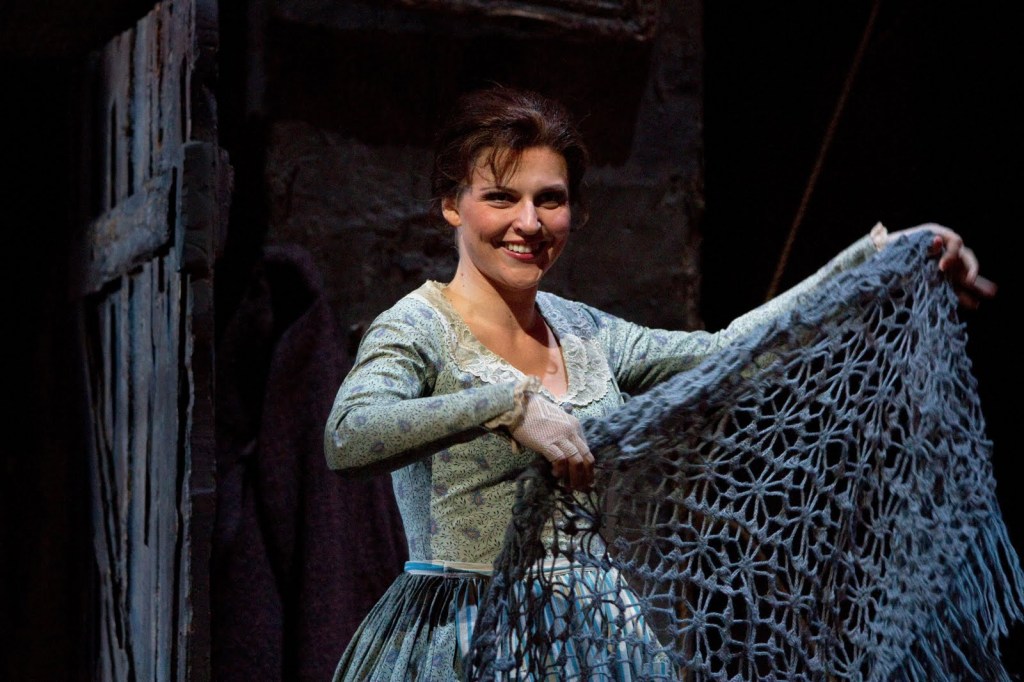
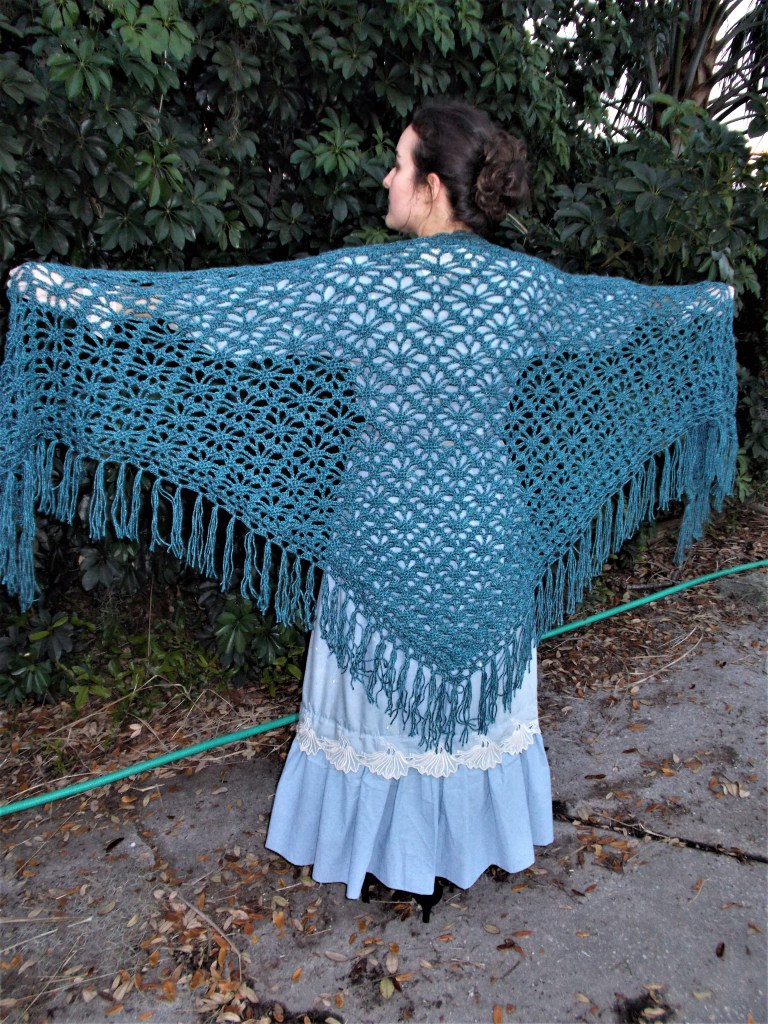
Now I needed the shawl… Mimì is nothing without her crocheted shawl ! A plethora of images from past Met performances guided me when choosing a pattern…

Here’s the pattern I used: https://shyamanivas.blogspot.com/2017/06/latticed-spider-shawl-1.html

I devised my own border scheme based on the production pictures and with a pair of lace gloves and upswept hairstyle… voilà─ Mimì !

“Yes, they call me Mimì”… at least they did at the theater that day ! It’s always fun to replicate the style of a character to the nth degree and Mimì was a relative breeze. Although I’m not counted among the lovers of La Bohème, I’m certain that Puccini’s tunes will draw me back again someday. But next time, I plan to chart a new course for my costume… look out, Musetta, I’m coming for you !

Susanna Phillips as Musetta / Metropolitan Opera

Toi, Toi, Toi,

Mary Martha

Cast and Credits:

La Bohème ─ Giacomo Puccini (1896)
Live in HD air date: February 24, 2018

Cast:
Mimì ─ Sonya Yoncheva
Rodolfo ─ Michael Fabiano
Musetta ─ Susanna Phillips
Marcello ─ Lucas Meachem
Schaunard ─ Alexey Lavrov
Colline ─ Matthew Rose
Benoit/Alicindoro ─ Paul Plishka

Credits:
Conductor ─ Marco Armiliato
Production ─ Franco Zeffirelli
Set Designer ─ Franco Zeffirelli
Costume Designer ─ Peter J. Hall
Lighting Designer ─ Gil Wechsler
Revival Stage Director ─Gregory Keller
Live in HD Director ─ Matthew Diamond
Host ─ Kelli O’Hara

Samson et Dalila

It’s a well-known fact that opera is a breeding ground for steamy passages of heart-searing love and passion. Whether through a gripping duet of vocal intensity or timely choreography, an attendee of the opera ─ especially a shy one ─ should be prepared for some “seat squirming”. And so, I braced myself for an assumptive afternoon of red hot heat in a retelling of one of the most notorious couples of biblical proportions: Samson and Delilah.

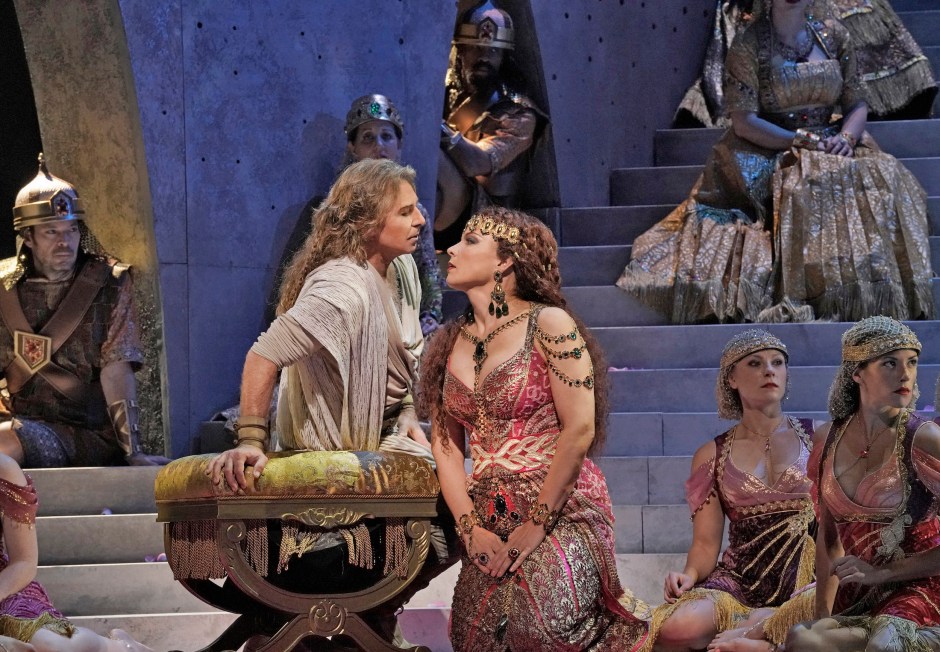
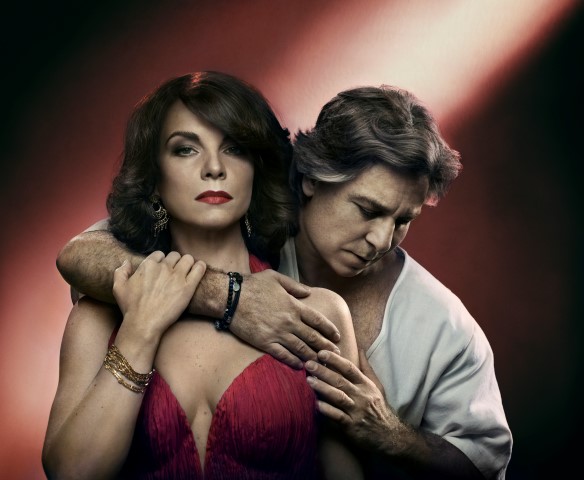
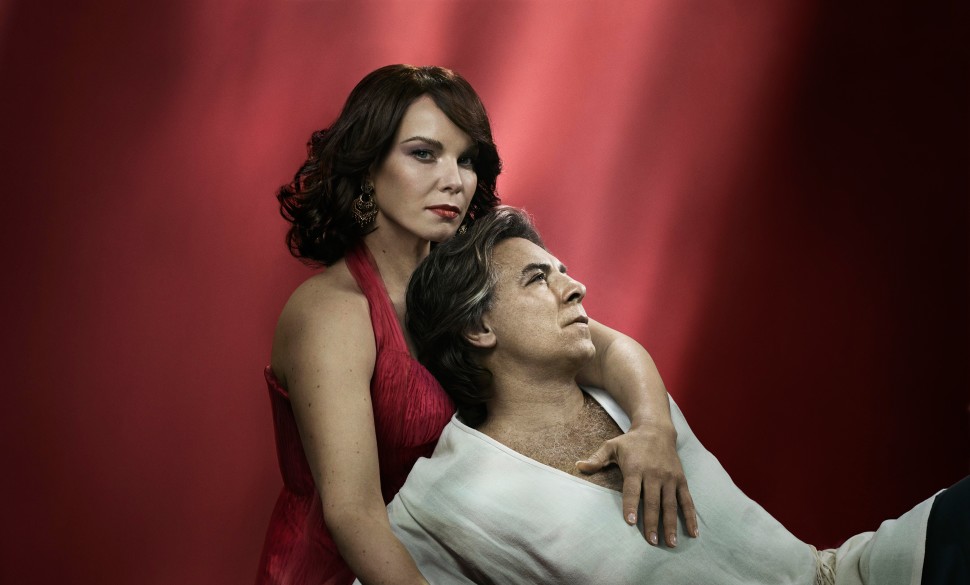
Elīna Garanča and Roberto Alagna in Samson et Dalila / Metropolitan Opera

This new production was hyped because of its starring cast. When Elīna Garanča and Roberto Alagna were teamed together for Carmen in 2009, the fireworks were undeniable, so it has been said by many. Now, almost 10 years later, the two rejoined the stage in hopes of rekindling their chemistry.

Roberto Alagna and Elīna Garanča in Carmen / Metropolitan Opera

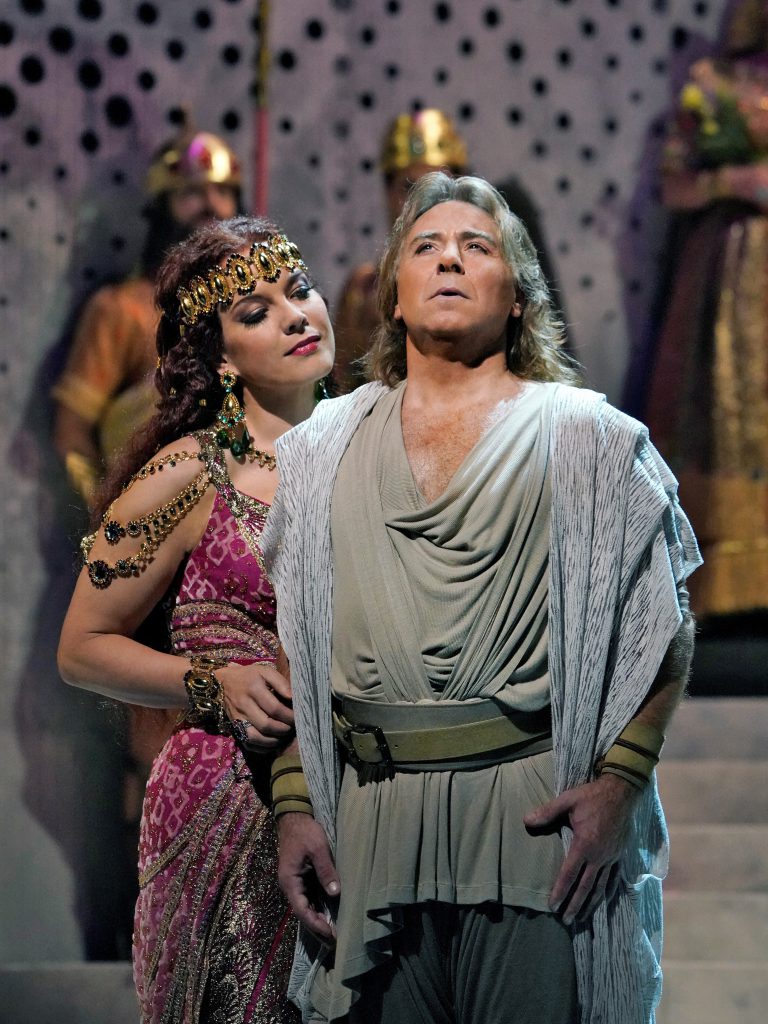
Although I had not seen the performance of Carmen with Elīna and Roberto, I wasn’t overwhelmed by what I saw in Saint-Saën’s Samson et Dalila. Both performers did well on their own, but I wasn’t moved by their “passion”. Perhaps my expectations were too high, or maybe those same anticipations were more deflated by the cartoonish sets and costumes. Samson’s hair, which was not nearly as long as I had hoped, dangled over a swath of heathered jersey knit and the neon lamé and garish design features on Dalila’s gowns were almost an insult to the rich potential for styling this opera. Pooh !

Elīna Garanča as Dalila and Roberto Alagna as Samson in Samson et Dalila / Metropolitan Opera

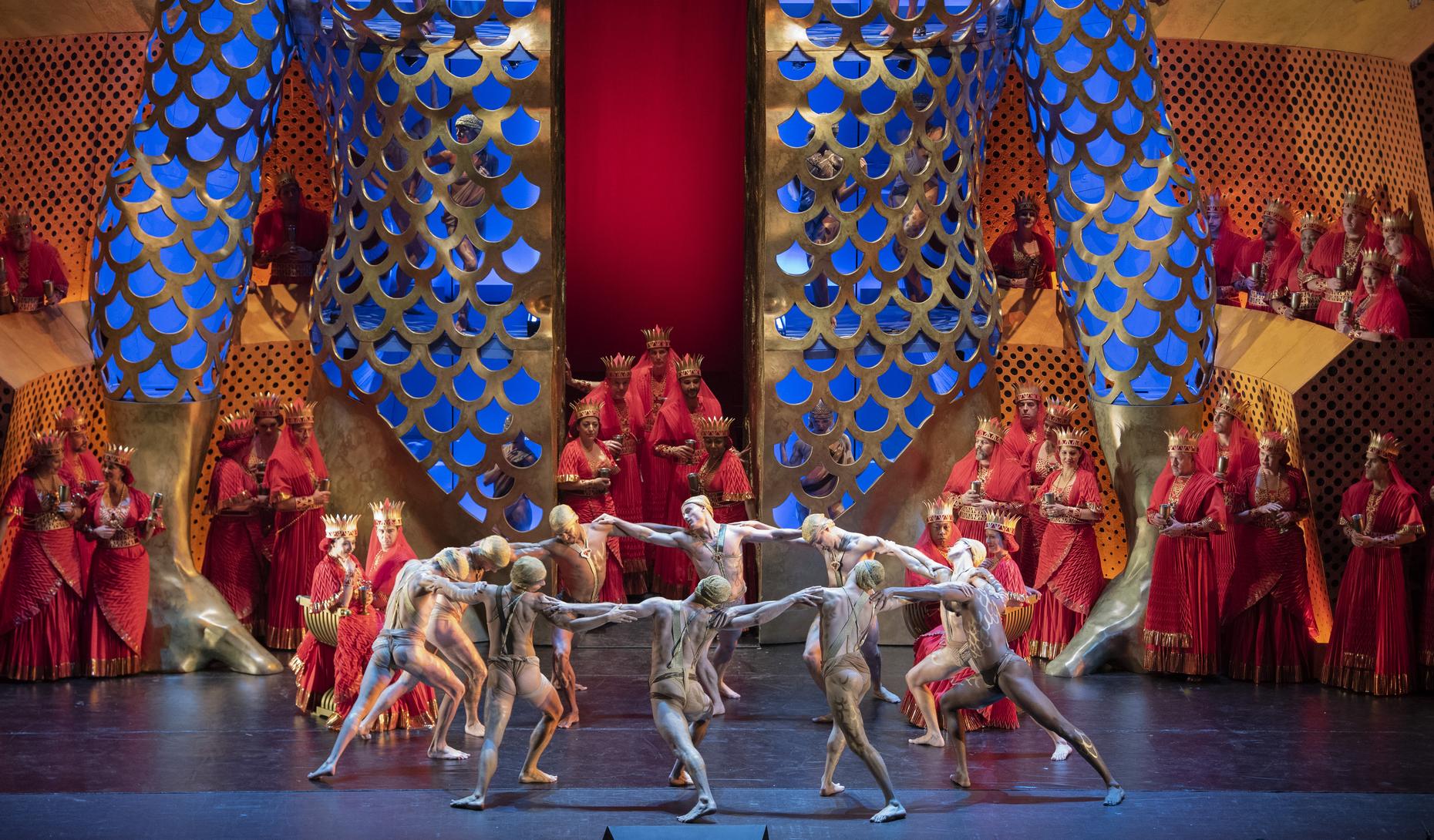
Musically, my favorite moment came during the Bacchanale, which sizzled with Middle Eastern flair and energy. The corresponding ballet, however, was far more revealing than what my unprepared eyes had estimated. Remember what I said about seat squirming ? Well, it happened here.

The Bacchanale from Samson et Dalila / Metropolitan Opera

Reputed as a Philistine femme fatale, the excitement to dress as Dalila bubbled within me like a hot spring in an arid desert. However, with a new production, costuming can be a peculiar challenge since the non-existence of past performance photos brings about a crap shoot risk: will the costumes in the opera mimic those worn in the released promotional still shots ? It’s a gamble, but one of an intense ruminating kind. For Samson et Dalila, the promotional media looked to be geared toward a 1970’s disco glam/modern vibe with Elīna Garanča appearing to look like a sultry screen siren.

With that approach, I was thunderstruck by an idea after seeing a model dress on the Corset Academy website:

Courtesy of the Corset Academy

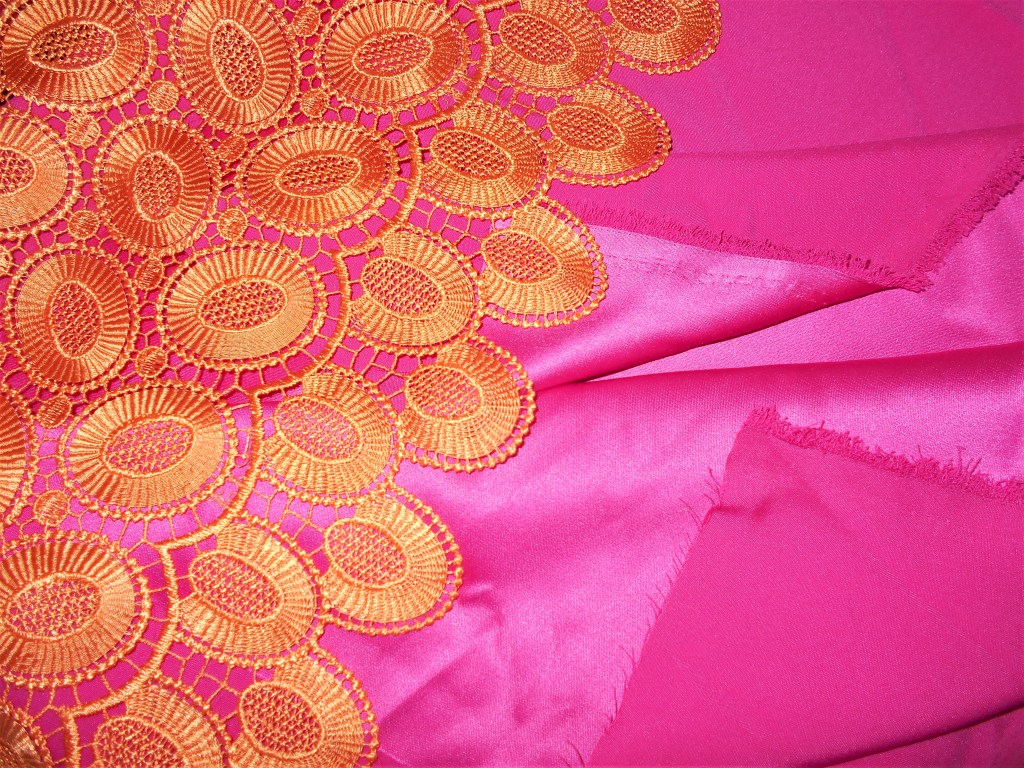
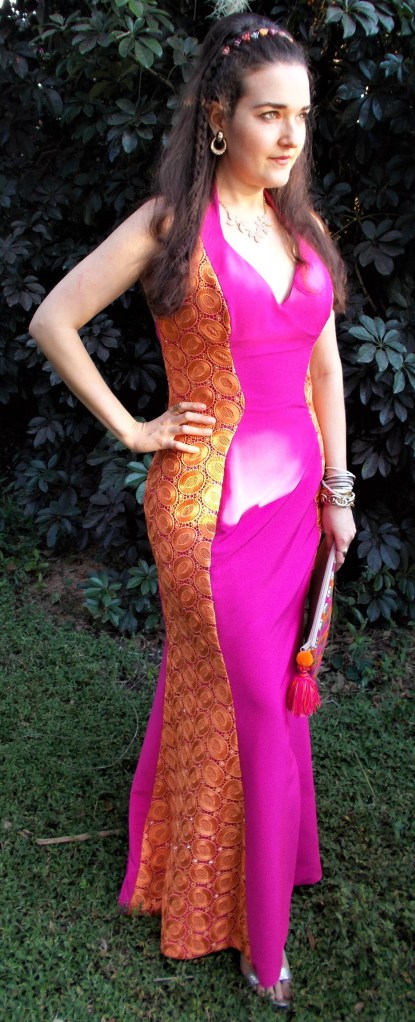
The dress reminded me of the raspberry pink halter neck gown worn in the promos and I had a dynamic plan for the design of my own: bright fuchsia satin and funky orange lace for the side panels.

Several mock-ups were created to manually model the curved lines of the side panels; the finalized muslin pieces were then cut and placed on the satin and lace for sewing. But during the fitting of the lining, I learned something had seriously gone awry: the dress was skin tight and I could barely move ! The next 10 days were spent letting out the seam allowances with mediocre results. Finally, it dawned on me that the only way the dress was going to fit was if I cut “expander” panels and sewed them to the back vertical edges of the dress. Crisis averted !

“Expander” panels sewn to back edges of dress

Although the cleverly concealed error wasn’t my ideal method of creating a dress, a hindsight look into the process taught me that I shouldn’t stuff my mock-ups too tightly ─ the cotton muslin became stretched and therefore rendered a faulty reading on the measurements. Lessons learned during sewing are invaluable for future creations.
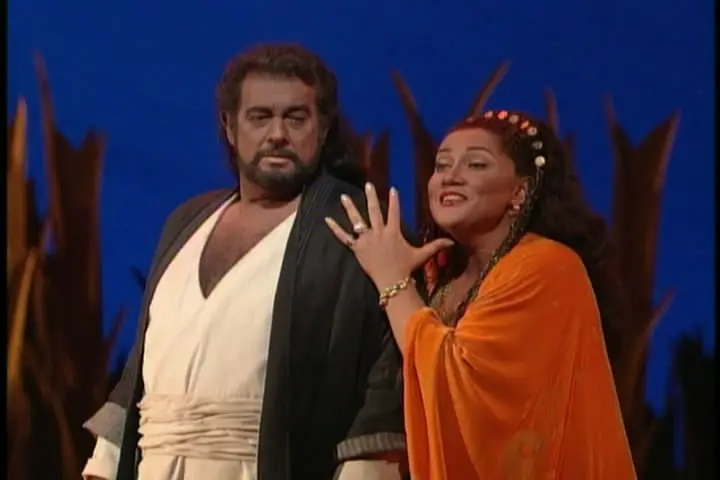
In the end, I was elated with the design of the dress and how it hugged my body like a slippery satin snake. My mother styled my hair in “Desert Goddess” fashion, which was inspired by Olga Borodina’s Dalila from the Met in 1998.

Plácido Domingo and Olga Borodina in Samson et Dalila, circa 1998 / Metropolitan Opera

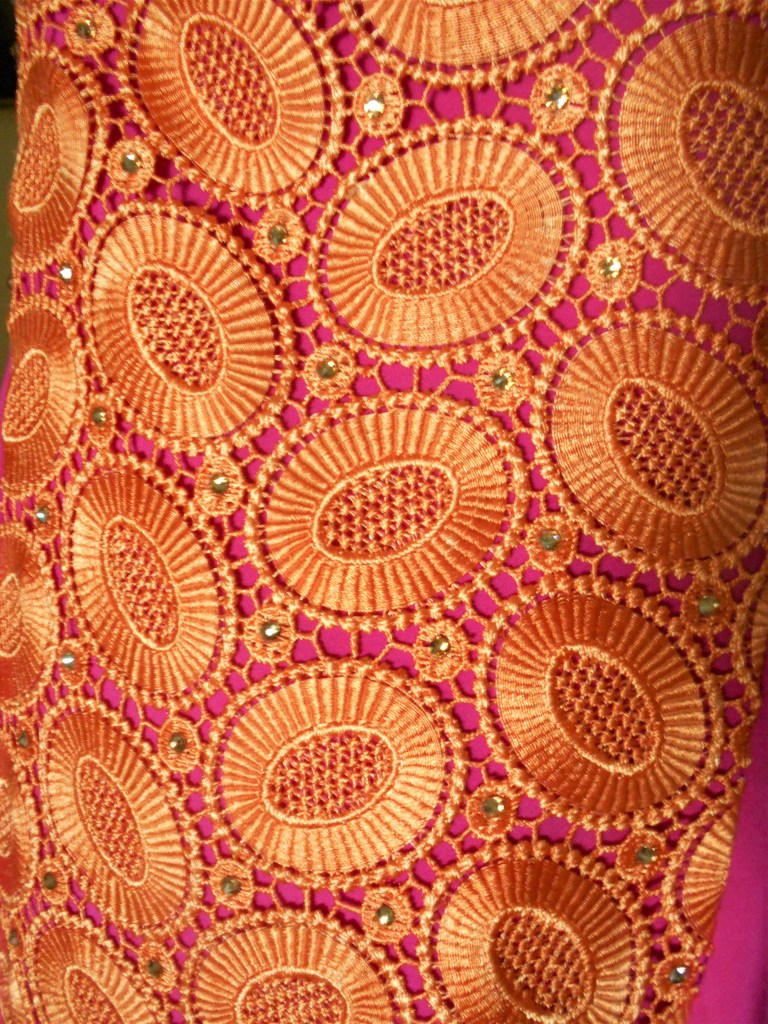
While my wrist was weighted in gold and leather bracelets and my shoes sparkled with the glints of Arabian sands, the real showstopper to this ensemble was the presence of glittering Swarovski crystals (over 500 of them !) that adorned the circular insets on the lace. Pictures cannot prove their luminescence, but the crowd at the theater noticed…

Up close detail of the lace and crystals

Dalila: a sense of worldly glamour with the seduction of a lioness. Samson et Dalila: a lion cub outfitted in plastic rhinestones.

Toi, Toi, Toi,

Mary Martha

Cast and Credits:

Samson et Dalila ─ Camille Saint-Saëns (1877)
Live in HD air date: October 20, 2018

Cast:
Dalila ─ Elīna Garanča
Samson ─ Roberto Alagna
High Priest of Dagon ─ Laurent Naouri
Abimélech ─ Elchin Azizov
An Old Hebrew ─ Dmitry Belosselskiy

Credits:
Conductor ─ Sir Mark Elder
Production ─ Darko Tresnjak
Set Designer ─ Alexander Dodge
Costume Designer ─ Linda Cho
Lighting Designer ─ Donald Holder
Choreographer ─ Austin McCormick
Live in HD Director ─ Gary Halvorson
Host ─ Susan Graham

L'Elisir d'Amore

Love potions and promises of love. A snookered bumpkin, a wealthy proprietress, and… a bottle of Bordeaux ? Rife with hijinks and hilarity, it’s hard not to love Donizetti’s bubbly comedy. As a part of the Met’s “Summer Encores” series, the biggest draw to this past performance of L’Elisir d’Amore was its stellar cast. And therefore, the decision to make the long trip to a distant theater to see Anna Netrebko and Matthew Polenzani perform was an easy one.

Anna Netrebko and Matthew Polenzani in L’Elisir d’Amore / Metropolitan Opera

Did I mention that L’Elisir was funny ? So hilarious was Matthew Polenzani’s “drunk” scene that I was half bent out of my seat, cackling with laughter. The sweat that poured from Nemorino’s brow as he danced around the town square with his magic “elixir of love” was enough to fill a bucket ! Surreptitiously, Matthew Polenzani dropped to the floor in an act of pleading desperation while furtively taking the moment to wipe his perspiring hands (and nearly his drenched head !) on the stationary skirt of Anna Netrebko’s lingering Adina ─ a clever improvisation. Too bad the snooty people in the theater could not see the comedy of the ruse… they barely chuckled ! Stiff crowd, but nothing could spoil my amusement.

Anna Netrebko as Adina and Matthew Polenzani as Nemorino in L’Elisir d’Amore / Metropolitan Opera

I should say that amid all the chicanery and cavorting, the opera ended in the manner in which all comedies must wrap: with a wedding and a happy outcome ! No one ever weeps by the end of a Donizetti bel canto romp.

Anna Netrebko as Adina, Mariusz Kwiecien as Belcore, and Ambrogio Maestri as Dulcamara in L’Elisir d’Amore / Metropolitan Opera

Adina, the opera’s heroine, is a wealthy landowner in the Basque region of France. In Bartlett Sher’s entertaining (and characteristically quirky) production, her attire consists of a peasant blouse, underbust corset, skirt, crop jacket with tails, and occasional top hat.

Mariusz Kwiecien as Belcore and Anna Netrebko as Adina in L’Elisir d’Amore / Metropolitan Opera

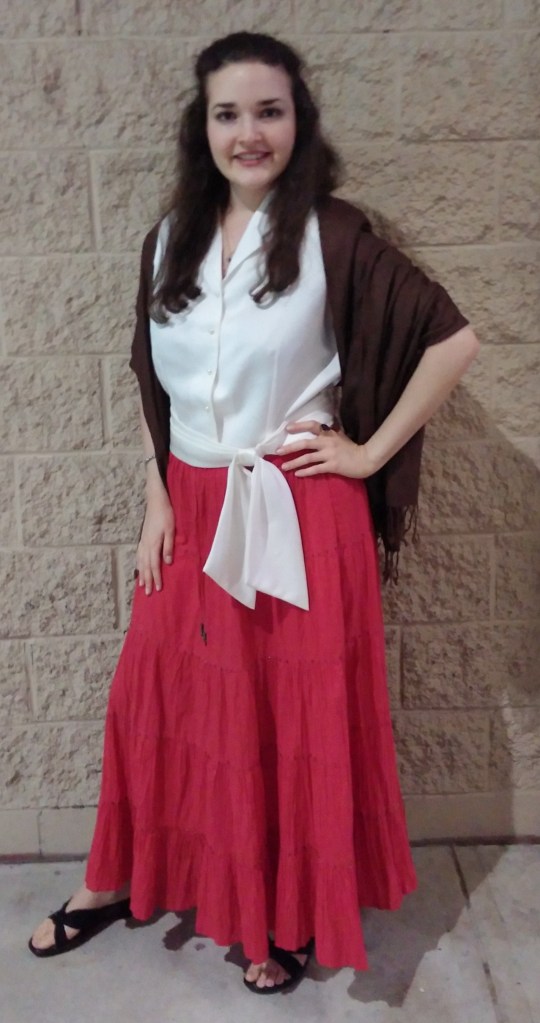
While the underbust corset and top hat were out of the question with such short notice, I felt I could pull together a knock-off look with garments I already had in my closets… and so I did ! The coral crinkle skirt has been in my mother’s closet for ages… who would have thought that it would be perfectly suitable for Adina ? And although my brown shawl can’t claim to be a crop jacket with tails, it certainly added to the coordinating color scheme of the model outfit worn in the opera.

But the real story belongs to the sashed blouse…

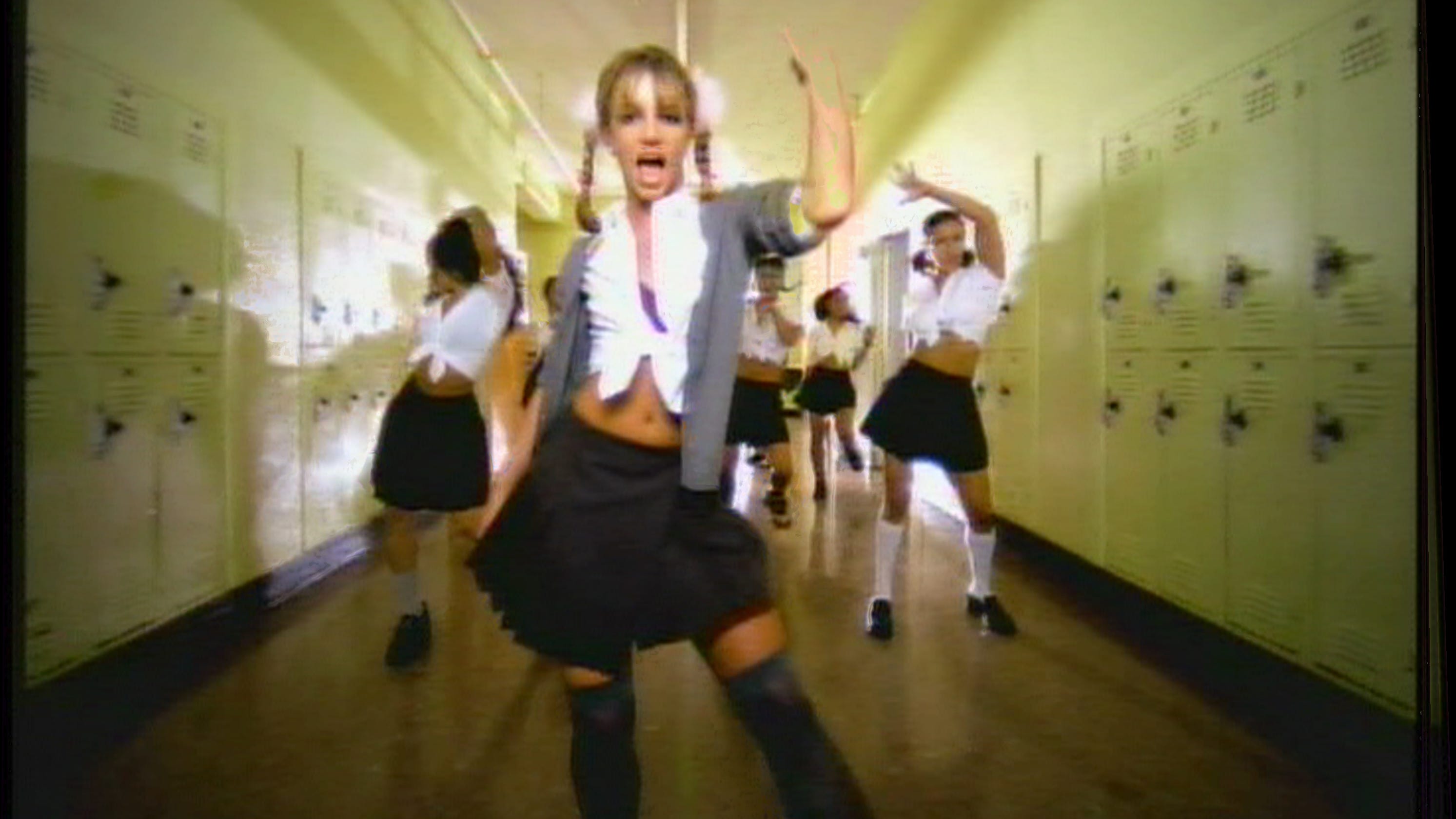
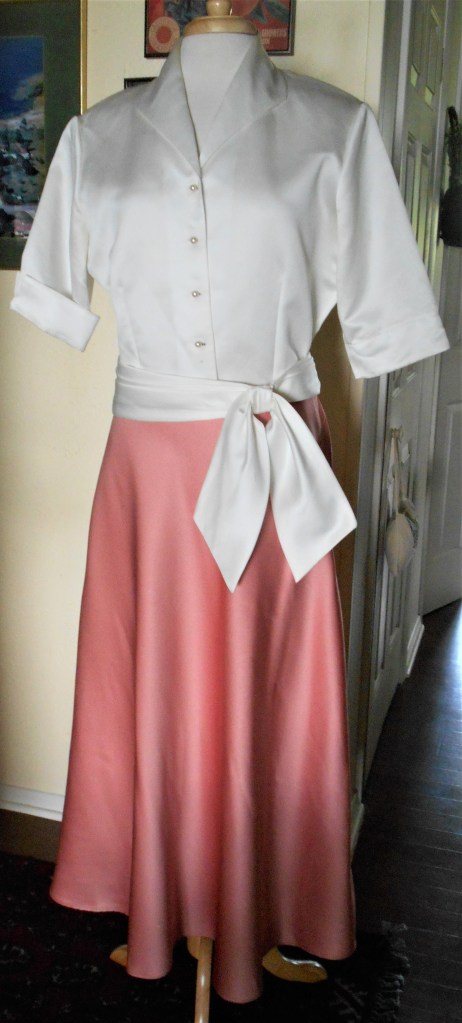
In 2004, my mother and I were bridesmaids in my aunt’s Colorado wedding where we wore matching peach satin skirts and ivory blouses with pearl buttons. Even as the years have passed, the two identical blouses have remained burrowed deep in our closets. Unsurprisingly, my original child’s blouse no longer fits… that is, unless I wanted to dress like Britney Spears from her “…Baby One More Time” music video.

Britney Spears in her “…Baby One More Time” music video

Maybe some other time…

For now, my mother’s blouse fits me fine and recalls to mind memories of my aunt’s autumn wedding day in Steamboat Springs. Here’s what the blouse looked like when paired with the peach skirt:

Look, 303 ! Doesn’t this bring back memories ?

A bridesmaid’s blouse worn as a costume to the opera ? That almost sounds like a crafty trick from L’Elisir d’Amore !

Toi, Toi, Toi,

Mary Martha

Cast and Credits:

L’Elisir d’Amore ─ Gaetano Donizetti (1832)
Live in HD air date: October 13, 2012
(Encore seen: June 29, 2016)

Cast:
Adina ─ Anna Netrebko
Nemorino ─ Matthew Polenzani
Belcore ─ Mariusz Kwiecien
Dulcamara ─ Ambrogio Maestri

Credits:
Conductor ─ Maurizio Benini
Production ─ Bartlett Sher
Set Designer ─ Michael Yeargan
Costume Designer ─ Catherine Zuber
Lighting Designer ─ Jennifer Tipton
Live in HD Director ─ Gary Halvorson
Host ─ Deborah Voigt

"Bess, You Is My Woman Now": the 1930's picnic dress

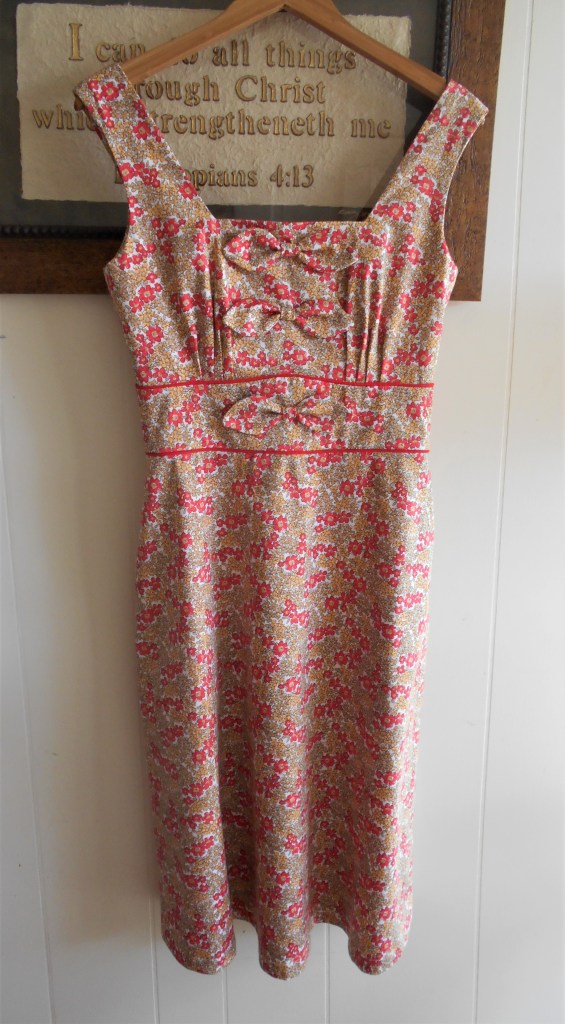
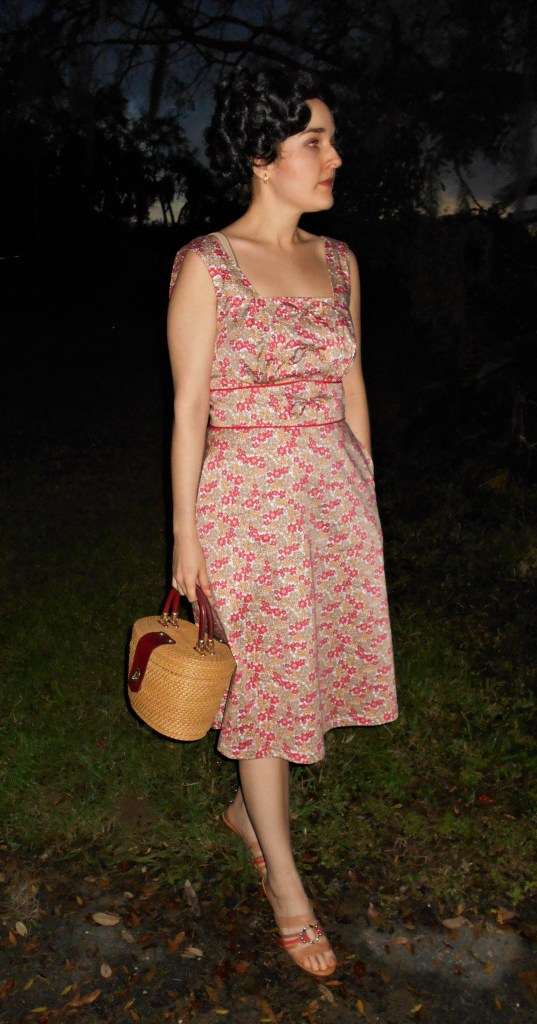
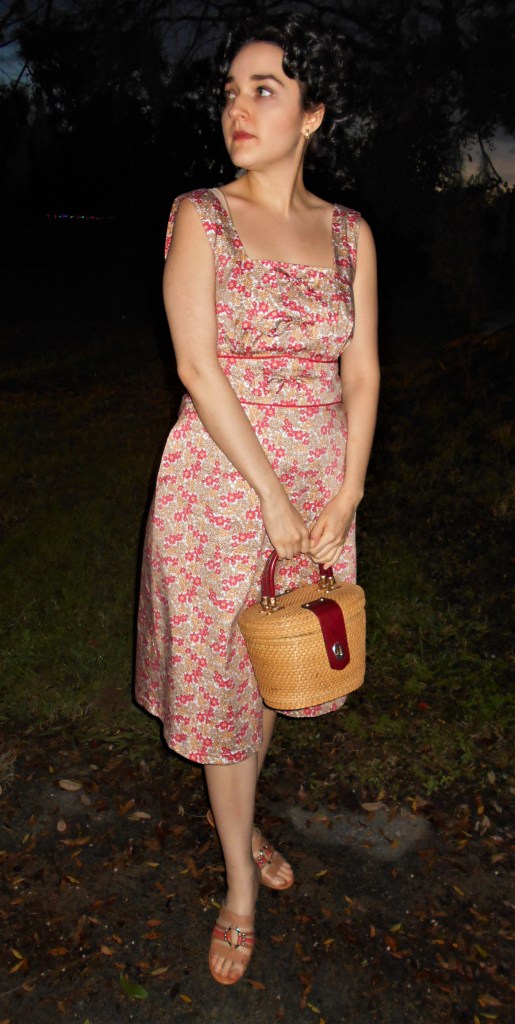
Oh, Bess… You is definitely my woman now… at least for the duration of an afternoon at the theater ! The creation my 1930’s feedsack frock for Porgy and Bess involved methods that would have left ingenious housewives of the Great Depression tickled pink.

Let’s begin !

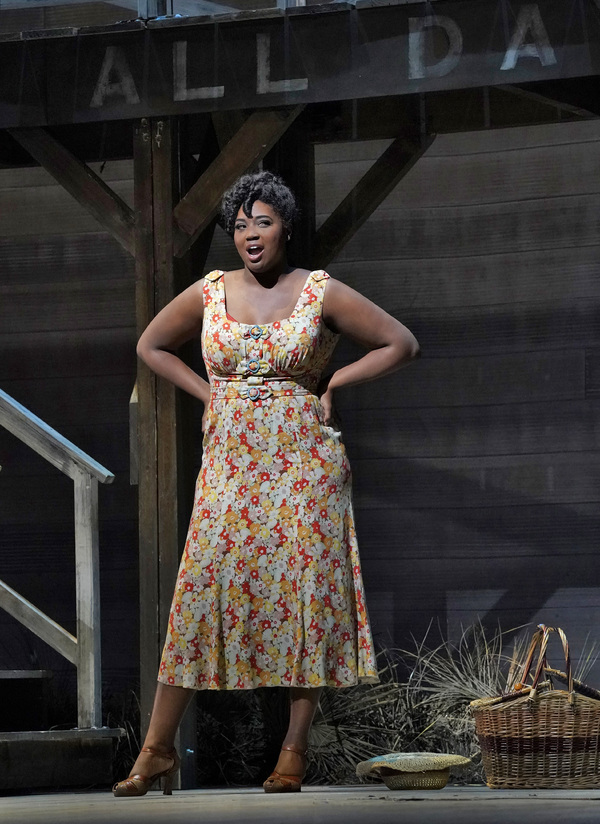
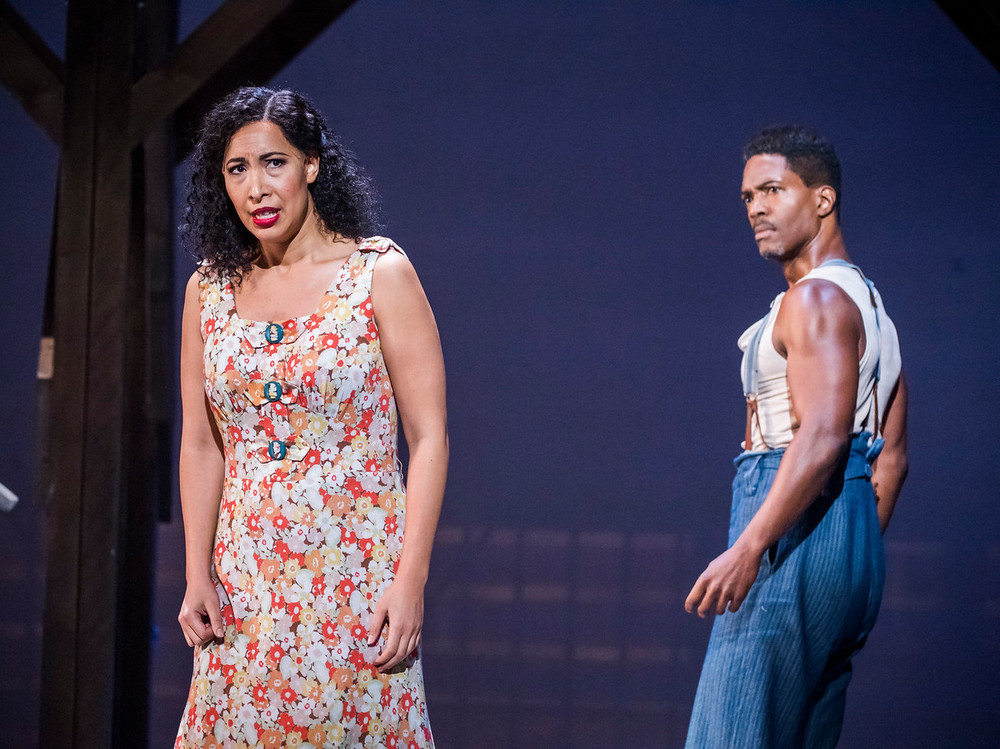
Starting off, my inspiration images were of the sundress worn to the “Kittiwah” Island picnic in Act II of the opera…

Angel Blue as Bess in Porgy and Bess / Metropolitan Opera

Don’t you love the floral print pattern of the material ? I did. So much so that I scoured the web in search of my perfectly matching feedsack print. (More about that in my post about the opera and my guest article for Fabric Mart’s blog.) While researching, I learned how the flour and sugar sacks back in the 30’s and 40’s used to be sold with colorful motifs stamped on them so housewives could sew clothes for their families after using the dry goods inside. Clever ? Yes !

Promotional poster for printed flour sacks

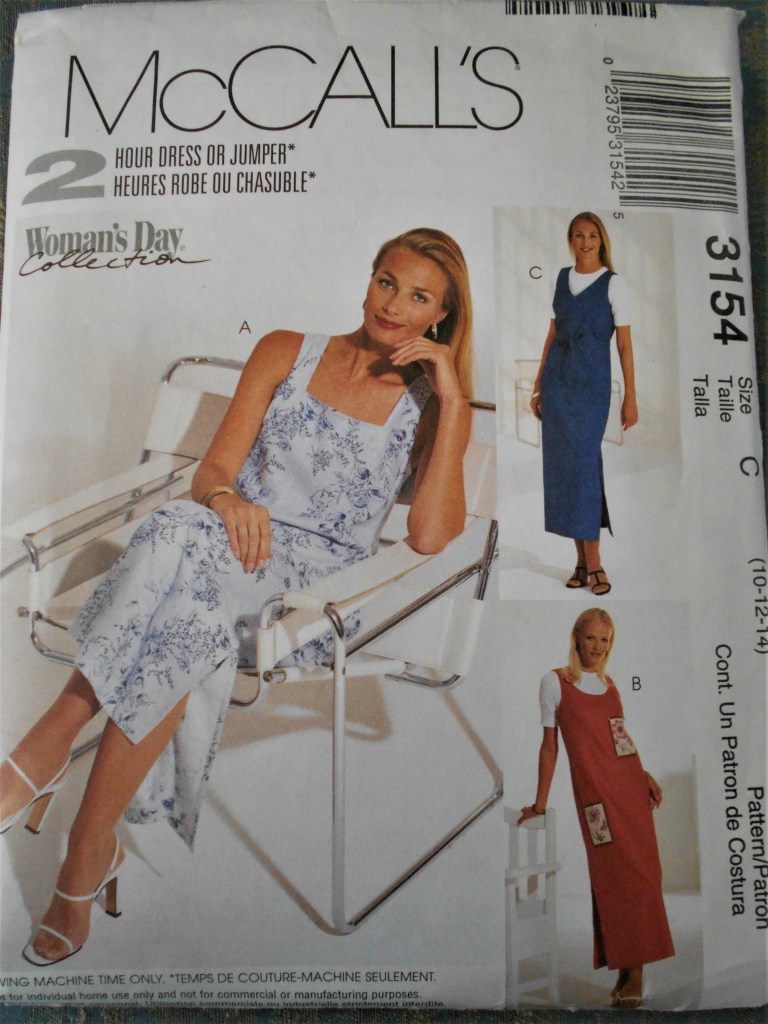
The Porgy and Bess dress had several attributes I wanted to replicate in my own frock. Namely, the underbust gathers, square neckline, and mid-calf hem. I thought of drafting my own pattern from scratch, but what’s the point when a commercial pattern with the same style will do the same ? Seeking simplicity, I perused through my mother’s pattern box and fingered over a never-before-used jumper pattern.

McCall’s 3154

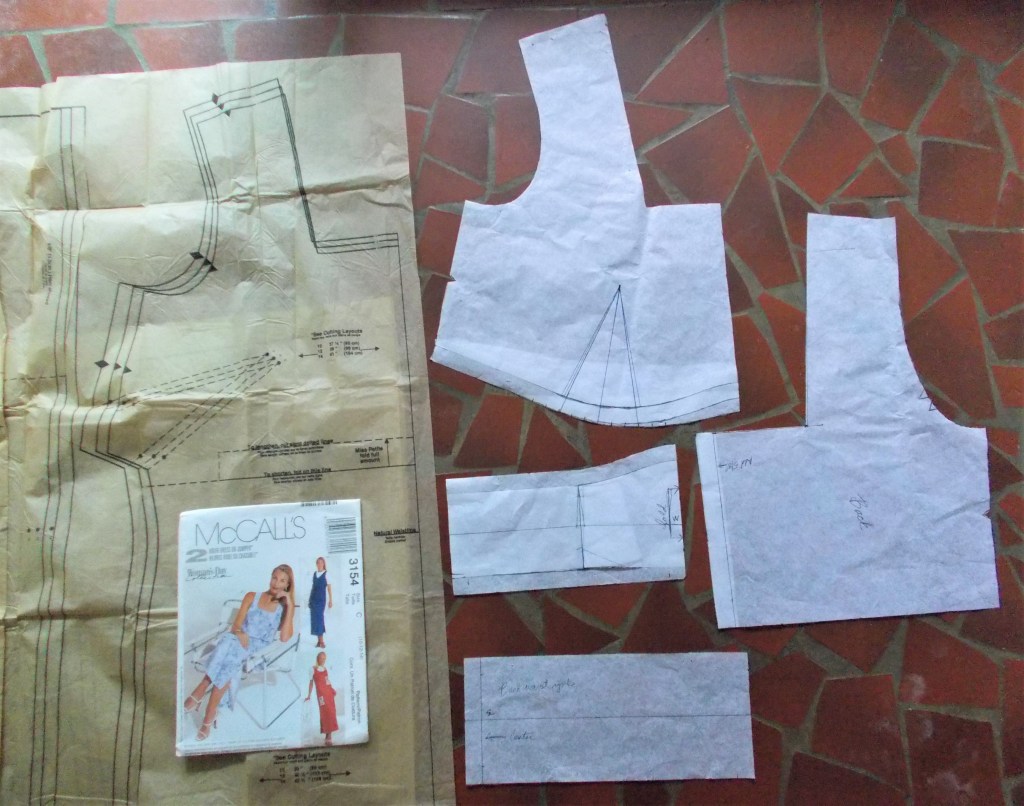
View A, here I come ! Since I only needed the bodice portion of the jumper, I traced its outline onto tissue paper, made the appropriate markings, and rotated the dart from the side to the waist. I also drafted an ascending waist yoke… very vintage.

The original pattern and the new patterns made

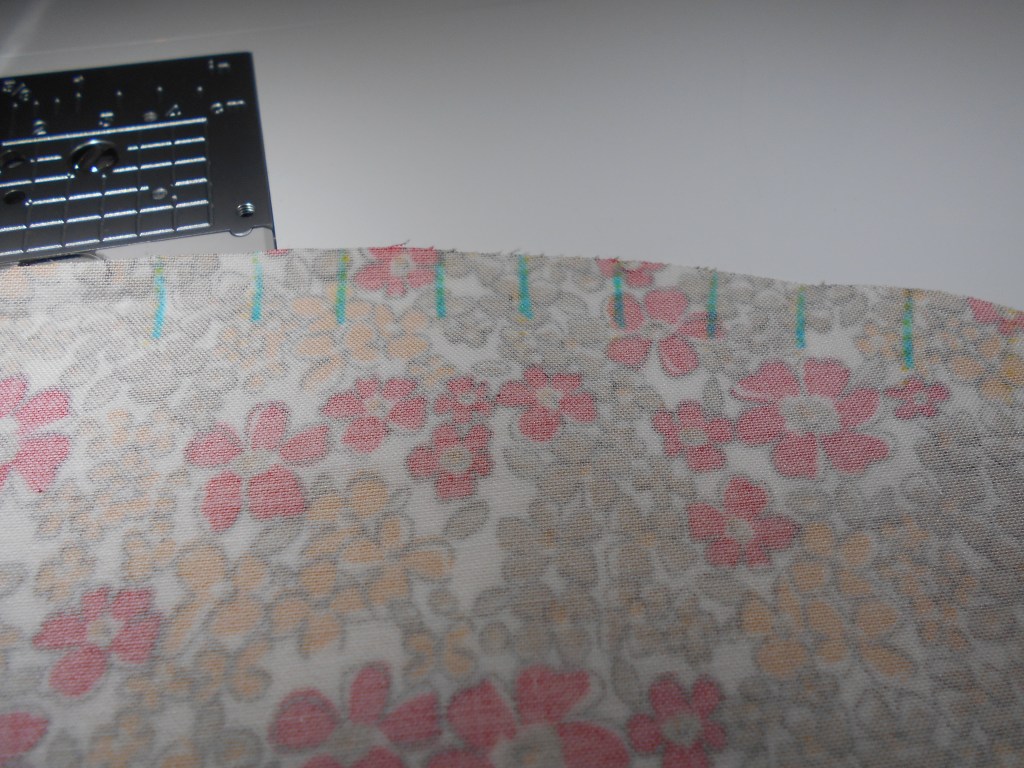
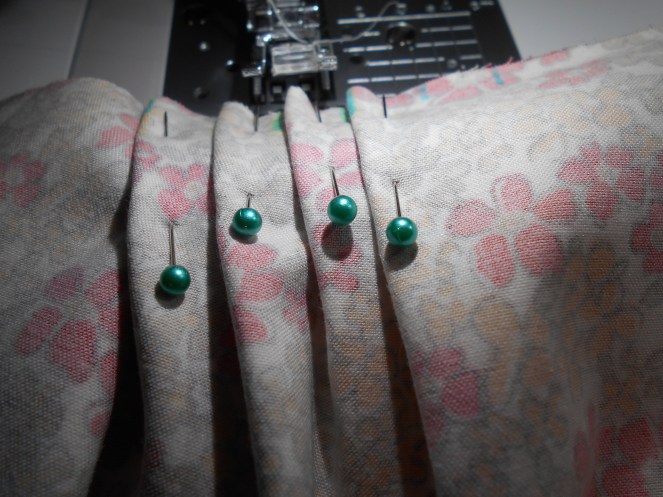
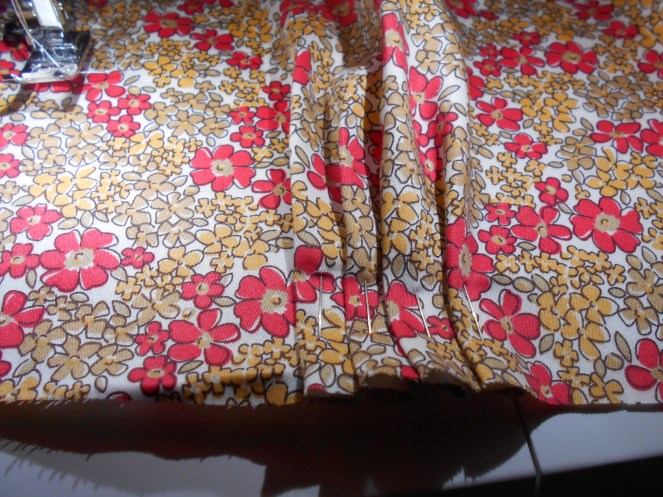
My muslin mock-up indicated some impending flaws. The back gaped and the gathers were thick and unflattering, especially when taking into consideration that the muslin was already thin. I ditched the idea. Using some of the same ingenuity from the Depression-era, I experimented with small pleats in place of the gathers, which were much more efficient and comely. I marked ½ inch lines along the area of the waist dart as a guide for the pleats…

…and pinned them in place.

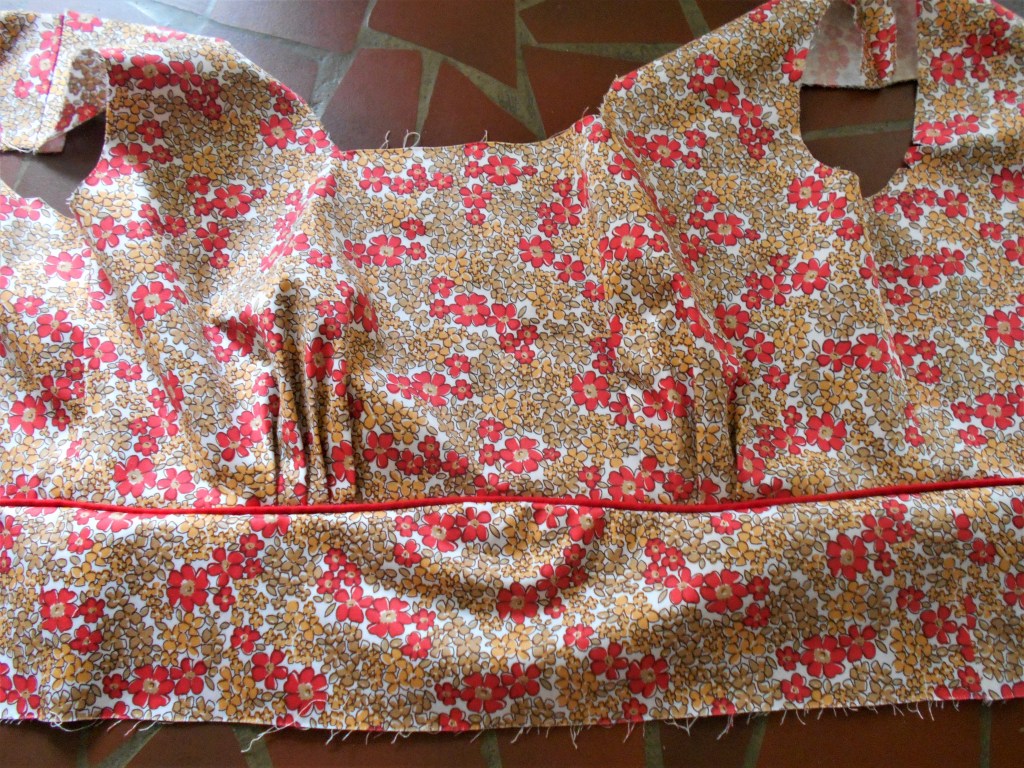
Attaching the waist yoke came next. First, I sewed a row of piping along the bottom seam line of the bodice…

…and then clipped the curves along the seam allowances.

The yoke was now attached !

Time to work on the skirt…

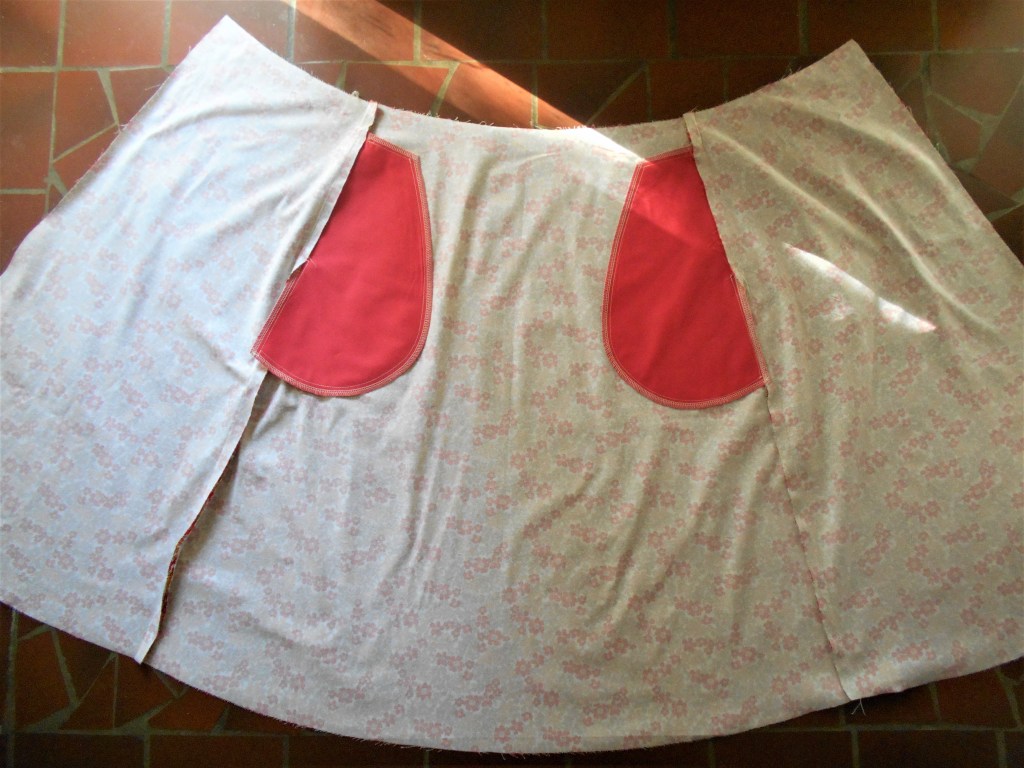
When I assembled my mock-up, I traced a basic A-line skirt pattern and altered the waist measurements to line up with those on the lower portion of the waist yoke. The pattern was straightforward and needed few adjustments once sewn. Two back halves were cut as well as one piece on the fold. I also added a pair of inseam pockets because… well, who doesn’t love pockets ?

The inside of the skirt

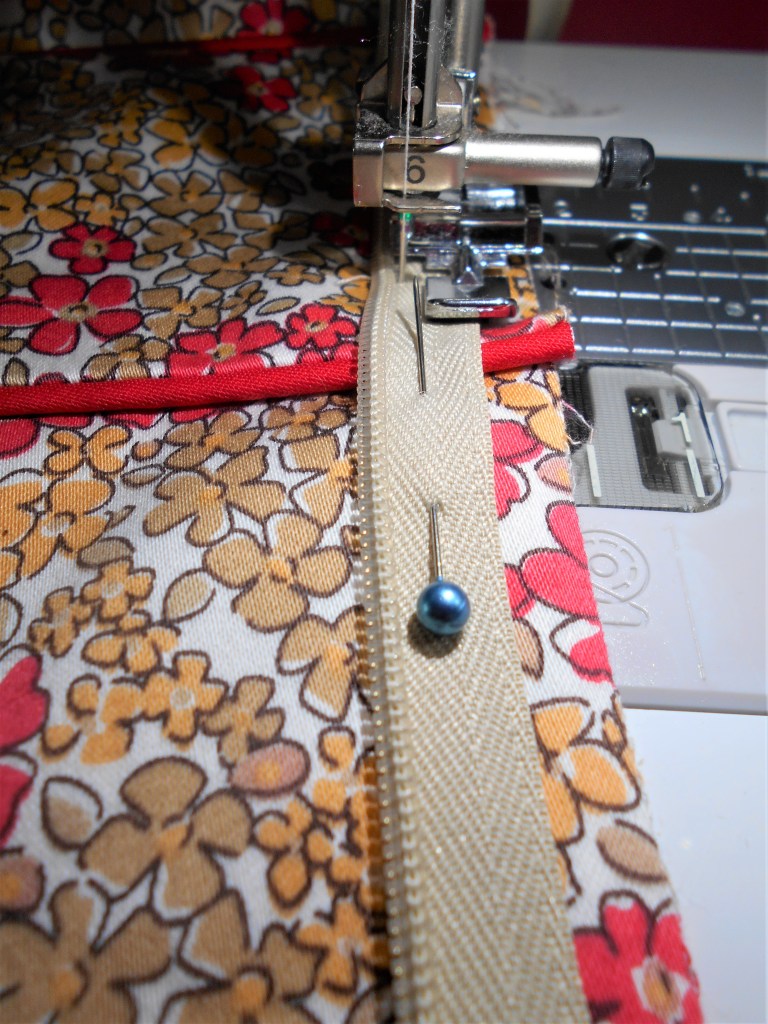
Now for the zipper ! Sewing over two rows of piping and seam allowances can be tough on sewing machines… but not for my Baby Lock ! A zipper foot certainly aided in gliding over the hilly terrain.

Sewing the zipper

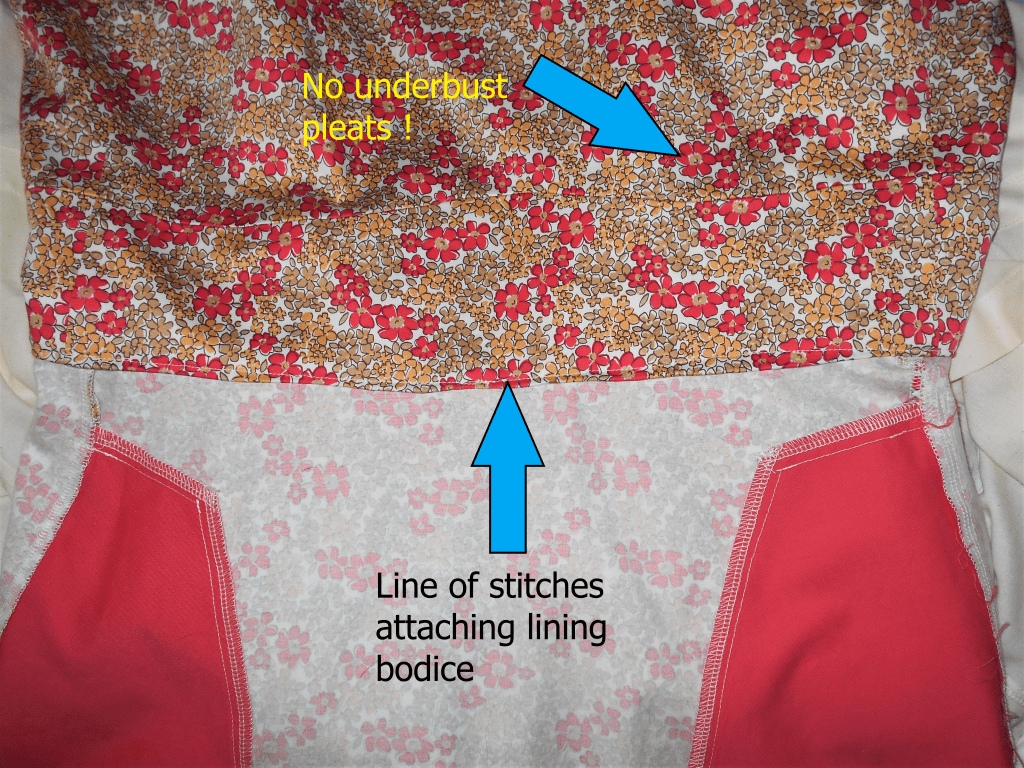
All that was left was to line the bodice, which also included the waist yoke. The easiest way to go about this was to cut identical pieces of the waist yoke (and remembering to close the dart of the front bodice piece before cutting !), sew them together with the bodice pieces along the seam lines, and then fold under the bottom ½ inch along the lower edge of the waist yoke. Here’s what the inside of the bodice looked like after I “stitched in the ditch” of the bottom row of piping from the front:

The dress basically finished, it was time to add the bows onto the front.

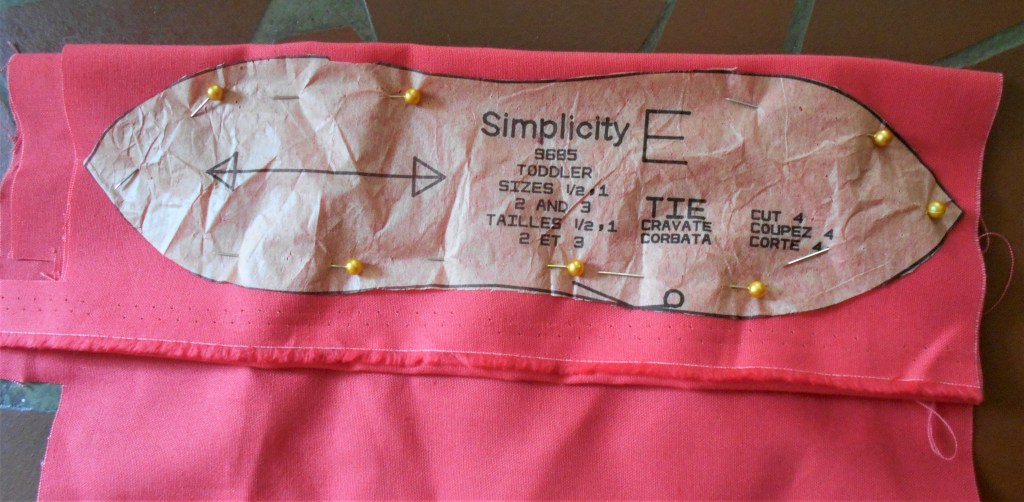
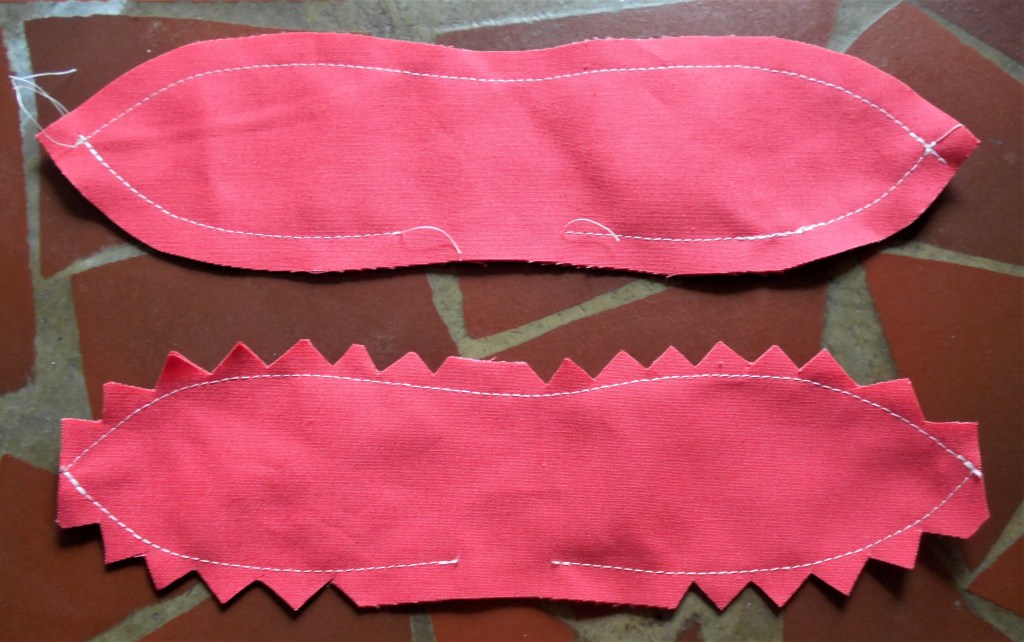
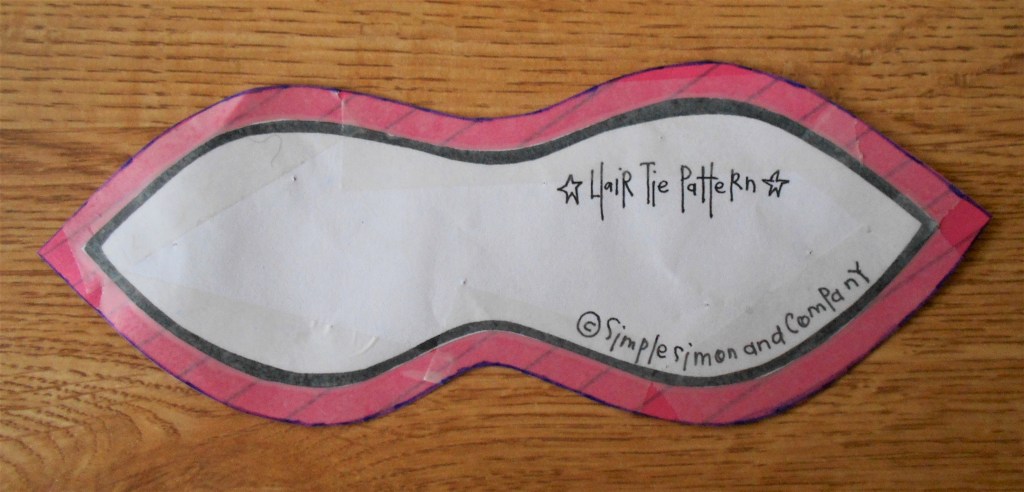
Cutting the right size and shape for a fabric bow can be a toss of the dice. Eyeballing a flat paper pattern piece can at times be tricky when gauging how the pattern will translate into fabric. Because I had such success with the tie bows for the baby clothes I had sewn recently, it followed in my logic that the same pattern would work again.

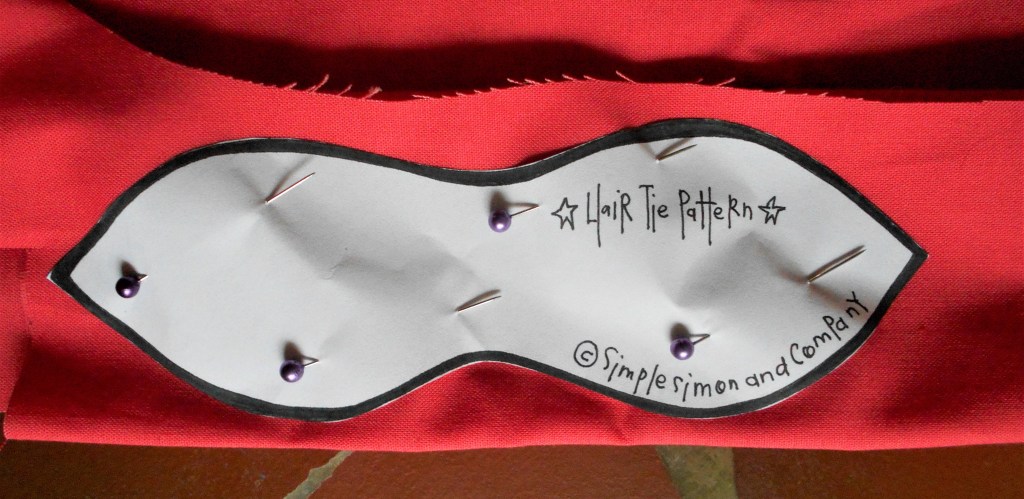
It didn’t work out. Too long, too flat, too thin ! Back to the drawing board… this time with a free pattern I found online.

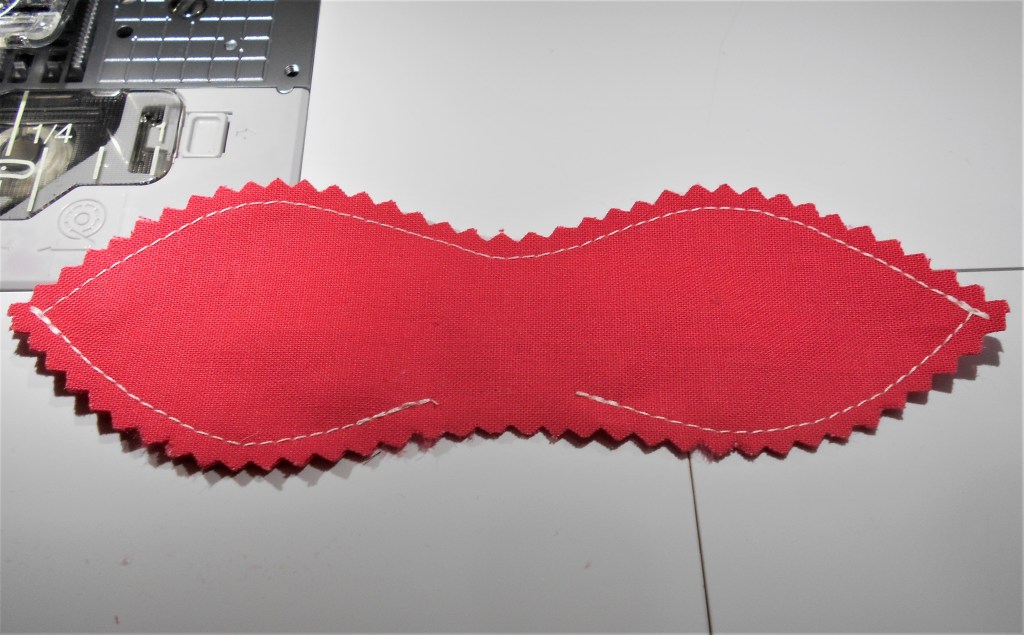
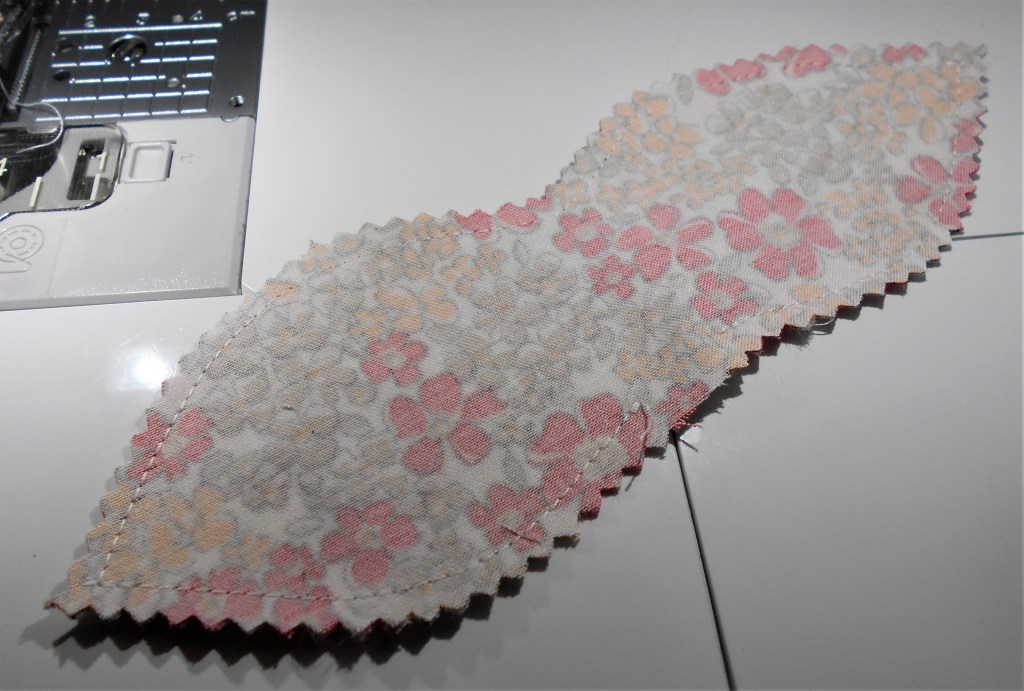
Close, but no cigar. However, by modifying the pattern just a bit (and swapping out the pocket lining material for the floral stretch poplin), I felt I could have a winner on my hands…

Success !

The additional ¼ inch seam allowance created a perfectly fashionable bow, which was pinched together in the center and sewn with a folded rectangle of fabric for the knot.

The bows were just subtle enough sewn down the front of the bodice, but too stiff for the tops of the shoulder straps.

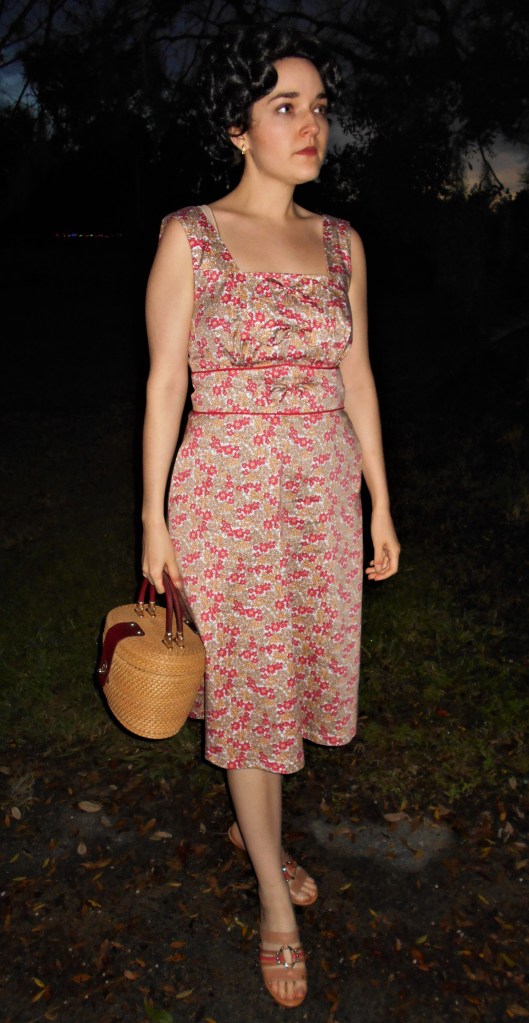
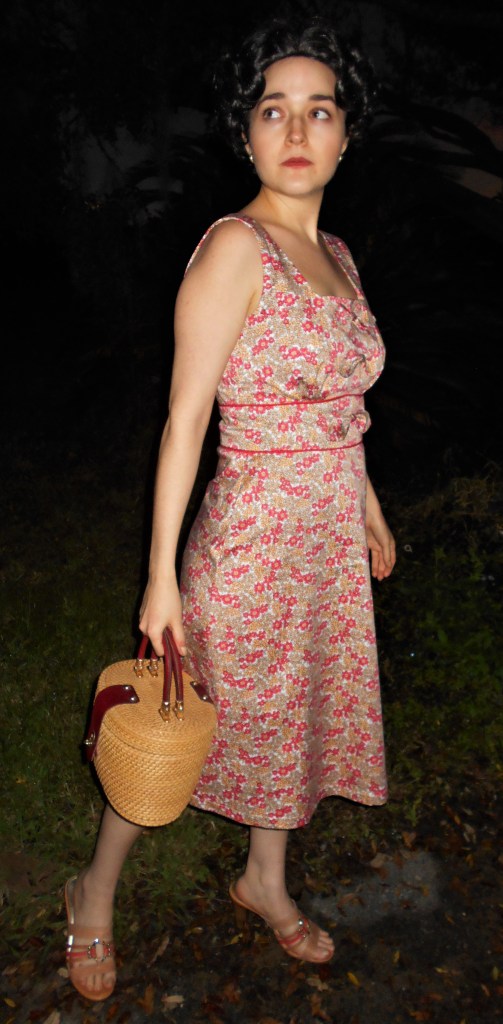
Show time !

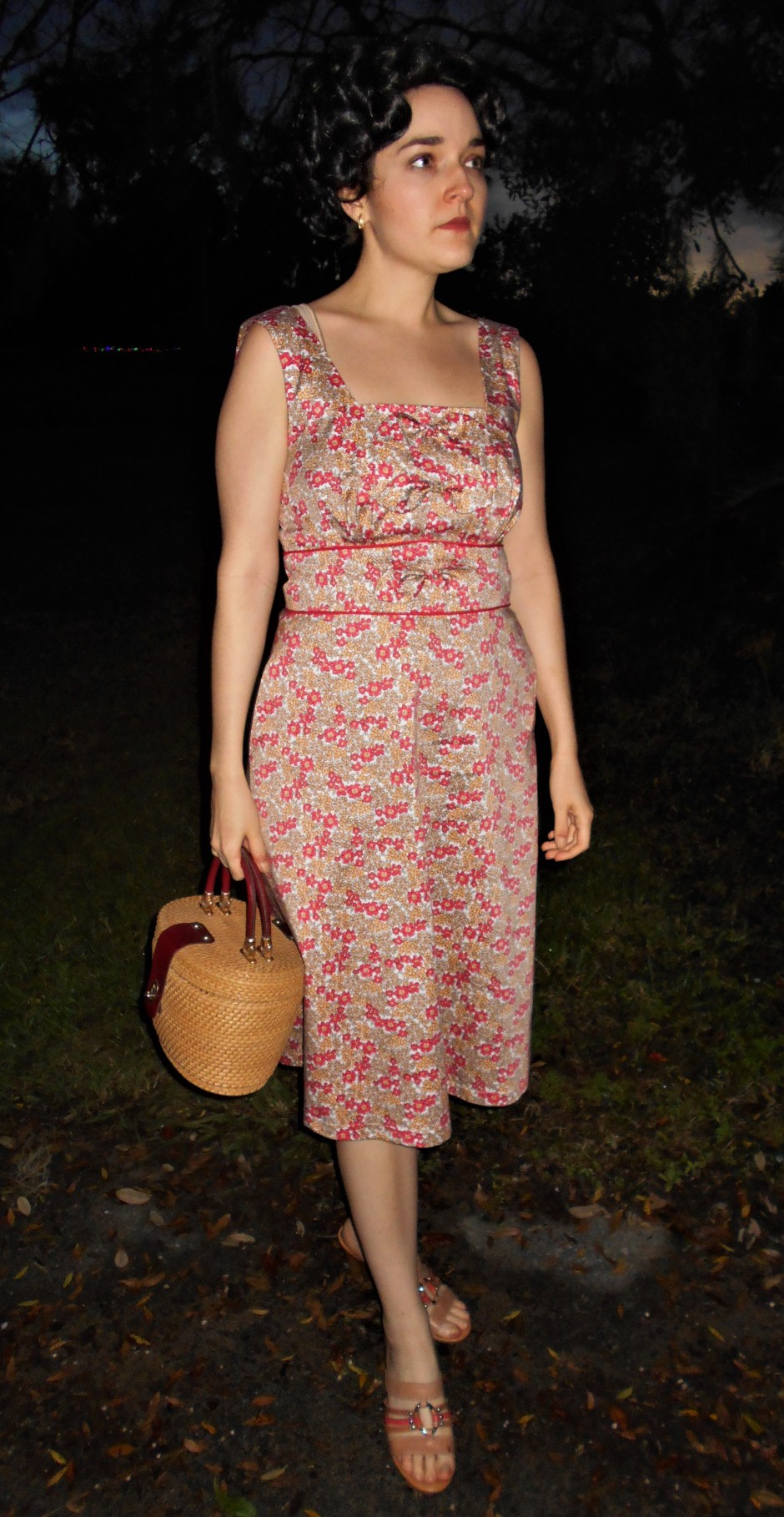
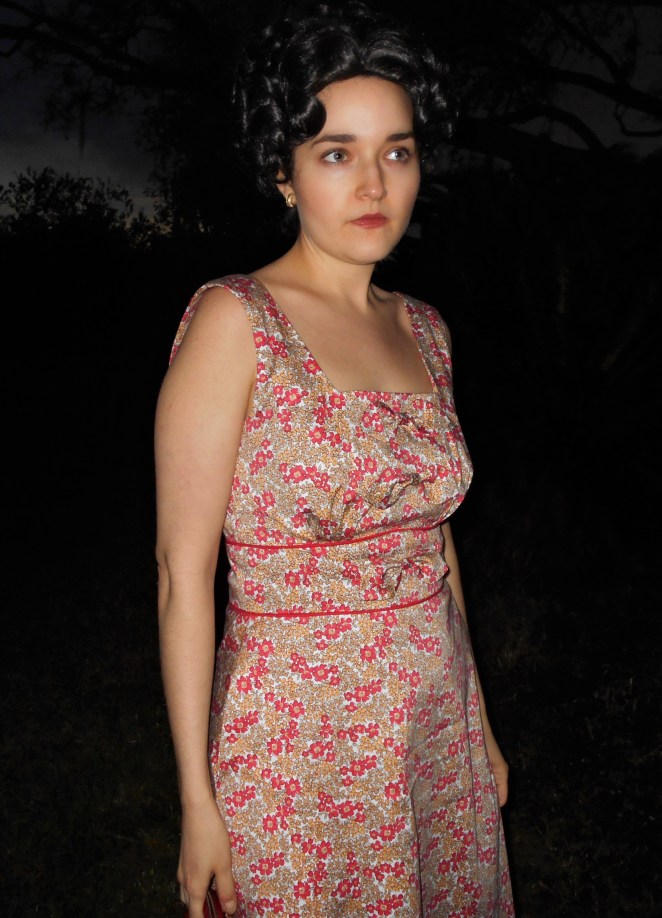
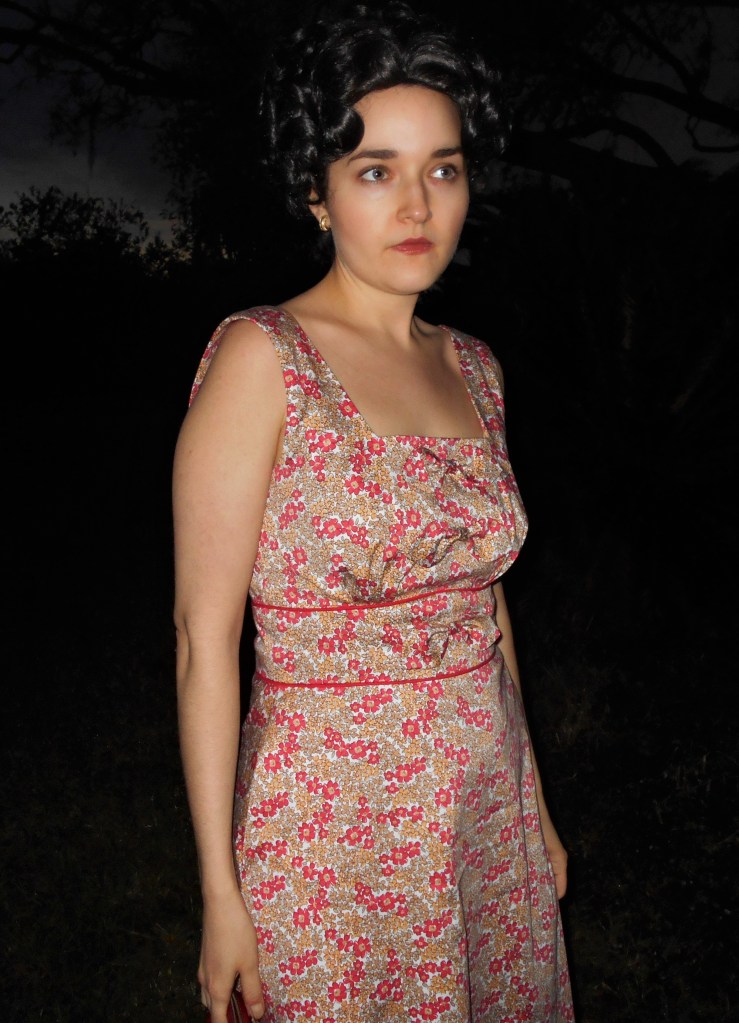
I wore a curly 30’s style wig and carried my mother’s Nantucket basket purse for my sundries.

Every project has a flaw and in this dress, it was the shoulder strap placement. I hypothesized that along the way in the multiple manipulations of the original pattern, the shoulder strap became deformed, was cut too wide, and as a result, wanted to slide off my shoulders. Therefore, I found myself constantly checking to ensure the dress concealed my bra straps. As evidenced by some of the pictures, that wasn’t always accomplished. Oh, well !

The dress had flaws, Bess had flaws. Perhaps the old line was more pertinent than I realized─ “Bess, we two is one !”

Toi, Toi, Toi,

Mary Martha

Porgy and Bess

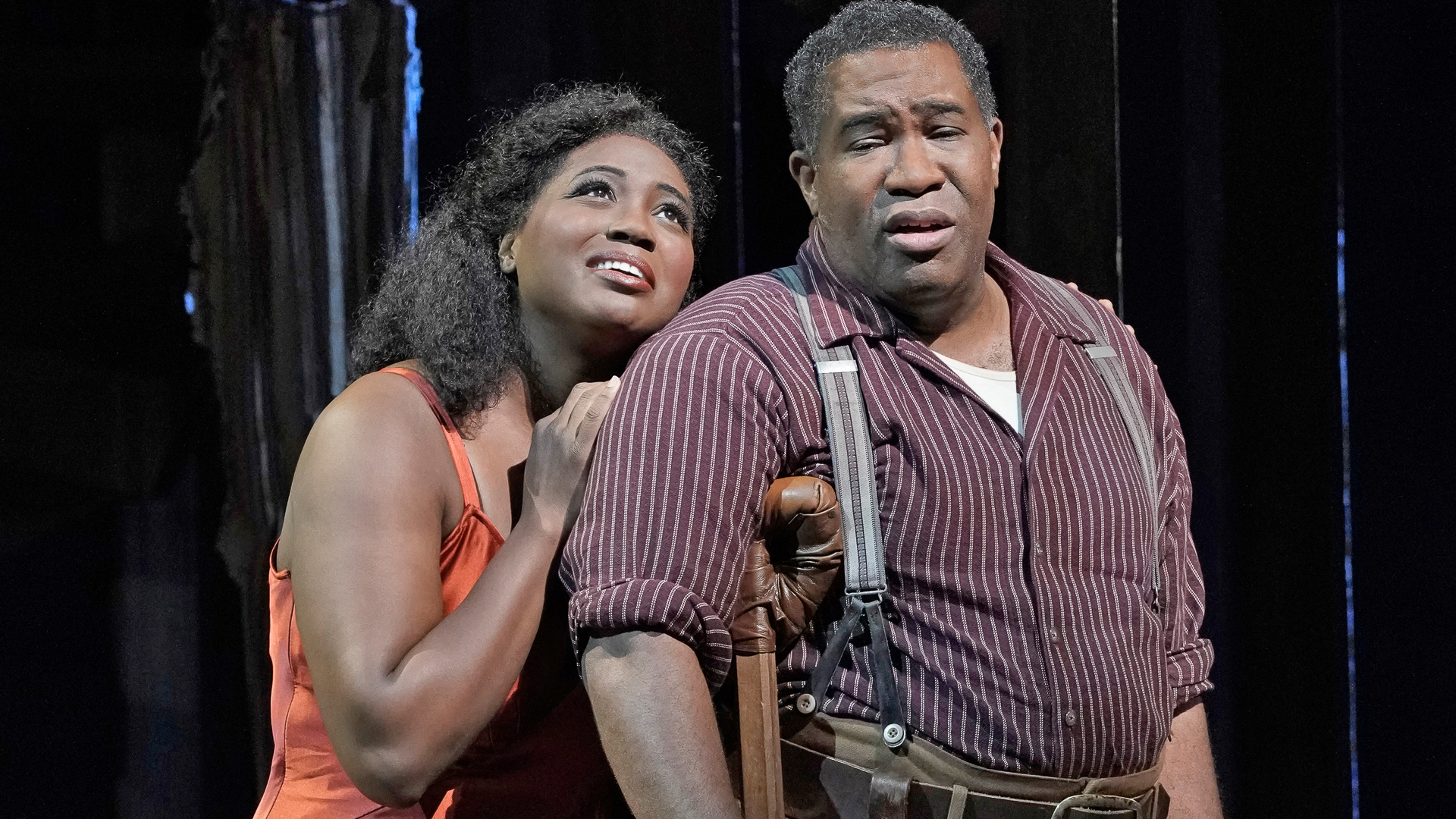
Folk tale. Sing-a-long staple. Twentieth century masterpiece. Porgy and Bess is beloved for many reasons, but there’s probably none greater than being America’s opera. The title protagonists ─ lovable cripple, Porgy, and well-meaning drug addict, Bess, offer glimpses of an unlikely love by an even more unlikely pair in the Gershwins’ classic, which features hit tunes like “Summertime”, “I Got Plenty O’Nuttin'”, and “Ain’t Necessarily So”, just to name a few.

Angel Blue as Bess and Eric Owens as Porgy in Porgy and Bess / Metropolitan Opera

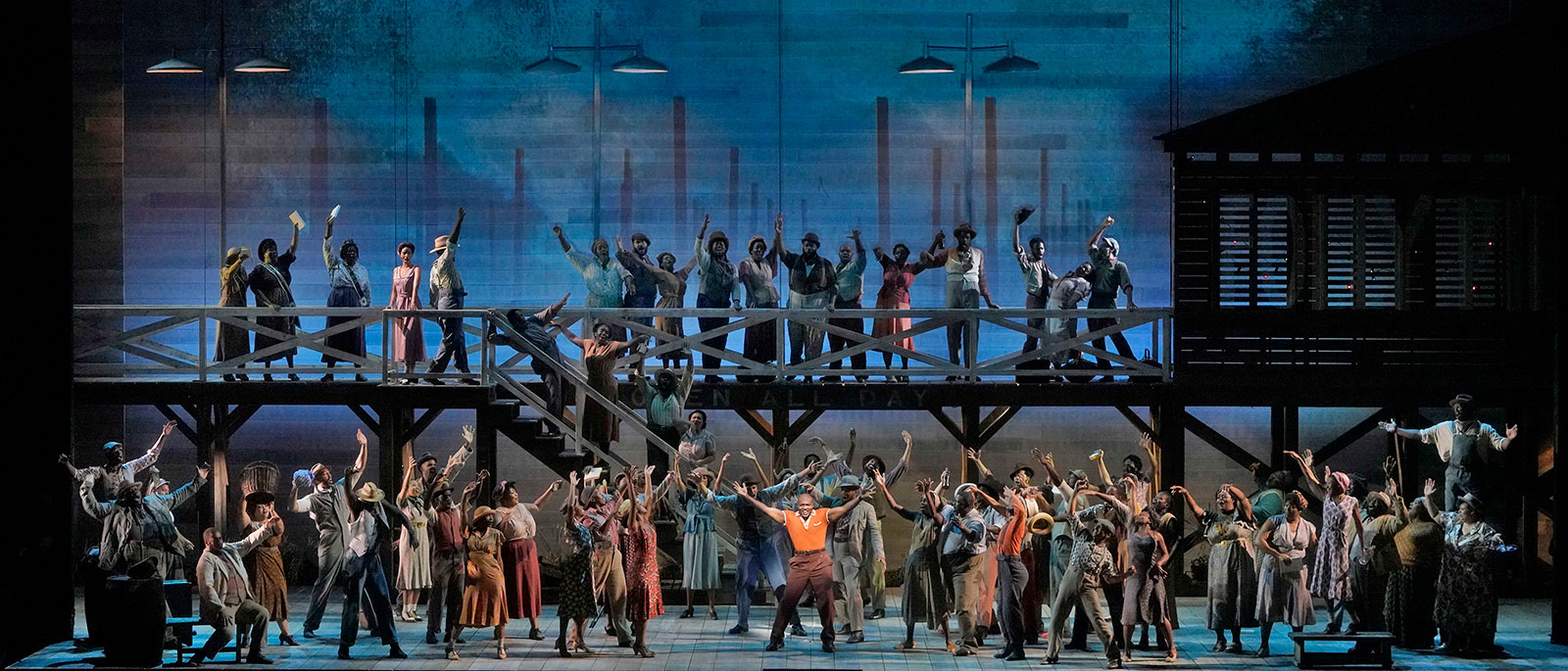
This was the first time in over 30 years that Porgy and Bess was making an appearance at the Met. In James Robinson’s new production, a highly skilled ensemble cast sauntered around the planked floor of Catfish Row, a slum in Charleston, South Carolina. Tough-talking matriarch Maria (played by veteran mezzo-soprano Denyce Graves), devoted young parents Clara and Jake, Bible-thumping Serena, slithering Sportin’ Life, and Bess’s brutish ex-lover Crown rounded out the cast of dynamic characters. While intentionally created to be rudimentary in its design, the linear wood slats of the settlement almost looked like a playground jungle gym with its inhabitants hanging out of open window frames and weaving around the pilings below.

A scene from Porgy and Bess / Metropolitan Opera

Also swinging beneath the rafters was Gershwin’s jazzy score, which easily identified itself as a frequenter of non-operatic revues. Because of its atypical approach in music (it’s not your run-of-the-mill bel canto or verismo !), I couldn’t help but think that Porgy and Bess belonged more on Broadway as a musical than it did at the Met as an opera. There was too much talk and jive and not enough singing for my tastes. Nevertheless, the opera made for an enjoyable afternoon of spirited routines and recognizable melodies.

A scene from Porgy and Bess / Metropolitan Opera

Porgy and Bess takes place during the early 1930’s as the Great Depression doles out its hardships. Along with the coastal Charlestonian locale, where a battalion of reeds stand tall on bordering estuaries, I had plenty of costume ideas swirling in my head… Ultimately, my plan was to blend the two setting features into a feedsack print sundress that would be perfect for a picnic on Kittiwah Island, just as in the opera. Using the past performance pictures from the English National Opera and Dutch National Opera as my inspiration (the Met’s production would be identical), I had my vision set.

Nicole Campbell as Bess and Nmon Ford as Crown in English National Opera’s Porgy and Bess

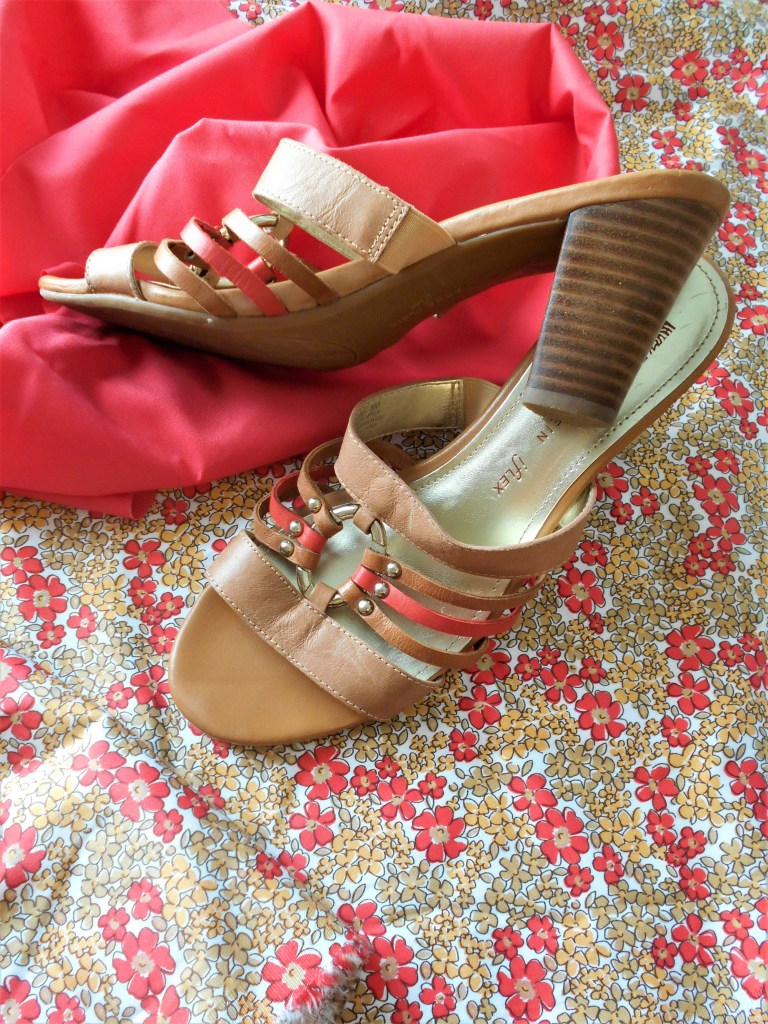
Bess’s picnic dress conveyed a myriad of 1930’s details in its design: underbust gathers, a separate waist yoke, and buckle tie bows to embellish the frock. Locating the right material was the first step and boy, did I find it ! I had one uncompromising requisite when shopping and that was that the fabric chosen HAD to match a pair of strappy block heel sandals I had in my closet. No exceptions ! Although I had perused the web and ordered samples in search of my ideal “feedsack floral”, I wasn’t wholly satisfied with the printed patterns and/or the colors… until I opened the newest edition of my swatch club mailer and pointed to a cotton stretch poplin. “That’s it !” I rejoiced.

Cotton stretch poplin and coordinating pocket lining material with block heel sandals

The fabric matched the shoes almost perfectly and I was (mostly) pleased with my cute 30’s sundress. Too bad the weather was nasty the day of the opera… I had to bundle my bare legs in a blanket at the theater because of the cold, wet February front that had wafted its way across the state. Ick !

The weather may have been less than ideal that day, but the warmth of “Summertime” and the endearment of America’s greatest opera, Porgy and Bess, were enough to hearten the shrillest skies.

Toi, Toi, Toi,

Mary Martha


Curious about how I fashioned my feedsack frock ? Check out my tutorial post on its creation !

Cast and Credits:

Porgy and Bess ─ George Gershwin (1935)
Live in HD air date: February 1, 2020

Cast:
Bess ─ Angel Blue
Clara ─ Golda Schultz
Serena ─ Latonia Moore
Maria ─ Denyce Graves
Sportin’ Life ─ Frederick Ballantine
Porgy ─ Eric Owens
Crown ─ Alfred Walker
Jake ─ Donovan Singletary

Credits:
Conductor ─ David Robertson
Production ─ James Robinson
Set Designer ─ Michael Yeargan
Costume Designer ─ Catherine Zuber
Lighting Designer ─ Donald Holder
Projection Designer ─ Luke Halls
Choreographer ─ Camille A. Brown
Fight Director ─ David Leong
Live in HD Director ─ Gary Halvorson
Host ─ Audra McDonald

Met Stars Live in Concert: Lise Davidsen

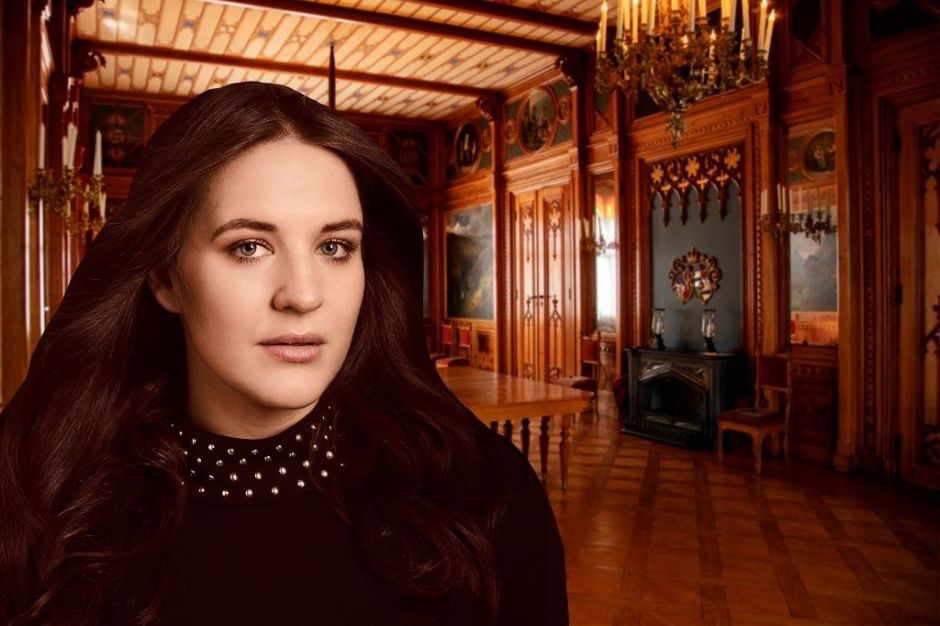
Relatively unknown to the world, dramatic soprano Lise Davidsen has been forging a meteoric rise to stardom with her powerful voice that has some critics calling her “the great Wagnerian promise of her generation.” With as much hype (and height ─ Lise is nearly 6’2″ !) surrounding the shy, Norwegian native, my interest in seeing this uncut gem perform was keener than usual.

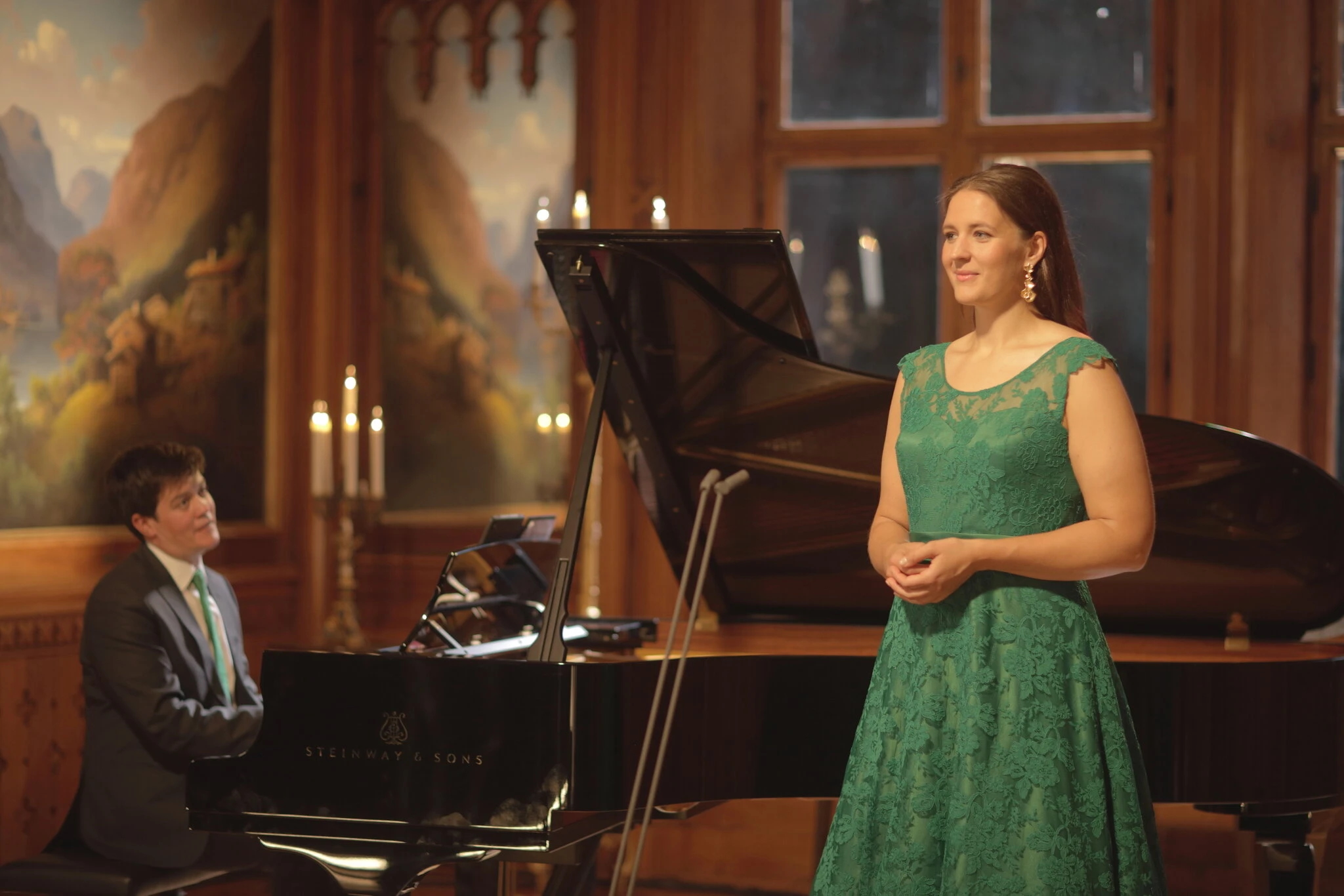
Lise Davidsen performing at Oscarshall Palace with James Baillieu accompanying / Metropolitan Opera

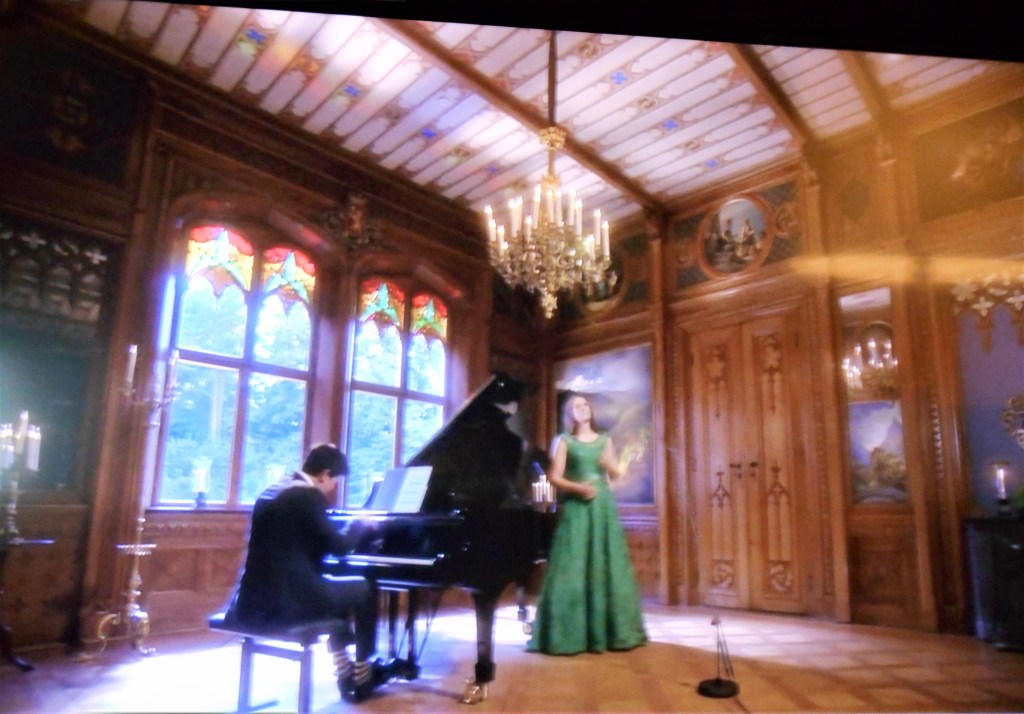
Although lacking the total confidence that accompanies decades of professional stage experience, Lise’s humble, offhanded spirit brought a refreshing genuineness to her performance, which included a weighted set list of Wagnerian arias, Grieg, Verdi, and Strauss. There was a little bit of everything, so much so that the program felt like a potluck dinner party. Britten’s “Johnny” was playful with sultry low notes, Strauss’s Op. 27 was sublime, and “I Could Have Danced All Night” was a sugary charmer with James Baillieu’s scrumptious piano tip-tapping away. Adding to the ambiance was the stately Oscarshall Palace dining room, which easily recalled images of “Beauty and the Beast” to my fairy tale mind.

Lise Davidsen and James Baillieu performing at Oscarshall Palace in Oslo, Norway / Metropolitan Opera

The Cuisine

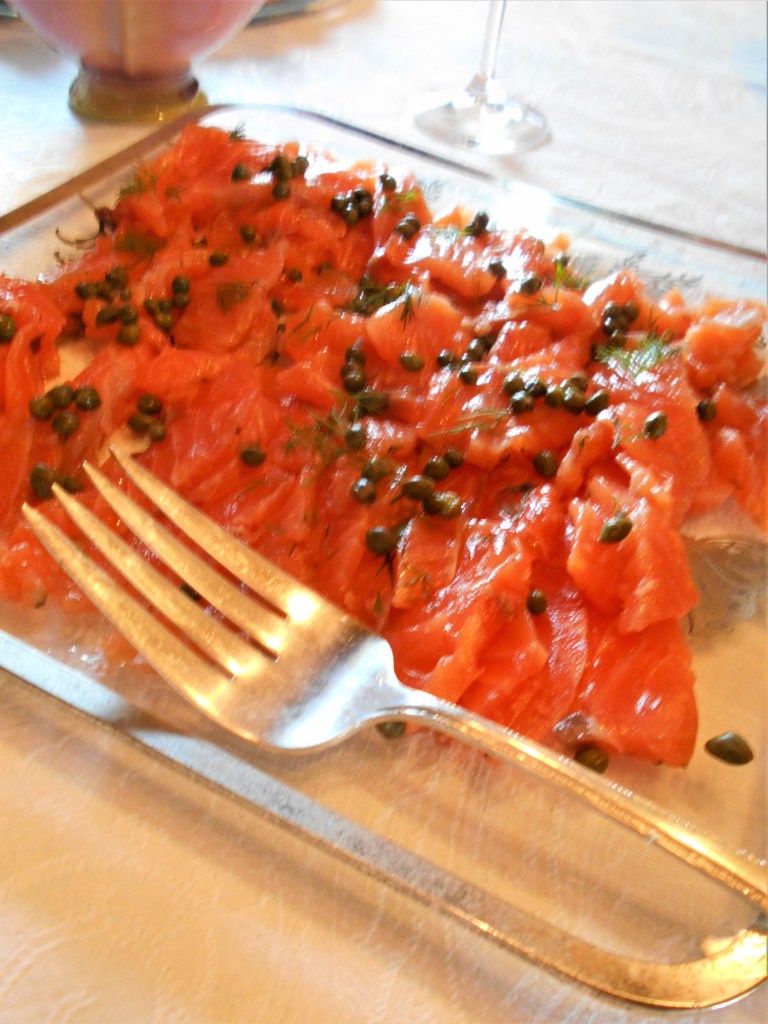
Known for its simplicity and seafood, catering our escape to Norway brought out new ideas and enticing recipes to attempt. Chris couldn’t resist trying her hand at gravlax and it was a smashing success ! Cured with salt, sugar, peppercorns, and dill, the sliced salmon was flavorful yet subtle.

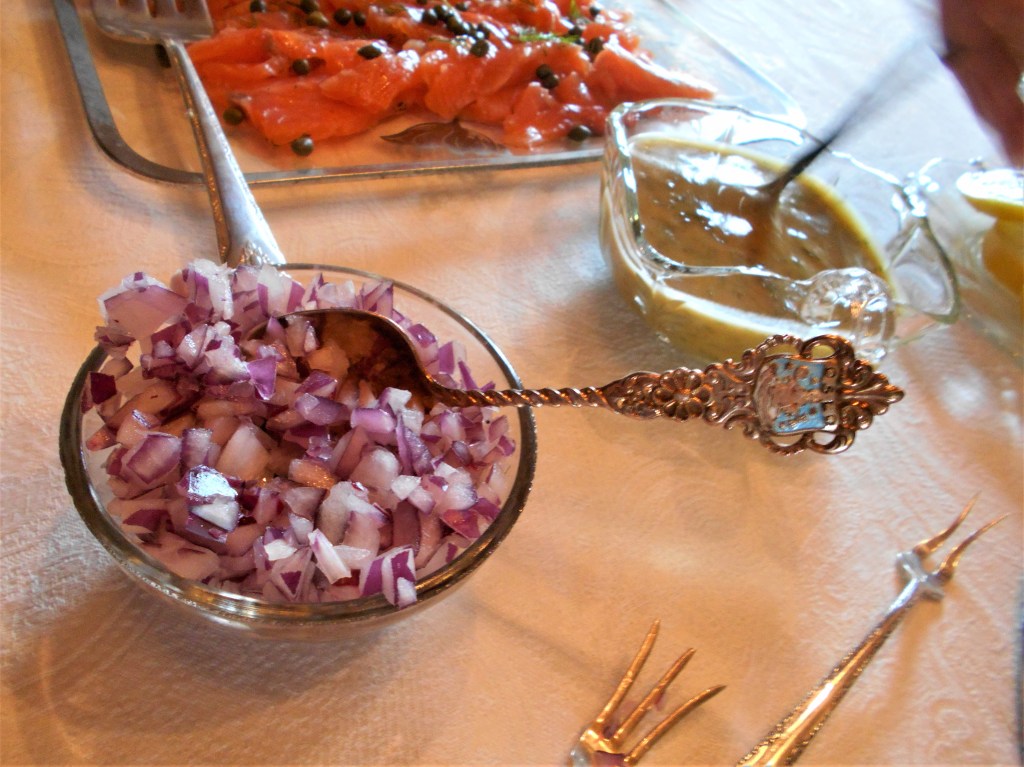
Pairing marvelously with traditional mustard dill sauce, minced red onion, and a dribbling of capers, the feast was in running order. Please examine the filigreed handle on the spoon: coincidentally, it says ‘Oslo’ ─ how fitting !

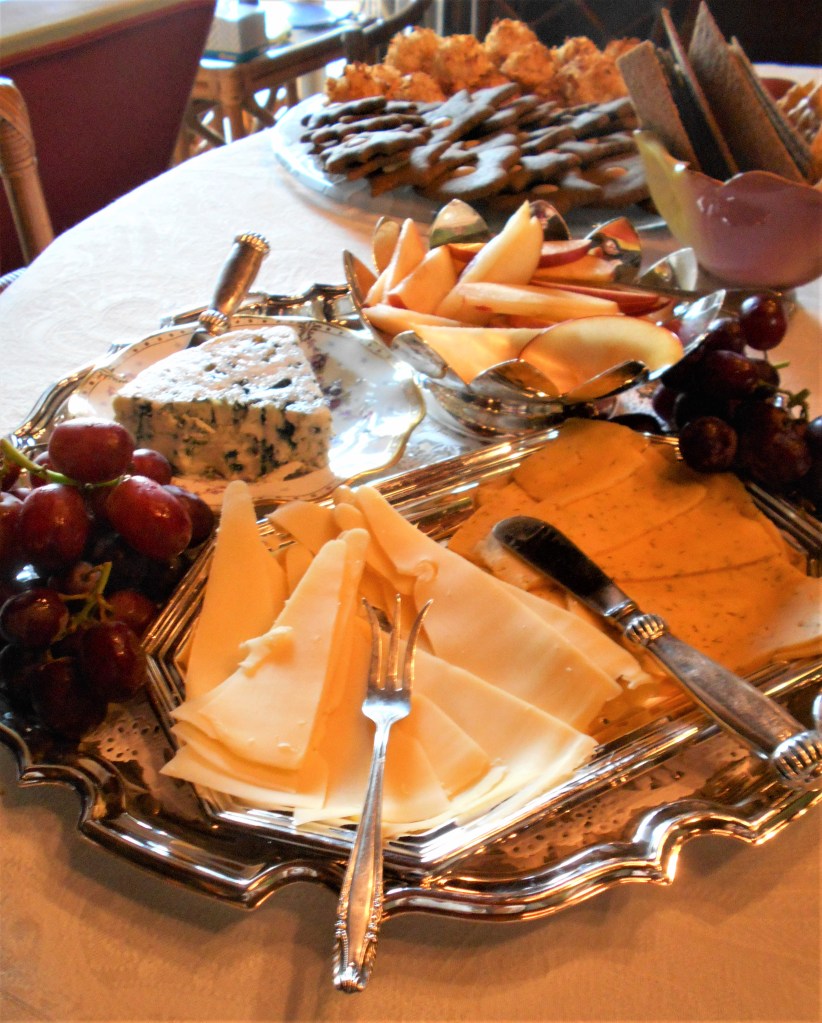
Caraway crackers and rye bread were used as the foundation for the salmon and just look at how gorgeous Anne’s cheese tray was next to my platter of homemade cookies !

From left to right: Danish blue, Jarlsberg, and Havarti with dill

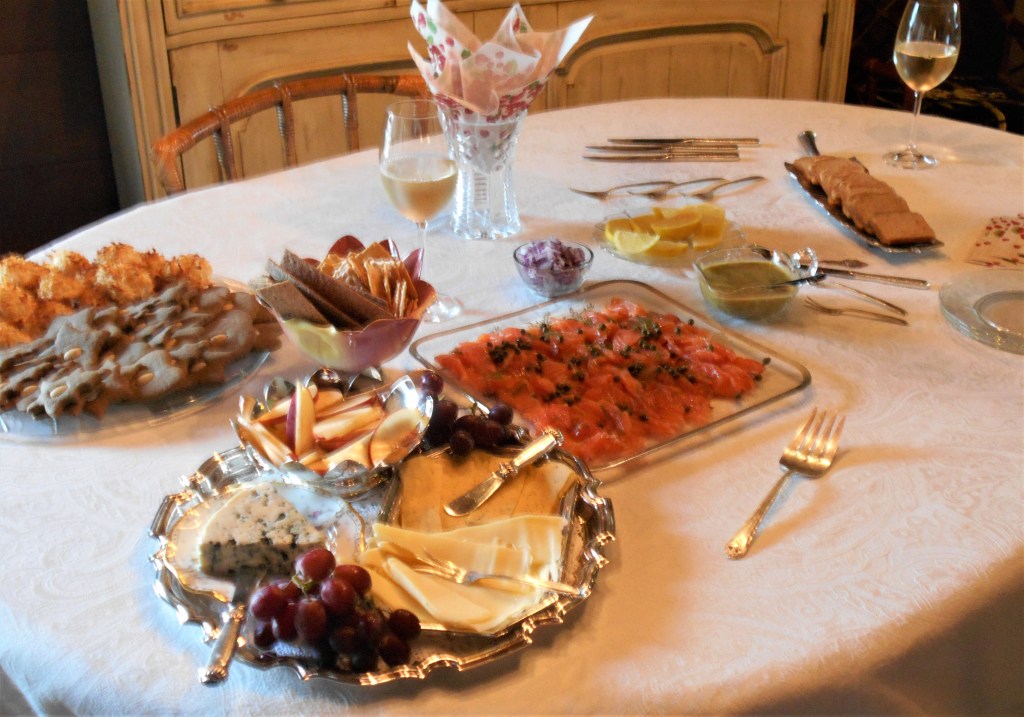
We do eat well at our little opera watch parties, that’s for certain ! The table was spread with delicacies from “The Land of the Midnight Sun” with a fanfare of ligonberry napkins serving as a makeshift flower arrangement.

You wish you were here with me !

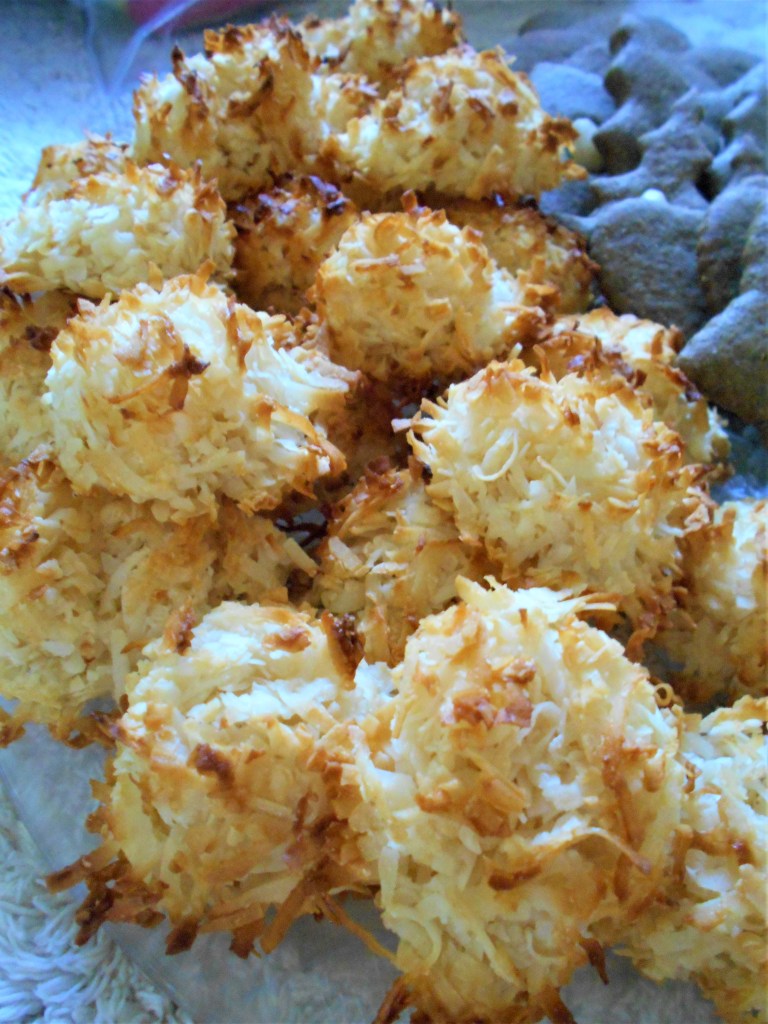
Originally planning to bring a rye flour cardamon yeast bread with raisins, I scrapped that endeavour after the initial test run was a complete flop. I then switched my focus to traditional Norwegian Christmas cookies, like sirupsnippers and coconut macaroons…

Because of my dietary restrictions, I made the cookies with rye flour, coconut sugar, and maple syrup ─ no white flour, no white sugar ! The macaroons were especially artistic with their torched tips of flaked coconut.

The Clothes

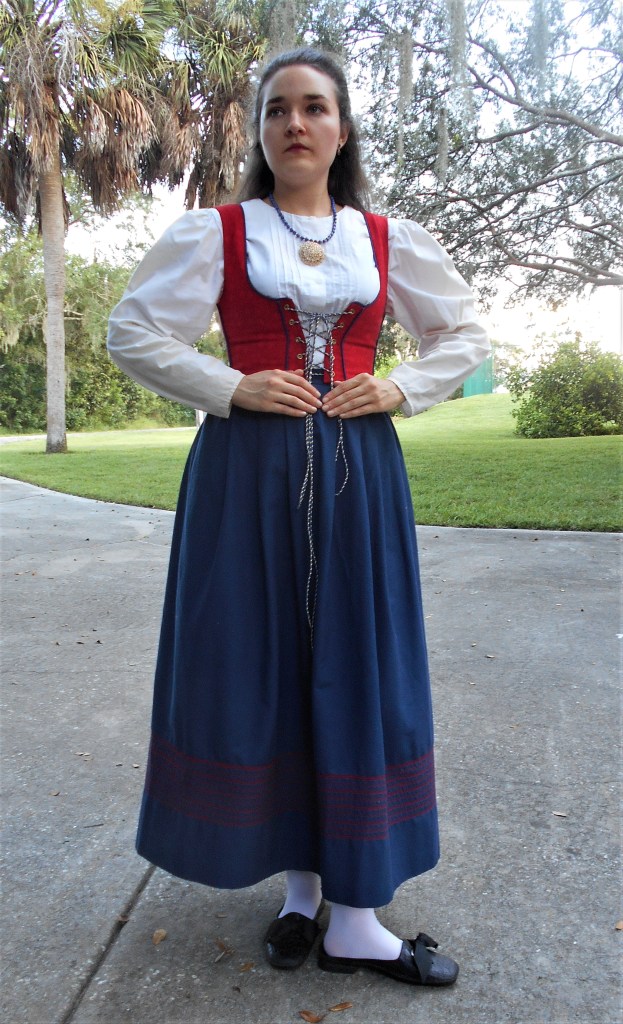
When the concert location was announced, there was no hesitation as to what I would wear. Earlier in the year, I had sewn a Norwegian bunad costume for The Flying Dutchman that never was and so I’ve had a skirt and vest laying around the nether regions of my bedroom for months. Now with the perfect opportunity, I wore one of my mother’s blouses (swooping collar turned right side in for greater authenticity) under my sewn additions, which were based off a German dirndl pattern.

The palm trees in the background certainly don’t match the sub-arctic Norwegian landscape, but at least my outfit resembled the North Country. Mission accomplished !

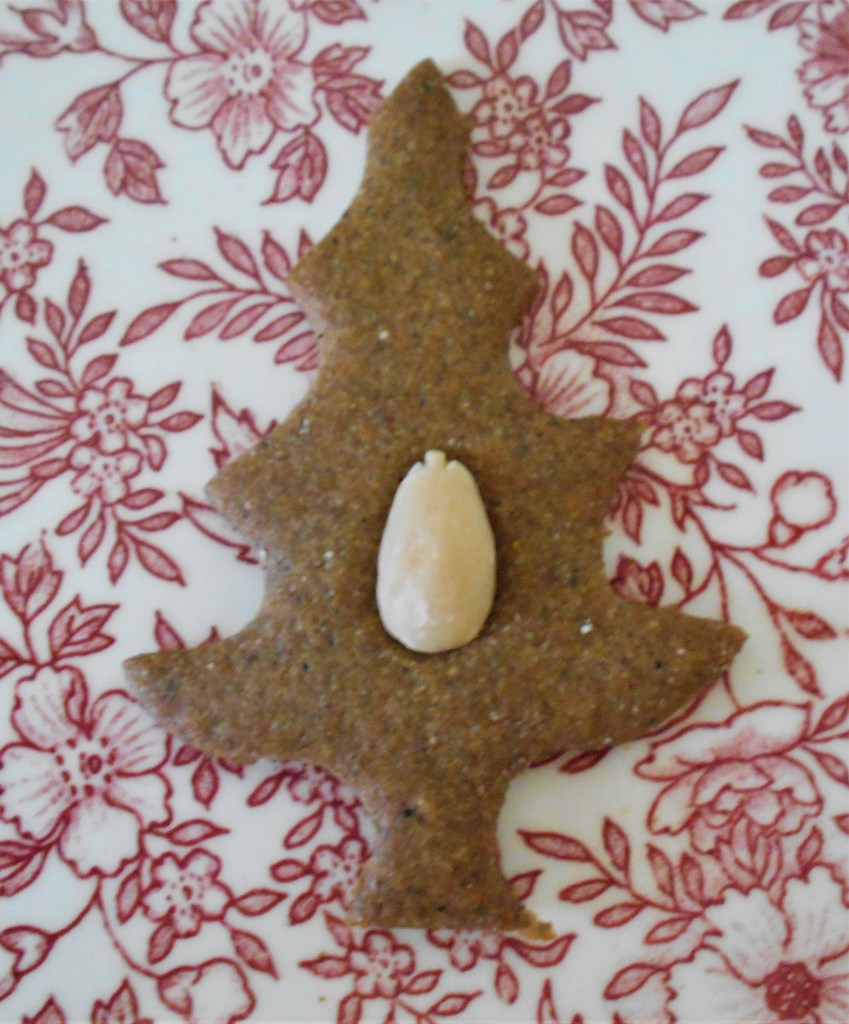
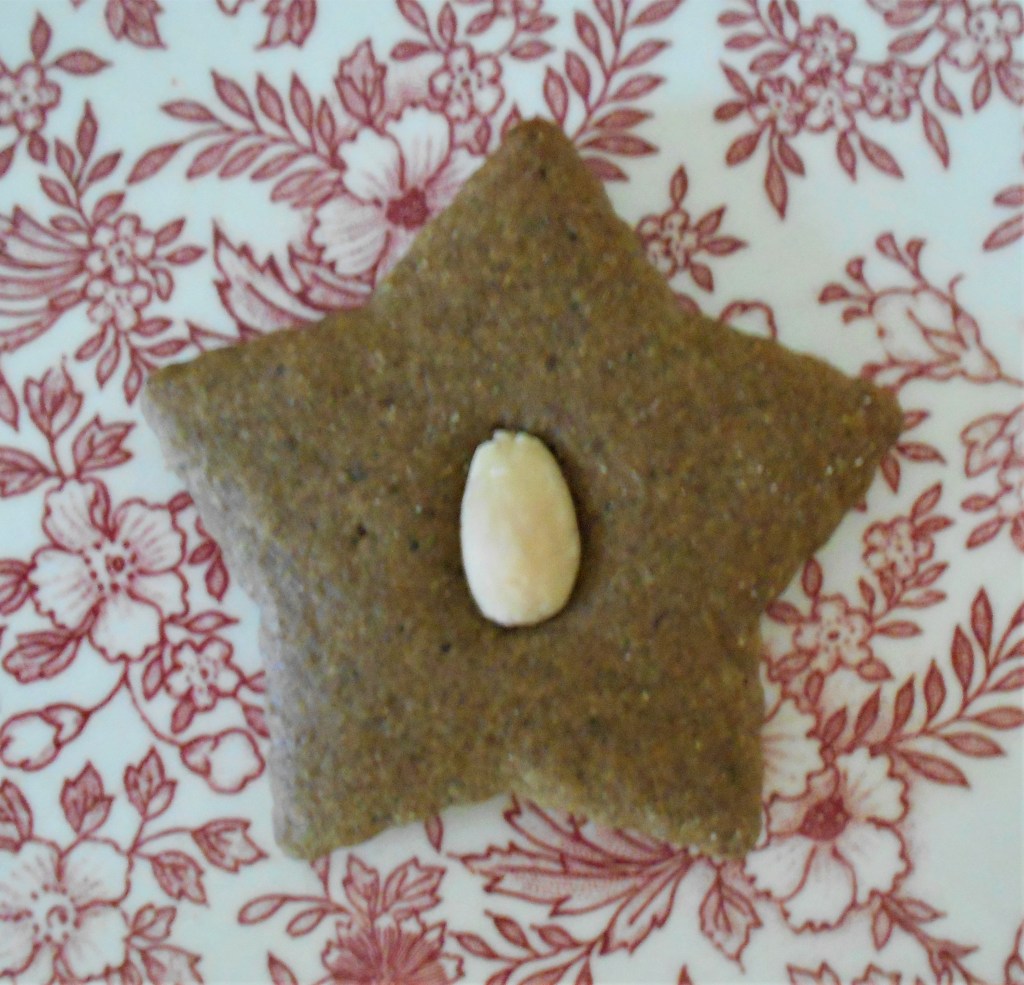
Told by the cut caricatures of the sirupsnipper cookies, the fourth Met Stars Live In Concert event could be summed up as such:

From the forests of Norway…

…rising star Lise Davidsen brought her talents to a concert…

…broadcast around the world…

…where she won our hearts !

Hopefully, Lise Davidsen’s return to the Met will be soon; her voice (in addition to her country’s culinary specialties) were delectable !

Toi, Toi, Toi,

Mary Martha

Cast and Credits

Met Stars Live in Concert: Lise Davidsen
Oscarshall Palace
Oslo, Norway
Live broadcast date: August 29, 2020
(Date seen: September 2, 2020)

Lise Davidsen ─ soprano
James Baillieu ─ piano

La Traviata ─ the Red Dress Disaster

At last ─ a new production of La Traviata ! If you recall, I was not a fan of the previous Met production of Verdi’s timeless tale. A gender fluid mob of tuxedoed chorus members and a bald-faced clock certainly didn’t fit within my perceptions of the glittering Parisian world of Violetta Valéry.

Willy Decker’s production of La Traviata / Metropolitan Opera

Thankfully, that production is now old news. With Michael Mayer stepping in to create a new Traviata, I was more than enthused to supplant a fresh image in my mind of how La Traviata should be staged. The released promotional design concepts seemed promising for an enchanting, whimsical production.

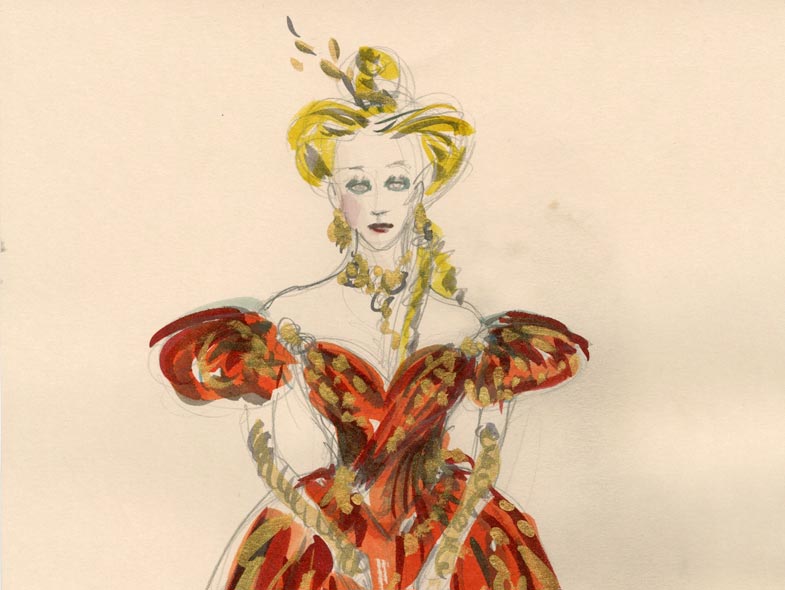
Design concept for Michael Mayer’s production of La Traviata / Metropolitan Opera

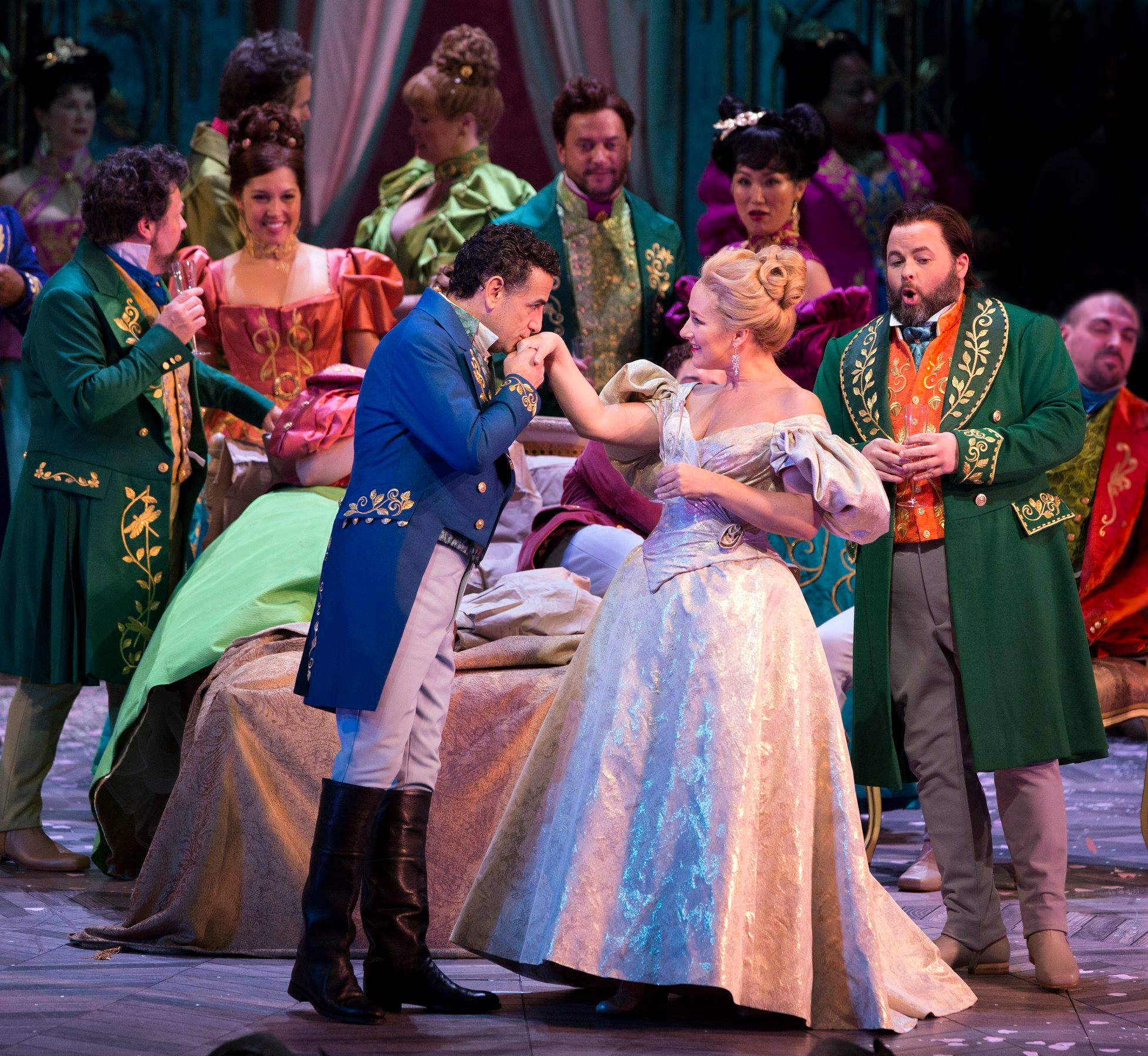
While living up to my expectations of a more traditional Traviata, I wouldn’t call it a hands-down winner. Christine Jones’s sets were beautiful, as were Susan Hilferty’s costumes, but the brightness of the colors and the curly embroidery detailing on Alfredo’s jacket (and the chorus members’ attire) could only summon to mind a Disney musical on Broadway.
All things considered, I was pleased by this production of La Traviata and how it partially fulfilled what had been my initial hope: to see a traditionally set performance of opera’s immortal tragedy.

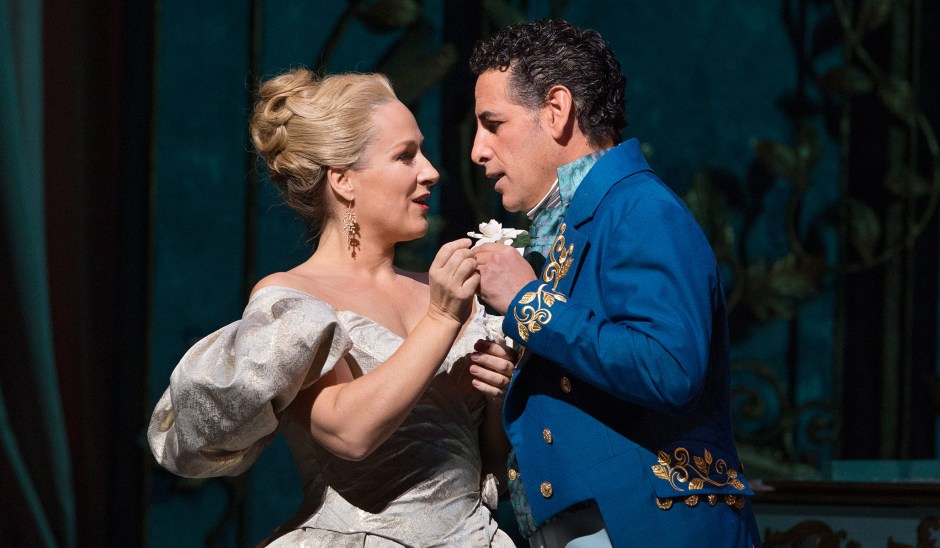
Juan Diego Flórez as Alfredo Germont and Diana Damrau as Violetta Valéry in La Traviata / Metropolitan Opera

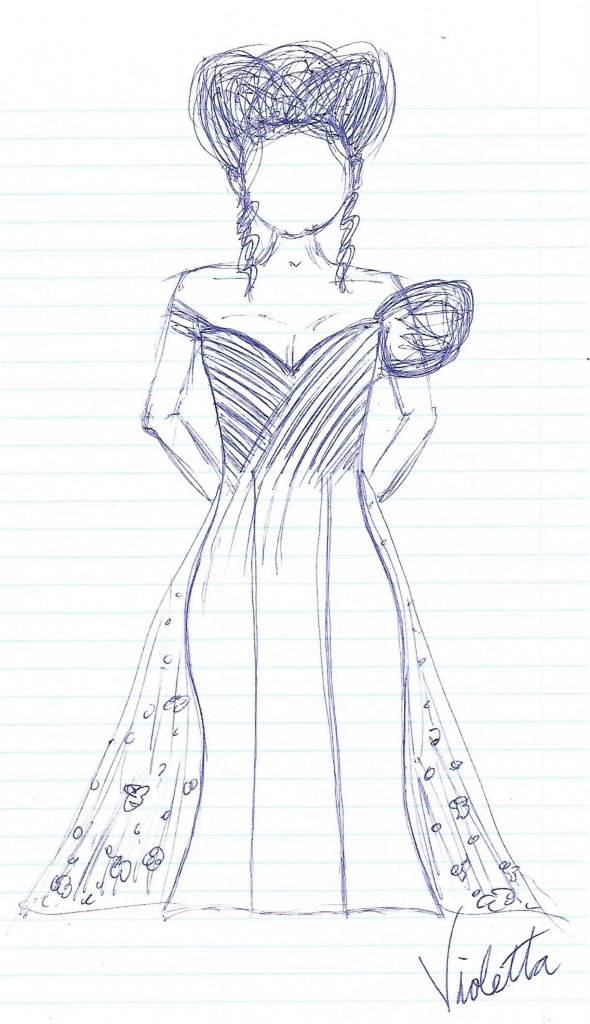
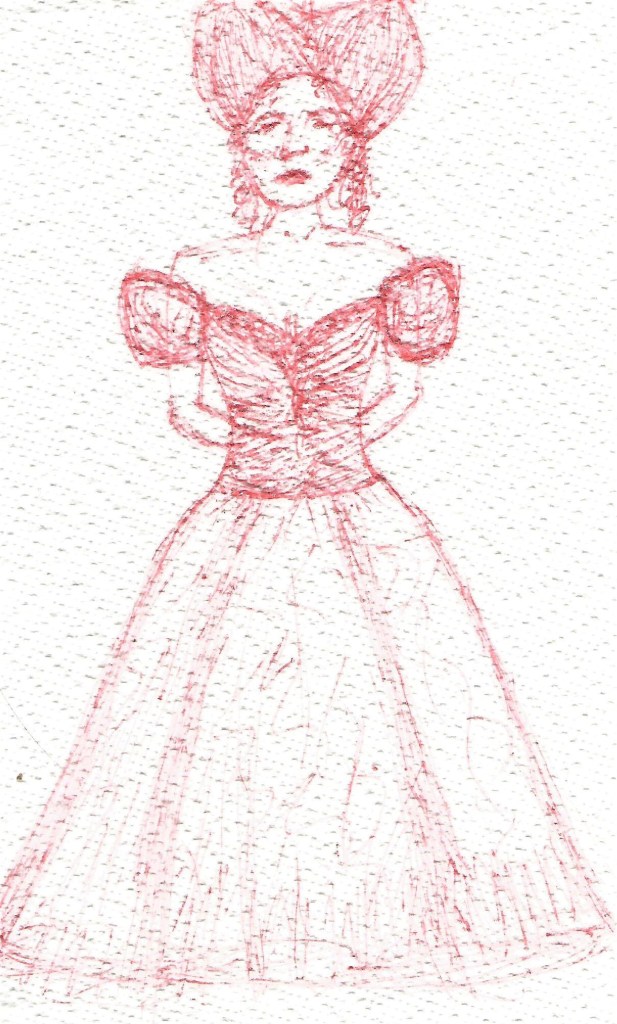
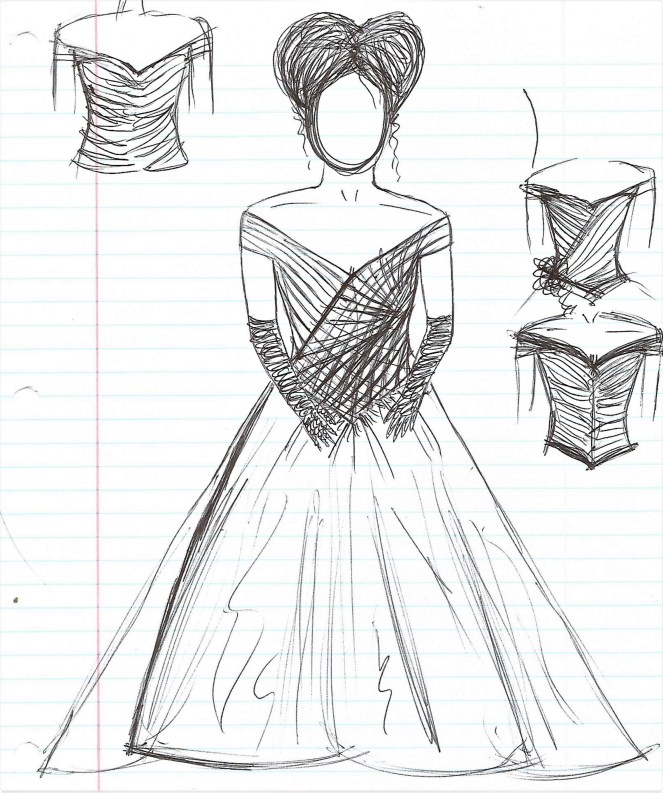
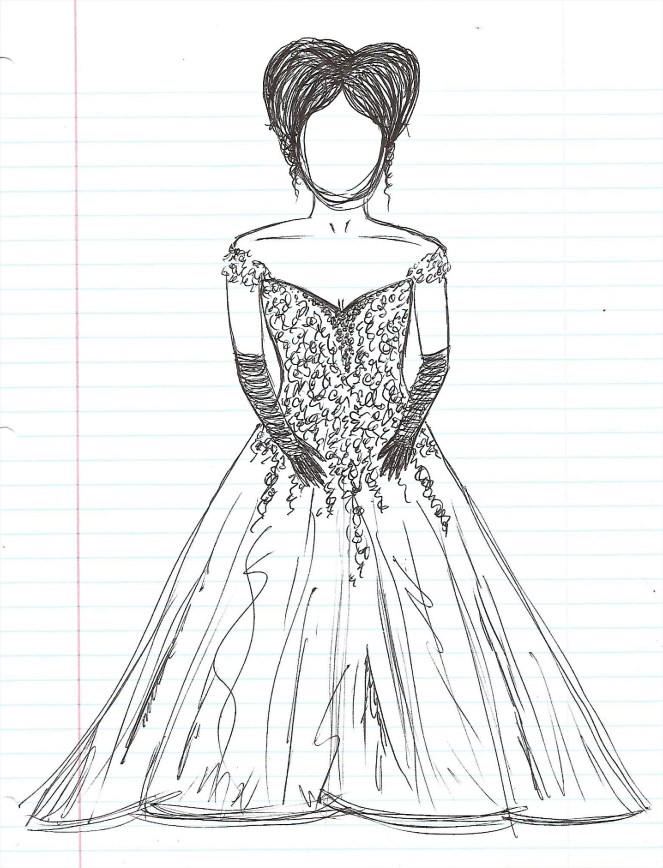
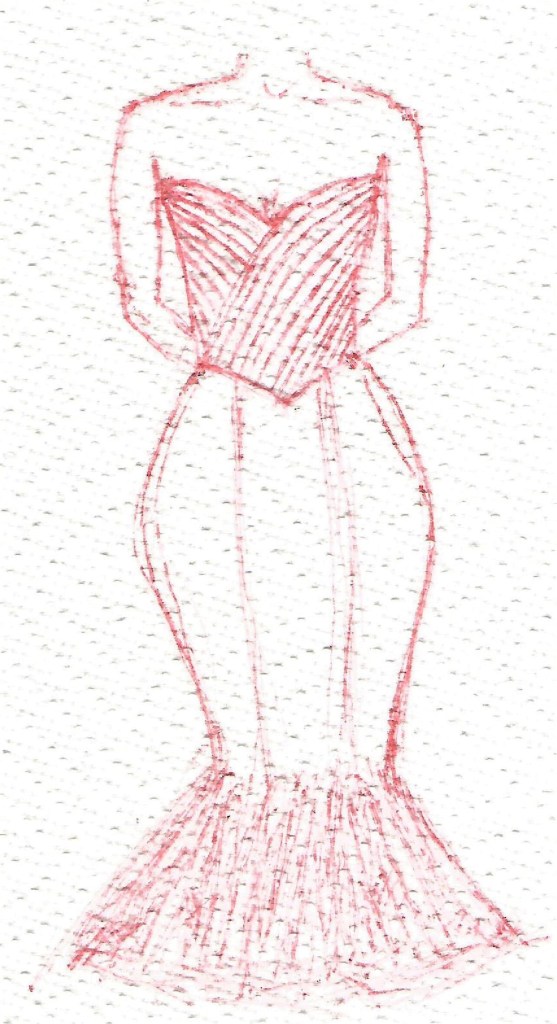
Costuming possibilities are rich for Traviata ! Voluminous skirts, statement bodices, and historical implications all play a part in most mainstream performances. Since Michael Mayer’s production was making its world debut at the Met, I had no past performance pictures to reference for designing my costume. All that was available was one promotional sketch released by the Met.

Ambiguously lost between the 18th and 19th centuries, the image lacked the clarity I needed to carry out my design plans. My struggles with coming to a creative solution reached near delirium as I fiddled with different gown styles and ornamentation to no avail…

Eventually, I e-mailed Susan Hilferty, the costume designer for the opera, fishing for possible details. Unsurprisingly, the bait remained on the hook.
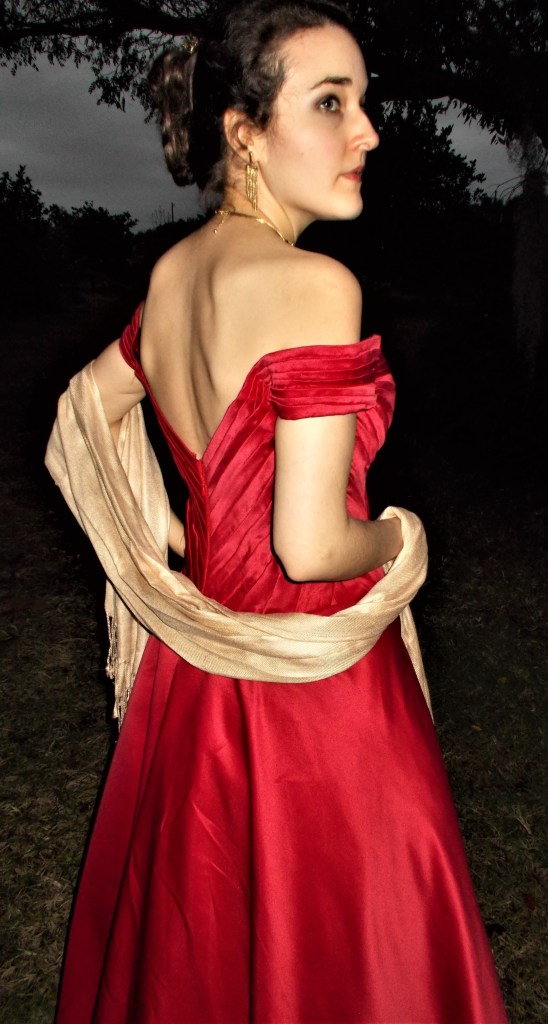
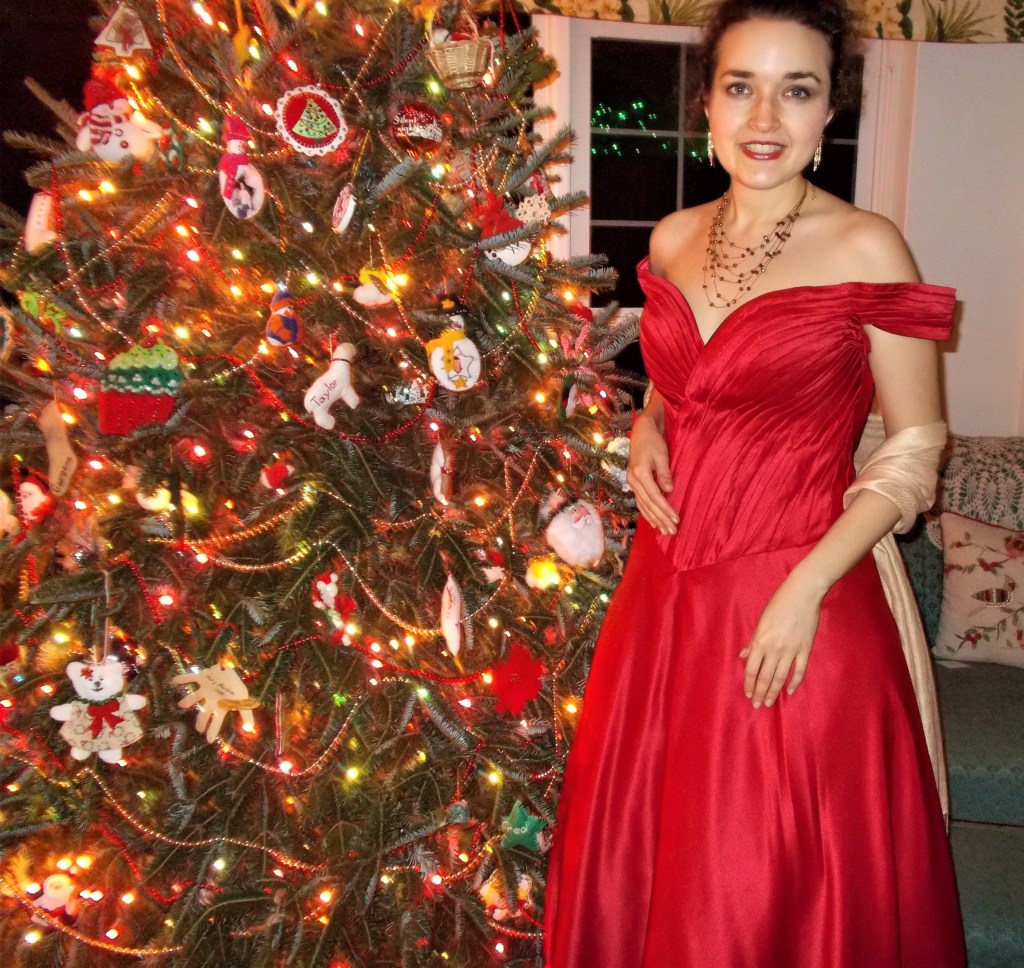
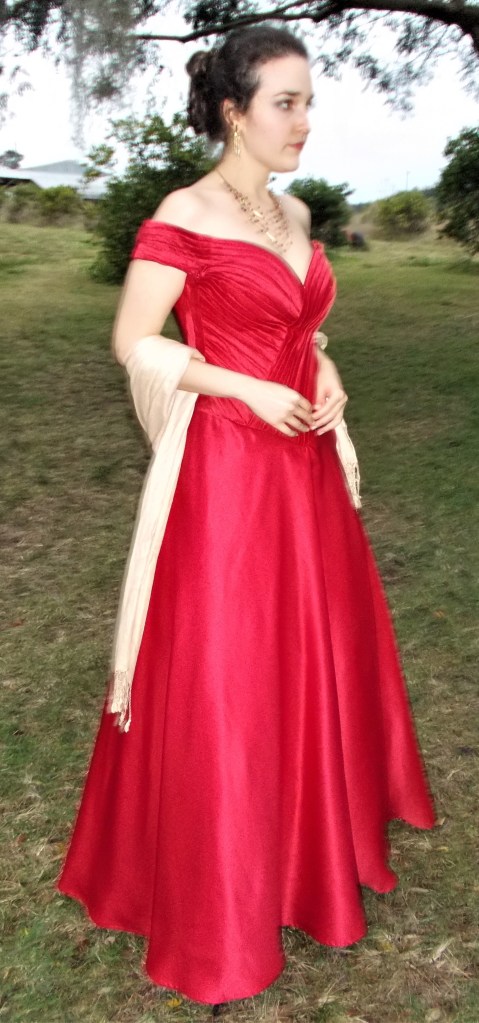
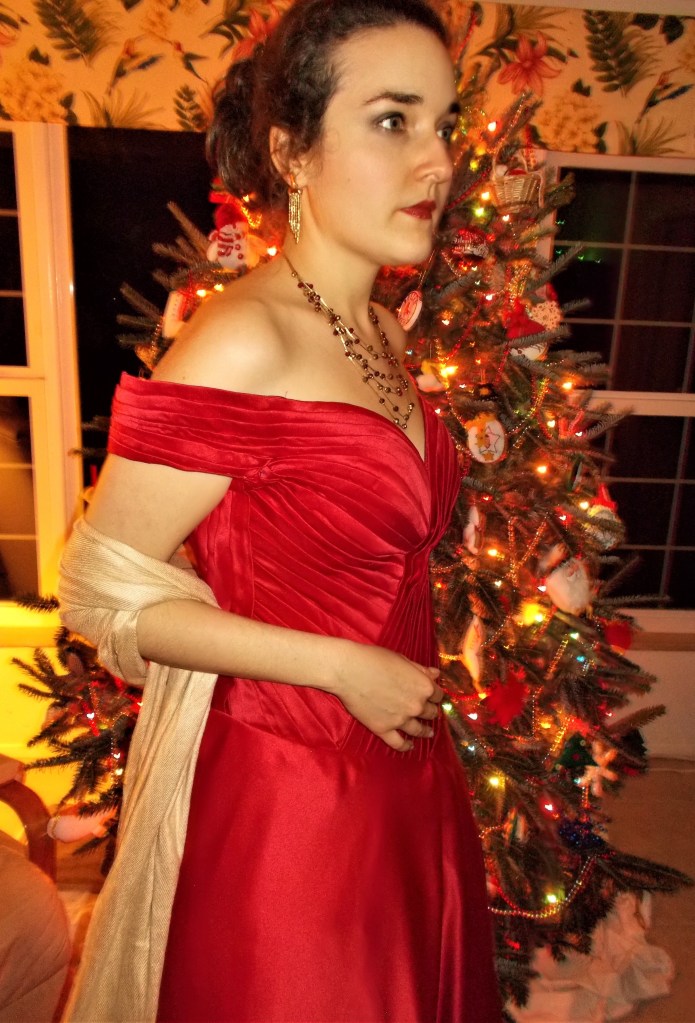
With time running out, I resignedly choose a similar style as the promotional sketch. And since the Live in HD broadcast was scheduled just 10 days before Christmas, how could I go wrong with a stylish scarlet gown ?

I categorized this dress under ‘Couture’ because of its showstopping grandeur and formality. But don’t be fooled─ its interior was a mess ! In preparation for draping the outside of the bodice, I sewed the lining only. Multiple fittings promised a success.

Less than a week before the opera, I carefully began folding and manipulating strips of my red matte satin and pinning them to the bodice, arranging them attractively as I went. Once the drapes were secured, I steam pressed them and was ready to try on the gown for the final fitting…

However, when I slipped into the gown, it swallowed me like an engulfing wave ! The dress was HUGE and I didn’t know why… It fit perfectly before I applied the drapes. Panic struck as it was the day before the opera and I didn’t have a dress to wear ! The rest of the day was spent taking in the central back seams and resewing the zipper innumerable times. Each alteration led to another problem and now I was seriously contemplating a Plan B. Finally, at 8:30 p.m., I finished altering the dress to where I felt confident that it wouldn’t fall to the floor as I wore it to the opera. What a close call !

Oh, but I wasn’t out of the woods yet… Throughout the day at the theater, I felt the dress becoming larger and looser with every movement. Fear of a ebbing gown pressed against the forefront of my mind as I consciously made efforts to prevent an embarrassing situation from occurring.
Unzipping the gown in the evening was an utter relief ─ I made it through the opera without a wardrobe malfunction !

Pretty on the outside, tragic on the inside… It’s almost as if the dress had been Violetta herself. And also like Violetta, the long red dress was permanently retired.

Toi, Toi, Toi,

Mary Martha

Cast and Credits:

La Traviata ─ Giuseppe Verdi (1853)
Live in HD air date: December 15, 2018

Cast:
Violetta Valéry ─ Diana Damrau
Alfredo Germont ─ Juan Diego Flórez
Giorgio Germont ─ Quinn Kelsey

Credits:
Conductor ─ Yannick Nézet-Séguin
Production ─ Michael Mayer
Set Designer ─ Christine Jones
Costume Designer ─ Susan Hilferty
Lighting Designer ─ Kevin Adams
Choreographer ─ Lorin Latarro
Live in HD Director ─ Gary Halvorson
Host ─ Anita Rachvelishvili

Rolling on the Riviera ─ Aleksandra Kurzak and Roberto Alagna in Concert

“The dynamic husband-and-wife duo of tenor Roberto Alagna and soprano Aleksandra Kurzak give a concert of arias and duets, accompanied by string quintet, from an outdoor terrace in Èze, France, with a spectacular view of the Mediterranean.”

Two for the price of one ? A string quintet ? A château on the French Riviera ? Count me in ! If the description for the third installment of the Met Stars Live in Concert initiative wasn’t appealing already, the set list for Aleksandra Kurzak and Roberto Alagna’s concert was the icing on the cake. Favorites from Puccini and Verdi seamlessly mixed with adorable folk songs from Mexico and Italy, all richly accompanied by the Vienna Morphing Quintet. Below is an abbreviated video of highlights from the concert:

Aside from being a technical feat, the vistas overlooking the pelagic Mediterranean Sea were arresting. Several times during the concert, I found my eyes floating over the floral garlanded railing to espy sleek motor yachts and nearby barrier islands as Aleksandra and Roberto charmed me with their singing and effortless chemistry. Their intuitive camaraderie led to dynamic and touching duets, which also included an overflowing dose of mirth. In what is rapidly becoming the duo’s calling card, the hilarious “love potion” duet from Donizetti’s L’Elisir d’Amore involved a clever prop and crafty English ad libs ─ I was rollicking with laughter watching the two perform !

Aleksandra Kurzak and Roberto Alagna singing “Caro Elisir” from L’Elisir d’Amore in concert / Metropolitan Opera

There were more serious moments as well with Aleksandra singing Desdemona’s “Ave Maria” followed by a melting rendition of the love duet from Otello, in which the darkening sky serendipitously played a role in one of the final lines. Singing “The Pleiades are low in the heavens”, the pair turned to face the azure sky and motioned to the stars just as they were beginning to illuminate. Chills !!!!

Aleksandra Kurzak and Roberto Alagna singing the love duet from Otello in concert

The Cuisine

The concert locale, above all else, provided the best (and most straightforward) watch party theme: Rolling on the Riviera. Provence, with its uniqueness of sights and senses was the central inspiration behind our small gathering at Chris’s home. Each of us chipped in to make the get-together unforgettable. Jayne knew of a terrific French sparkling rosé wine while I was elated to try out Ina Garten’s Provençal Potato Salad, which was chocked full of Provençal ingredients: black olives, capers, haricot verts, cherry tomatoes, scallions, red onion, lots of fresh herbs, flaked tuna, hard cooked eggs, and anchovies. The freshness was equivalent to lounging on a sun-soaked beach chair with the sea mist brushing across your face. In the words of Ina Garten, “How bad can that be ?” The salad is so gorgeous that it was featured as the cover image on the original Barefoot Contessa cookbook from 1999.

The Barefoot Contessa Cookbook and Jayne’s sparkling rosé

I highly recommend the wine and the niçoise-inspired potato salad for an instant summer getaway.

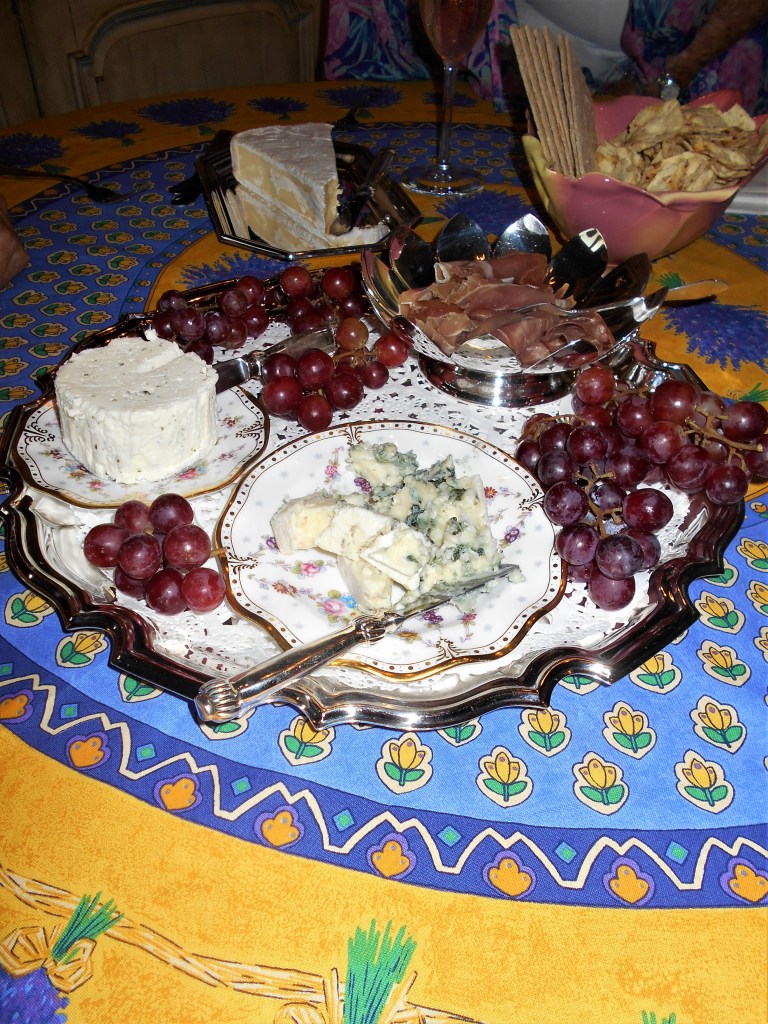
Anne sure knows how to arrange a cheese platter ! Roquefort, Boursin, and Brie, oh my ! And of course, my favorite prosciutto…

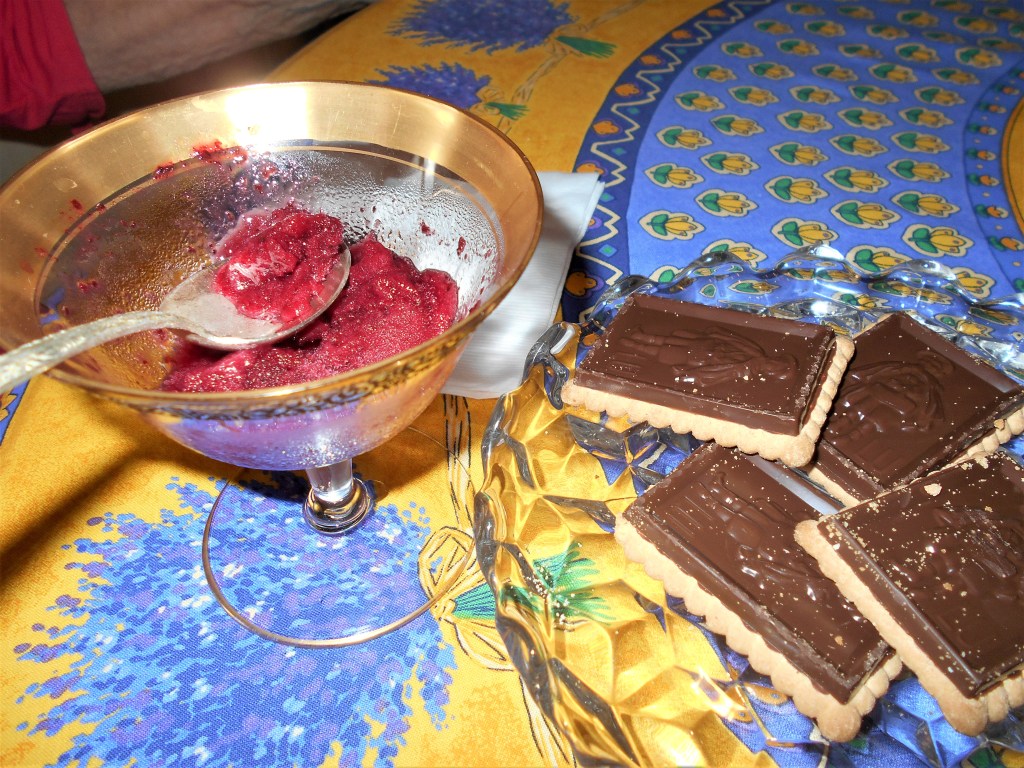
Even Chris, our gracious hostess, made blackberry sorbet to be accompanied with chocolate covered French cookies. Bon appétit !

The Clothes

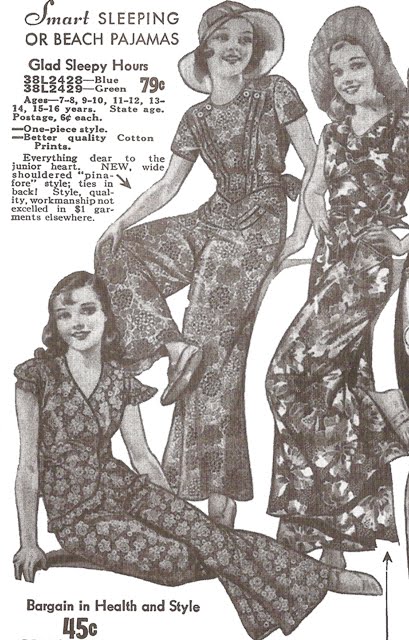
Imagine partaking in a leisurely promenade along one of the coastal towns of the Riviera… what would you wear ? For me, the answer was obvious: beach pajamas !

Made popular in the 1930’s, beach pajamas (or pyjamas) were all the rage on the Riviera where the rich and famous would rendezvous. Women would wear flowy fabrics with grace, oftentimes to dressier occasions spanning into the evening hour. Casual and comfortable, while still oh-so chic, I knew I wanted to sew a set of these beloved beach clothes.

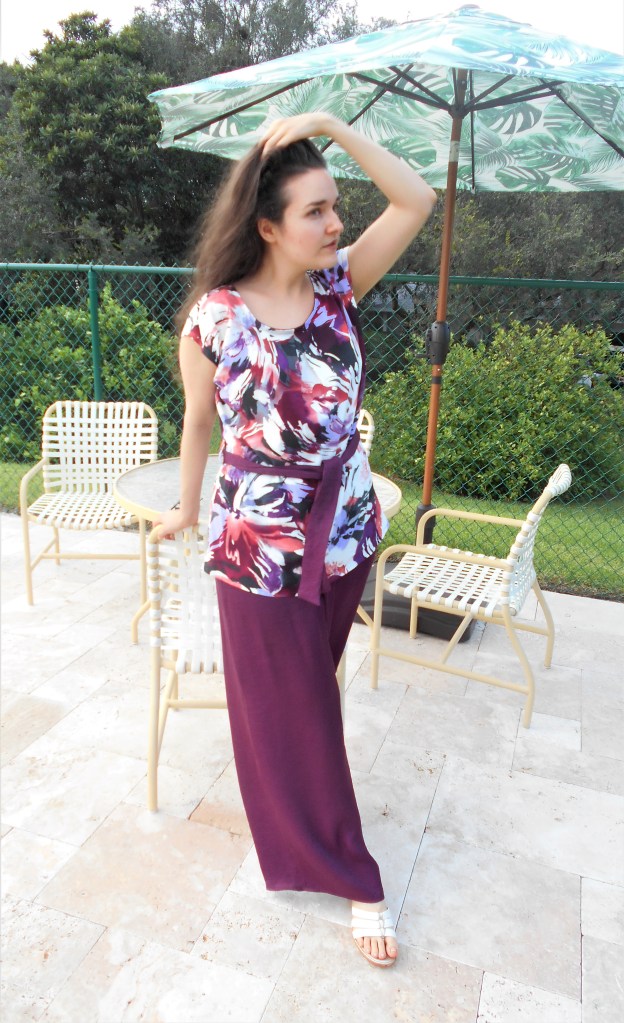
Seeking a two piece style, I contemplated designing my own set until I came across a FREE pattern online from Gertie’s Charm Patterns brand. With a complete sew-a-long tutorial on YouTube showing the details of making the pajamas, the pattern was just right for my needs. With this being my very first “Gertie” pattern, I wasn’t sure what to expect, but found that the pattern was accurately sized with differing cup sizes for an even better fit.

Using a soft rayon challis I bought in June from Julie’s Picks swatch club mailer, I paired it with an equally sumptuous berry-colored material from Fabric Mart’s gorgeous selection of rayon/nylon shimmer satins. Softness and style united as one.

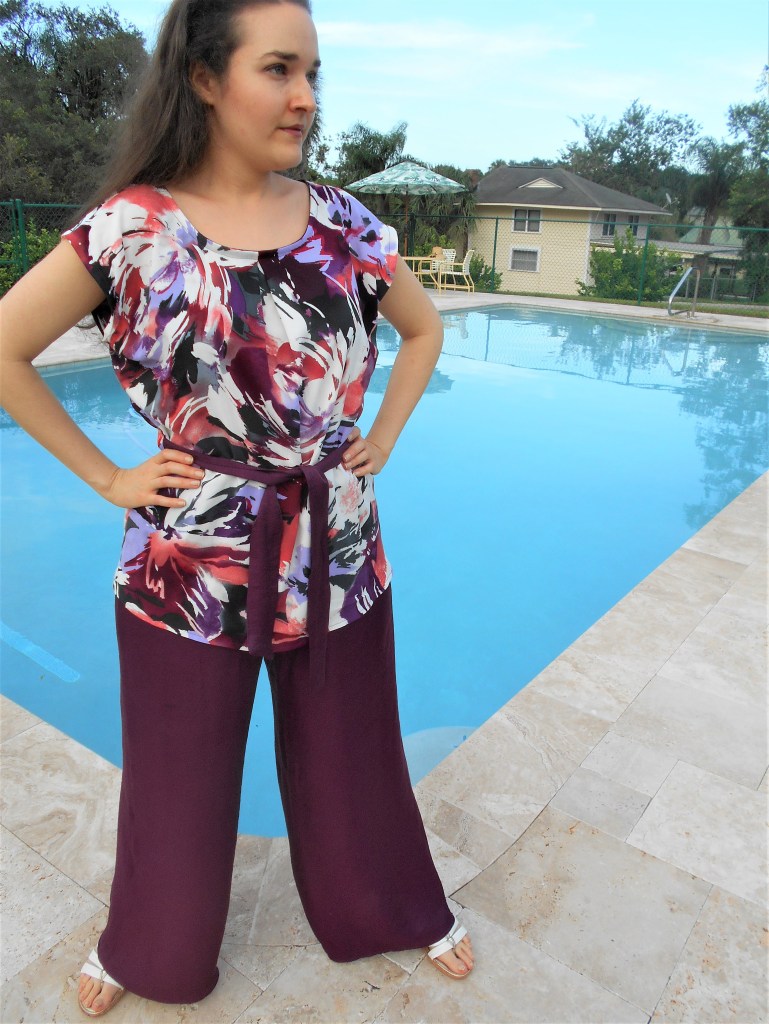
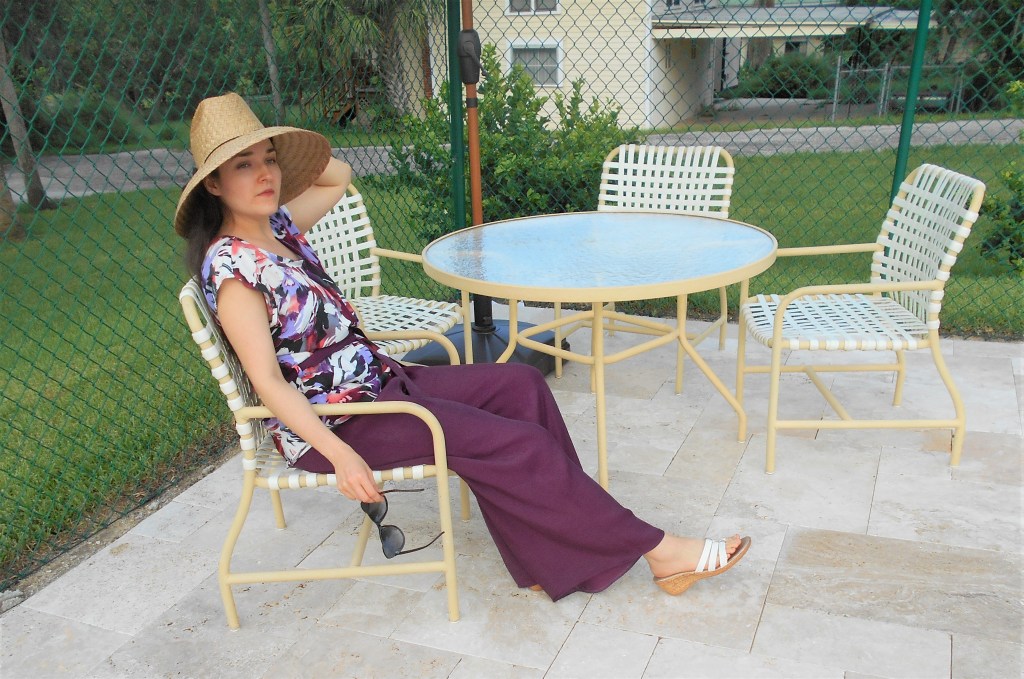
I loved wearing my 1930’s beach pajamas to what transpired as a joyous afternoon in Provence. From the cliffs of Èze to the rolling hills of central Florida, the pleasures of the French Riviera were abundant ─ an uplifting concert, delicious food, and lively conversation… what could be finer ?

Toi, Toi, Toi,

Mary Martha

Cast and Credits:

Met Stars Live in Concert: Aleksandra Kurzak and Roberto Alagna
Château de la Chèvre d’Or
Èze, France
Live broadcast date: August 16, 2020
(Date seen: August 20, 2020)

Aleksandra Kurzak ─ soprano
Roberto Alagna ─ tenor

Vienna Morphing Quintet

Carmen

“Love is a rebellious bird that no one can tame… And if I love you, watch out !”

Act I ─ Carmen

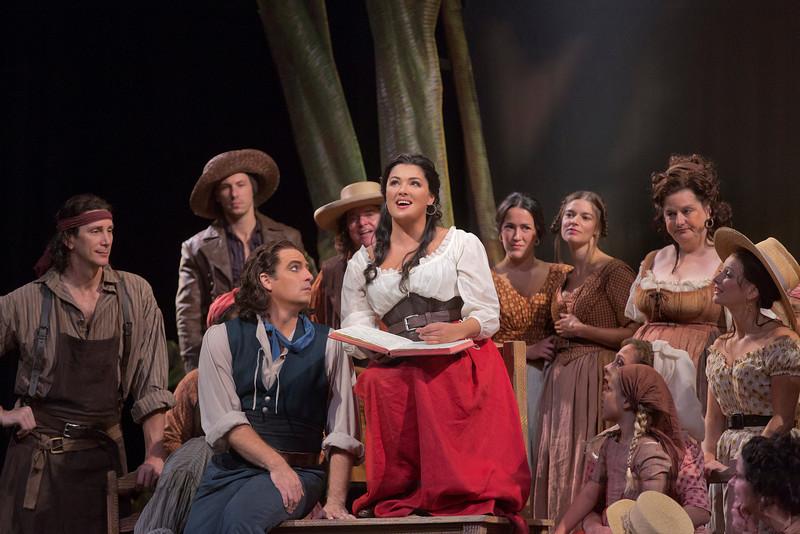
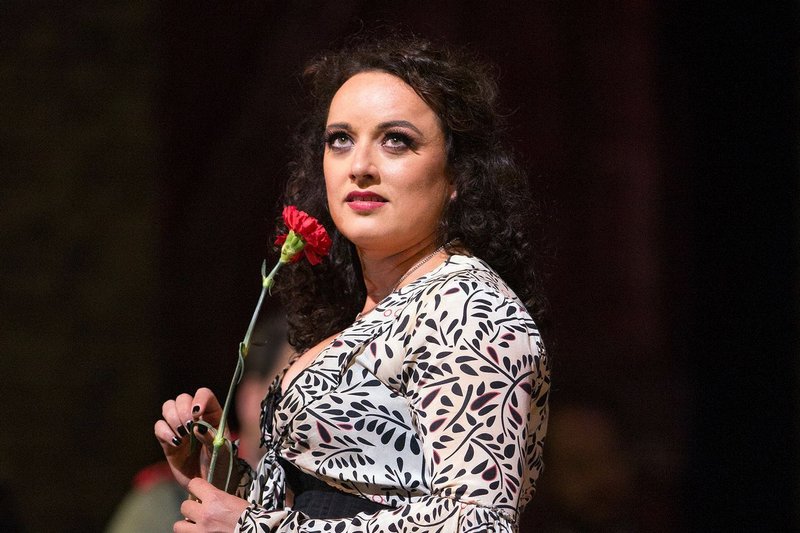
Opera’s most notorious femme fatale finally sashayed her way into the theater after keeping me waiting for years. Truthfully, I have longed to see Carmen for two reasons. First, the bouncing music, which is both tuneful as well as recognizable, is an alluring draw to Bizet’s landmark opera. And then there’s Carmen herself, a meaty role for any mezzo-soprano. Clémentine Margaine, French by birth, slipped into the black dress for this Live in HD performance.

Clémentine Margaine as Carmen / Metropolitan Opera

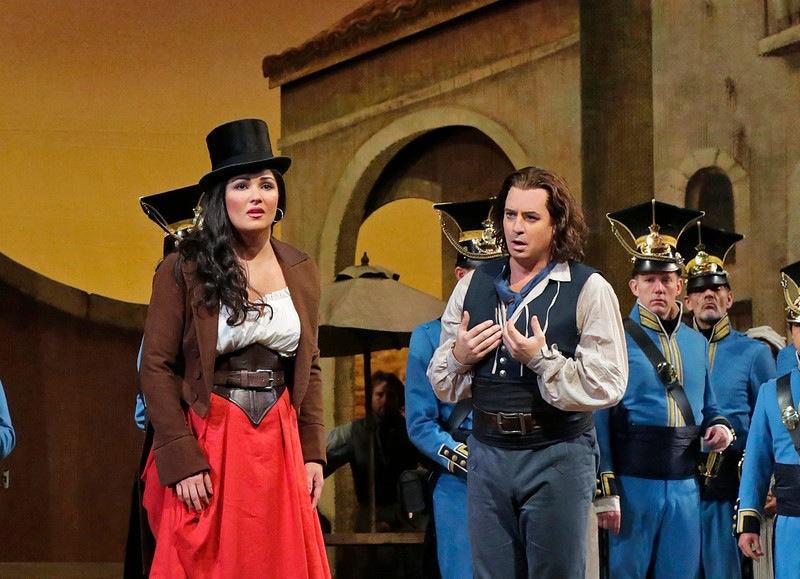
Gritty, but perfumed, Clémentine Margaine balance crude manners with beguiling charm. Watching her sent my mind into vacillations of resolve as to who she really was: a woman who looked attractive at first glance, but on further inspection was nothing more than a broad wearing lipstick and eyeliner. There was a hardness about her ─ an earthiness ─ that befit the role of the tempestuous gypsy well. This baseness was especially noticeable when compared to the sweet and singular Micaëla, played by Polish soprano, Aleksandra Kurzak, who also happens to be the real life wife of Roberto Alagna, the opera’s Don José !

Aleksandra Kurzak as Micaëla and Roberto Alagna as Don José in Carmen / Metropolitan Opera

While the songs were as exciting as I hoped they would be, I wouldn’t say that Carmen ranks as one of my favorite operas. It’s too long for a story that feels humdrum and predictable. From a personal standpoint, Bizet’s earlier work, Les Pêcheurs de Perles, was much more intriguing in terms of plot and outcome. Nevertheless, I was happy to be able to check Carmen off my list of must-see operas.

A scene from Carmen / Metropolitan Opera

Just as the singer who plays Carmen often relishes the chance to live vicariously through the role, so I also wanted to step into the clicking heels of a Spanish gypsy through my portrayal. Although Richard Eyre’s production is set in Seville during the 1930’s, I felt many of the costumes seemed pertinent to the present day and so I decided to model my look after the dancing ensemble worn by Carmen in Act II.

A scene from Act II of Carmen / Metropolitan Opera

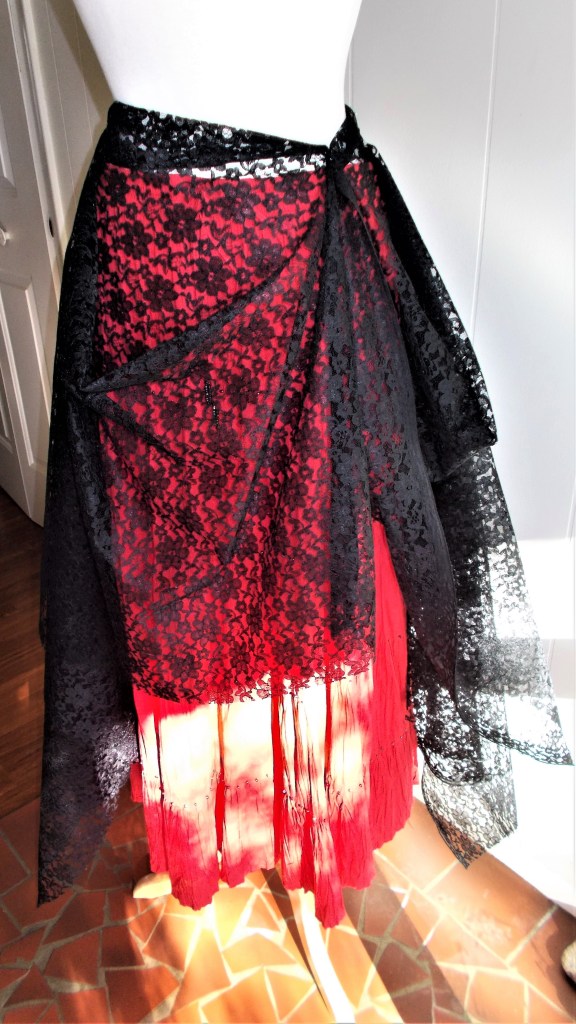
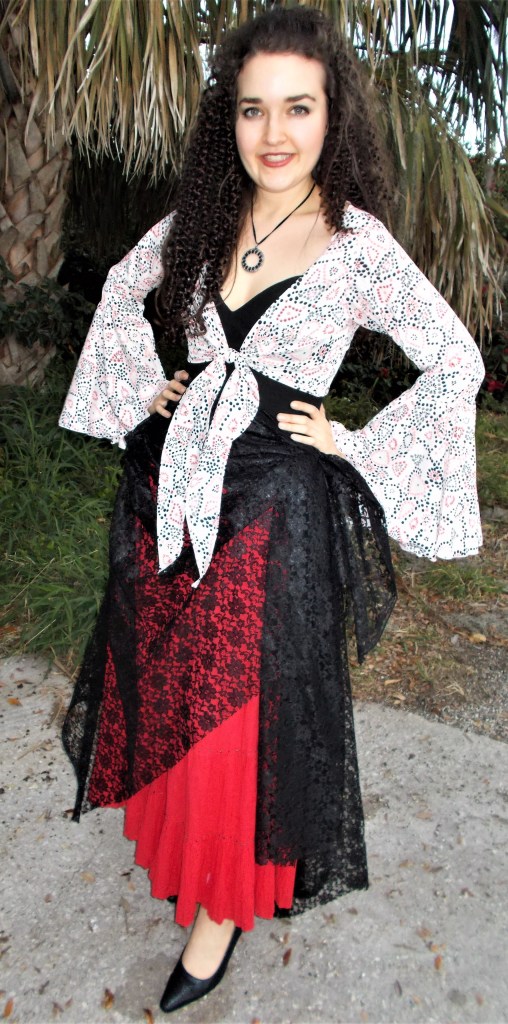
A voluminous bell sleeve blouse and lace skirt swings in time to the rousing Gypsy Song while a black corset exemplifies Carmen’s signature seduction. Planning my version of the outfit was easy, especially when I thought of the coral colored crinkle skirt in my mother’s closet that would be perfect for the part. Marking the tiers with rows of beads, it was destined for bohemian couture. Two yards of Raschel lace, which I bought for a bargain during a Black Friday sale, were draped and pinned on the outside of the skirt like a sarong.

The lower half of the outfit complete, I moved onto the fun parts ─ the corset and the blouse !

Yes, I made a corset. It was easy with the patterns and instructions from the Corset Academy, which I use often when making structured garments. Shaping my figure, the corset was mostly hidden beneath the flouncy tie bottom blouse I sewed using the free wrap blouse pattern from Anke Herrmann’s website for Flamenco Dressmaking. Her advice and support were valuable as I altered the style slightly to suit my needs. Once I found a festive dot crepe fabric on closeout online, I was ready to sew my blouse.

Making the bell sleeves was not as difficult as I anticipated, especially using a circle skirt cutting layout. And I loved using the rolled hem setting on my BabyLock serger ! It made the edges of my bell sleeves frilly and polished.

“But what about your hair ? Is it real ?” Yes and no. Looking over past Met performance pictures, I knew I needed tightly curled locks to match that of the character’s and so I related my plight to my mother (also known as my hairstylist) whereupon she gauged that trying to curl my naturally soft and wavy hair was a futile effort. Ultimately, she suggested I find some hairpieces. Well, I did, but the entirety of that story is not fit for publication. It involved a shady shop on the wrong side of town and a man who tried to convince me that he bore an uncanny resemblance to Che Guevara. Fearful for my life ? Just a smidge.
Doing her best, my mother mingled my hair with the newly bought hairpieces to capture the Spanish vibe I was seeking.

Steeped in Sevillian style, I thoroughly delighted in playing opera’s most infamous gypsy, especially when twirling around in the theater on the way back to my seat. Olé !

Toi, Toi, Toi,

Mary Martha

Casts and Credits:

Carmen ─ Georges Bizet (1875)
Live in HD air date: February 2, 2019

Cast:
Carmen ─ Clémentine Margaine
Don José ─ Roberto Alagna
Micaëla ─ Aleksandra Kurzak
Escamillo ─ Alexander Vinogradov

Credits:
Conductor ─ Louis Langrée
Production ─ Sir Richard Eyre
Set and Costume Designer ─ Rob Howell
Lighting Designer ─ Peter Mumford
Choreographer ─ Christopher Wheeldon
Live in HD Director ─ Gary Halvorson
Host ─ Ailyn Pérez